CBN reports $276m drop in IMTOs inflows

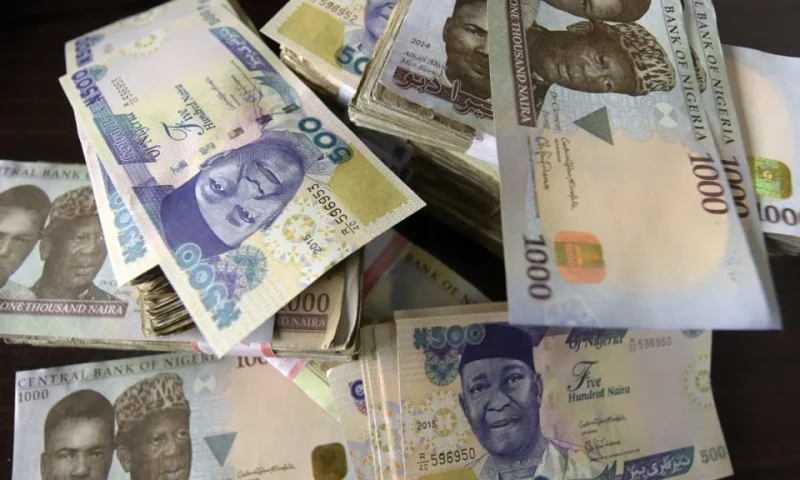
International Money Transfer Operator inflows into Nigeria fell by 11.78 per cent in the first half of 2025 compared with the same period of last year, according to new figures from the Central Bank of Nigeria’s latest Quarterly Statistical Bulletin.

An analysis of the data showed that IMTO receipts totalled $2.07bn between January and June 2025, down from $2.34bn recorded in the corresponding period of 2024. This represents a decline of about $275.93m year-on-year, showing pressure in an important non-oil foreign exchange source at a time the monetary authorities are banking on remittances to support market liquidity.

A monthly breakdown of the figures seen by our correspondent showed that the decline was uneven over the period, with only one month recording growth. In January 2025, IMTO inflows dropped to $281.97m from $390.86m in January 2024, a 27.86 per cent decline.

February receipts also weakened, declining by 11.65 per cent to $288.82m from $326.91m a year earlier. The downward trend continued in March, when inflows fell to $317.60m compared with $363.76m in March 2024, representing a 12.69 per cent decline.

However, April bucked the trend. Inflows through IMTOs rose sharply to $597.44m in April 2025 from $466.11m in April 2024, indicating a 28.18 per cent year-on-year increase. This was the strongest month in the six-month period and the only month to record positive growth.

The rebound did not last. In May 2025, inflows fell back to $288.17m from $404.75m recorded in the same month of the previous year, a 28.80 per cent drop. June also posted a decline of 25.02 per cent, with receipts slipping to $292.25m from $389.79m in June 2024.

The April spike helped to moderate the scale of the half-year fall but was not enough to offset weaker inflows across the other five months. International money transfers from Nigerians in the diaspora form a key plank of the country’s external receipts.

Remittances support household consumption, savings, investment, and foreign exchange supply. They have also become more important in recent years as the economy sought to diversify away from volatile oil earnings.

Fluctuations in the FX market, global economic conditions, and domestic purchasing power may all be playing a role in shaping remittance behaviour. While the bulletin did not provide reasons for the decline, the pattern suggests that inflows remained sensitive to both domestic and international economic headwinds.

The dip in IMTO receipts comes despite wider policy reforms aimed at stabilising the foreign exchange market and rebuilding confidence. In January 2024, the central bank removed the cap on exchange rates quoted by IMTOs, which had previously limited rates to within ±2.5 per cent of the previous day’s closing rate.

The CBN also increased the IMTO licence application fee from N500,000 in 2014 to N10m in the updated guidelines, representing a nearly 1,900 per cent increase over 10 years. Also, a minimum operating capital requirement of $1m was set for both foreign and local IMTOs.

While IMTOs were initially barred from purchasing foreign exchange from the domestic market, recent circulars indicate that this restriction has been lifted, allowing them to trade on the official market.

The CBN established a Collaborative Task Force reporting directly to CBN Governor Olayemi Cardoso, aiming to double remittance inflows by increasing competition, engaging diaspora communities, and improving transparency in FX transactions.

Also, the CBN recently granted 14 new Approval-in-Principle licences to IMTOs, as confirmed by the Bank’s Acting Director of Corporate Communications, Mrs Hakama Sidi Ali. The reforms have streamlined regulatory procedures, onboarded more IMTOs, and enhanced measures to increase the supply of foreign currencies.

However, while these steps likely contributed to the significant growth in remittance inflows in 2024, the increase has not been sustained in 2025. Although the CBN has repeatedly emphasised its commitment to attracting non-oil FX, the latest figures indicate that the remittance pipeline remains uneven.

PETROAN pushes NNPC refineries privatisation by Q1 2026

The Petroleum Products Retail Outlets Owners Association of Nigeria has renewed its call for the privatisation of Nigeria’s four state-owned refineries, urging the Federal Government to transparently conclude the process by the first quarter of 2026.

The association said the timely privatisation of the refineries operated by the Nigerian National Petroleum Company Limited would eliminate the recurring fiscal burden on the government, improve operational efficiency, attract private capital and technical expertise, and align Nigeria’s refining sector with global best practices.

In a statement, the PETROAN National President, Billy Gillis-Harry, said sustained public funding of the refineries has failed to deliver optimal results over the years, making private sector-led management inevitable if the country is to achieve energy security and stability in the downstream petroleum sector.

Gillis-Harry stressed that privatisation, if properly executed, would encourage competition, ensure sustainable refinery operations, reduce Nigeria’s dependence on imported petroleum products, conserve foreign exchange, and support job creation across the value chain.

PETROAN also linked refinery reform to broader sectoral growth, noting that increased domestic refining capacity would complement ongoing investments in upstream production and strengthen the country’s overall energy outlook.

“PETROAN renewed its call for the privatisation of Nigeria’s four state-owned refineries, advocating that the process be transparently concluded by the first quarter of 2026. The association noted that timely privatisation will improve efficiency, encourage competition in the sector, eliminate recurrent fiscal burdens on government, attract private capital and technical expertise, and ensure sustainable refinery operations in line with global best practices,” the statement said.

The association expressed confidence that the 2026 Budget, which is based on a crude oil production target of 1.84 million barrels per day and an oil price benchmark of $64–65 per barrel, provides a strong framework for implementing key reforms, including refinery privatisation.

It maintained that decisive action on refineries, alongside improved security for oil and gas infrastructure, effective host community engagement under the Petroleum Industry Act, and adequately funded regulators, would significantly enhance investor confidence and sector performance.

PETROAN further argued that the successful privatisation of the refineries would free government resources for critical areas such as security and infrastructure, while allowing the private sector to drive efficiency and innovation in refining and petrochemical development.

The association concluded that refinery privatisation remains central to achieving a stable downstream sector and maximising the benefits of Nigeria’s oil and gas resources under the 2026 budget framework.

“PETROAN expressed confidence that a well-implemented Nigeria 2026 Budget, anchored on security, host community inclusion, regulatory efficiency, private sector participation, and decisive refinery sector reforms, will strengthen the oil and gas sector, enhance national energy security, boost government revenue, and support sustainable economic development,” the statement concluded.

Calls for the privatisation of the refineries intensified following the shutdown of the 60,000-barrel-per-day Port Harcourt refinery in May this year, six months after it was declared operational.

The Warri refinery was also shut down one month after the former Group Chief Executive Officer of the NNPC, Mele Kyari, declared it open in December 2024. The Manufacturers Association of Nigeria said the refineries were a drain on the country’s economy, calling on the Federal Government to sell them off.

The PUNCH reports that the Federal Government has consistently expended resources on the Port Harcourt, Warri, and Kaduna refineries, which became moribund many years ago. It was gathered that $1.4bn was approved for the rehabilitation of the Port Harcourt refinery in 2021, $897m was earmarked for Warri, and $586m for the Kaduna refinery.

N100bn was reportedly spent on refinery rehabilitation in 2021, with N8.33bn monthly expenditure. A total of $396.33m was allegedly spent on turnaround maintenance between 2013 and 2017. Despite all the financial allocations, the refineries remain unproductive as of the time of this report.

The new GCEO of NNPC, Bayo Ojulari, rejected calls for the sale of the refineries, expressing confidence that the three plants would be revamped. When the President of the Dangote Group, Alhaji Aliko Dangote, said the government refineries might never work again, Ojulari said the plants would come back to life.

Ojulari recently said the company was assessing the operational and commercial viability of its three refineries to determine whether to overhaul or repurpose them for enhanced efficiency and profitability.

According to him, the ongoing technical and commercial review is part of a broader plan to reposition the refineries as sustainable, revenue-generating assets that can meet Nigeria’s fuel demand and align with international operational standards.

He stated that the review marks the beginning of a new era in Nigeria’s refining sector. According to Ojulari, NNPC Limited is currently in the “Technical and Commercial Review” phase, aimed at assessing the operational state of all three refineries and determining whether to upgrade or repurpose the facilities for optimal performance and long-term sustainability.

In November, the Nigeria Midstream and Downstream Petroleum Regulatory Authority said the NNPC imported a significant quantity of petrol. Marketers said this was largely due to the dormancy of the government refineries.

FG reshuffles NCAA directors amid corruption allegations

Minister of Aviation and Aerospace Development, Festus Keyamo.The Minister of Aviation and Aerospace Development, Festus Keyamo, has reshuffled critical directors in the Nigeria Civil Aviation Authority, following rumours of serious corrupt practices by key officers of the aviation regulatory agency.

The reshuffle of the senior officers may not be unconnected with allegations of inefficiency and compromised oversight in the agency’s Directorate of Airworthiness Standards.

This comes as the Nigeria Safety Investigation Board, on December 14, 2025, and December 16, 2025, respectively, issued reports indicating major aircraft incidents involving unscheduled aircraft.

According to the reports, a Hawker 800XP with eight persons on board crash-landed at the Mallam Aminu Kano International Airport, Kano, while a Cessna 172 aircraft also crashed on approach at the Sam Mbakwe International Cargo Airport, Owerri. However, none of the four persons on board the latter aircraft was hurt.

In a report by ThisDay newspaper barely a week ago, the minister confirmed awareness of the rumour against the agency and also confirmed receipt of documents in that regard. Keyamo vowed to launch an investigation into the allegations and said he would make the results of the investigation public.

Speaking with the newspaper, the minister expressed worry that since the documents had been in the public space, concerned authorities had not reacted to the allegations. He said his ministry was conducting a comprehensive investigation into the matter, insisting that, as Minister of Aviation, he could not allow anything that would threaten air safety under his watch.

Less than seven days later, the reshuffle was effected under the directive of the minister. The Directorate of Airworthiness Standards in the NCAA is a powerhouse through which the agency ensures civil aircraft are safe and meet high standards.

It oversees certification, maintenance, and ongoing compliance with International Civil Aviation Organisation rules, handles aircraft registration, issues Certificates of Airworthiness, approves Maintenance, Repair and Overhaul, develops technical standards to keep aircraft airworthy throughout their life cycle, and ensures reliability for flight operations.

However, the directorate has been in the eye of the storm, with different fingers pointing at the section over alleged irregularities. The allegations gained urgency following a series of aircraft incidents investigated by the Nigeria Safety Investigation Board.

On December 14, 2025, a Hawker 800XP aircraft, registered as 5N-ISB, crash-landed at the Mallam Aminu Kano International Airport with eight persons on board after experiencing a landing gear anomaly.

Two days later, a Cessna 172 aircraft, registered as 5N-ASR, crashed on approach to the Sam Mbakwe International Cargo Airport in Owerri. No fatalities were recorded in either incident.

Earlier accidents included the August 1, 2023, crash of a Jabiru J430 aircraft, registered as 5N-CCQ, which reportedly occurred shortly after the aircraft was issued a Special Certificate of Airworthiness. This certification was among several approvals issued without exhaustive technical scrutiny, it was learnt.

With the reshuffle, Godwin Balang, formerly Director of Aerodromes and Airspace Standards, has been redeployed to head the Directorate of Airworthiness Standards, while Alhaji Ahmad Abba, the former Director of Special Duties in the Nigerian Airspace Management Agency, was redeployed to the Directorate of Aerodromes and Airspace Standards to replace Balang.

Balang formally assumed office at his new department on Tuesday at the headquarters of the NCAA in Abuja. It was learnt that the move was an intervention measure aimed at tightening control over a department accused by insiders of regulatory laxity and procedural compromise.

Sources at the ministry, who did not want their names in print for fear of reprimand, told The PUNCH that Balang formally assumed office at his new department on Tuesday at the headquarters of the NCAA in Abuja.

A ministry source said, “The airworthiness department is where safety either stands or collapses. When leadership is changed at that level, it is rarely accidental.”

When contacted, the media aide to the minister, Tunde Moshood, said the reshuffle was for administrative effectiveness, adding that the investigation opened by the minister was still ongoing.

He said, “It has nothing to do with the complaints; sometimes you just must do some things. The investigation is still ongoing.”

Solar systems save NIPCO N44.4m annually, says JMG

JMG LimitedJMG Limited, a hybrid and integrated electromechanical energy provider, says it has successfully installed solar power systems at three major NIPCO Plc fuelling stations, delivering dependable clean energy, eliminating diesel reliance, and unlocking over N44m in annual energy cost savings.

According to a statement by JMG, the installations, located in Abuja and Lagos Lekki, feature advanced hybrid systems that combine solar arrays, lithium battery storage, and smart inverters to provide 24/7 power for fuel pumps, lighting, and office operations, saying each site has reported zero use of electricity or generator power since the systems were installed.

“We are proud to help NIPCO lead the energy transition at the retail level. The three NIPCO stations now run on an advanced hybrid solar system that combines high‑efficiency PV panels, intelligent lithium‑battery storage and smart inverters. Since commissioning, the sites have operated with zero grid or generator power, providing silent, clean, uninterrupted electricity for pumps, lighting and administration,” said the Head of JMG’s Hybrid Solar Division, Abbass Hussein.

Hussein added that this development demonstrates that fuel‑retail and other high‑energy sectors can shift to clean, cost-effective and resilient energy without sacrificing performance.

“The scalable architecture can be sized to each location and has already delivered significant savings: about 88,535 kWh/year, N44.4m in annual cost savings and a 43.8‑tonne reduction in CO₂ emissions. Collaborating with NIPCO on this initiative demonstrates a practical pathway for other firms to reduce both emissions and energy expenses,” he said.

Completed between May and June 2025, the project, it was said, incorporates high-efficiency solar panels, premium hybrid inverters, and scalable lithium battery banks designed to provide stable and uninterrupted power for fuel dispensing, LPG systems, lighting, and office operations.

According to Mr Idoko Jacob, who is NIPCO’s Station Manager at Gwagwalada, “The stations have not relied on electricity or generator power on bright-weather days since commissioning. The solar systems fully meet our daily energy needs during such periods. On days with poor weather, we supplement the solar system with generator power to ensure uninterrupted operations.”

The solar systems across the three stations in Gwagwalada, Mpape and Lekki have delivered substantial benefits, generating a total of 88,535 kWh per year, saving N44.4m annually, avoiding 43.8 tonnes of CO₂ emissions, and covering 80–100 per cent of daily energy demand with hybrid solar systems backed by lithium batteries.

“These systems allow NIPCO stations to operate independently of the grid for most of the day, with batteries absorbing excess solar production and smart inverters managing seamless transitions. Generator use has been reduced to near zero, only occasionally supporting loads during extended cloudy weather,” the report added.

NNPC, 12 others fail ICPC integrity test

NNPC LimitedThe Nigerian National Petroleum Company Limited and 12 other ministries, departments, and agencies of the Federal Government recorded zero in the Ethics and Integrity Compliance Scorecard of the Independent Corrupt Practices and Other Related Offences Commission.

According to a publication by the ICPC on Wednesday, of the 357 MDAs screened, the NNPC ranks last, scoring zero across all four key pillar indicators.

However, the Nigerian Upstream Petroleum Regulatory Commission was the highest-rated agency, scoring 91.83. The Nigerian Midstream and Downstream Petroleum Regulatory Commission was 278 on the list with a score of 38.25.

According to the ICPC, the Ethics and Integrity Compliance Scorecard was conceived as a diagnostic and accountability tool to strengthen transparency, ethical conduct, and institutional resilience within Nigeria’s public sector.

The scorecard, it said, has evolved into a vital benchmark for measuring compliance across four key pillar indicators of Management Culture and Structure, Financial Management Systems, Administrative Systems, and the Anti-corruption and Transparency Unit, which collectively capture the critical dimensions of ethics and governance within the public service.

For the 2025 assessment year, it was said that the EICS was deployed across 360 target MDAs of the Federal Government. Out of this number, three MDAs were exempted from the exercise, leaving a total of 357 MDAs effectively assessed.

Earlier, while presenting the scorecard on Tuesday, the ICPC Chairman, Dr Aliyu Musa, who was represented by the Director of the Systems Study and Review Department, Mr Olusegun Adigun, said the assessment exposed widespread weaknesses in ethical standards and institutional integrity across government agencies.

According to him, of the MDAs assessed, only 48 (13.95 per cent) recorded substantial compliance, 132 MDAs (38.37 per cent) achieved partial compliance, while 141 MDAs (40.99 per cent) showed poor compliance. 23 MDAs (6.69 per cent) were classified as non-compliant.

“No MDA achieved full compliance,” Adigun said, adding that 13 MDAs out of the 357 deployed for assessment were non-responsive and consequently classified as high-risk institutions.

The Wednesday advertorial showed that the NNPC tops the list of those 13 MDAs classified as high-risk.

Others are the Institute of Archaeology and Museum Studies, Jos; the Federal Civil Service Commission, Abuja; the National Centre for the Control of Small Arms and Light Weapons, Abuja; the Federal Medical Centre, Hong, Adamawa State; the University of Calabar; the Cross River Basin Development Authority, Calabar; and the Federal College of Education, Obudu, Cross River.

It further listed the Federal College of Medical Laboratory Science and Technology, Benue; the National Metallurgical Development Centre, Jos, Plateau State; the National Root Crops Research Institute, Umudike, Abia State; the Lower Niger River Basin Development Authority, Ilorin, Kwara State; and the Federal Polytechnic, Ede, Osun State.

The top-compliant MDAs are NUPRC, the Nigeria Deposit Insurance Commission, the Asset Management Corporation of Nigeria, the Bank of Industry, and others.

The ICPC stated that it will continue administering EICS to MDAs. It also threatened to profile MDAs with consistently low scores of non-compliance.

“This is to ensure and encourage MDAs’ compliance with government statutes, policies, and directives to promote integrity, accountability, efficiency, and productivity in government business. However, MDAs with consistently low scores of non-compliance and no responsive status will be subjected to profiling through system studies and appropriate enforcement actions,” the ICPC stated.

The NNPC spokesman, Andy Odeh, could not be reached as of the time of filing this report. Odeh did not answer calls to his phone, nor did he reply to messages sent to him.

Fidelity Bank donates to Ikoyi fire service station

Fidelity Bank logoFidelity Bank Plc has donated essential firefighting and preventive equipment, including hoses and gasoline water pumps, to the Ikoyi Fire Service Station in Lagos.

In a statement on Monday, it was revealed that the donation was made under the Fidelity Helping Hands Programme by the True Serve team, reaffirming the bank’s commitment to the environment and community safety.

Through the FHHP, members of staff identify areas of critical community needs, raise funds, and then receive matching monetary support from the bank to execute the projects.

Commenting on the reason behind the donation, Divisional Head, Brand and Communications Division, Fidelity Bank Plc, Dr Meksley Nwagboh, emphasised that the donation reflected the bank’s dedication to strengthening emergency response capabilities and promoting public safety within the communities it serves.

“Fidelity Bank remains committed to supporting initiatives that contribute to the protection of our environment, lives and property. We see community safety as a shared responsibility and continuously extend support to both corporate bodies and individuals.

“We believe that preventive measures are far more effective than reactionary responses. This donation is part of our efforts to drive sustainable practices by providing the necessary tools. Our goal is to ensure that people live meaningful, safe, and empowered lives,” he said.

In her comments, Lagos State Controller, Federal Fire Service and Controller of Fire, Funke Adebayo, commended Fidelity Bank for the timely support, while cautioning residents to exercise heightened vigilance during the festive period, especially with the dry weather conditions.

“We appreciate Fidelity Bank for this timely donation. We are in a harsh weather period where fire incidents can escalate quickly. Parents must educate and caution children against the use of fireworks during celebrations. Fire should never be treated carelessly,” Adebayo said.

She noted that the Fire Service has embarked on sensitisation visits to various corporate organisations, warning against unsafe practices that could lead to preventable fire outbreaks.

On his part, Area Commander of the Onikan Fire Station and Chief Superintendent of Fire, Michael Oswere, expressed appreciation to Fidelity Bank for supporting their operations. He encouraged families, business owners, and community members to prioritise fire safety at all times.

“Everyone has a role to play in preventing fire incidents at home and in the workplace. This support from Fidelity Bank will go a long way in enhancing our capacity to protect the community,” CSF Oswere added.

Fidelity Bank Plc is a full-fledged commercial deposit money bank serving over 9.1 million customers through digital banking channels, its 255 business offices in Nigeria and its United Kingdom subsidiary, FidBank UK Limited.

Crude oil price rises on US data, geopolitical tension

Oil rises for sixth session on US data, geopolitical tensionCrude Oil oil prices rose for a sixth day on Wednesday, supported by robust U.S. economic growth and the risk of supply disruptions from Venezuela and Russia, though prices were on course for their steepest annual decline since 2020.

Brent crude futures were up 13 cents, or 0.2%, to $62.51 a barrel, while U.S. West Texas Intermediate crude was up 22 cents, or 0.4%, at $58.60. Both contracts have gained about 6% since December 16, when they plunged to near five-year lows.

“What we’ve seen over the past week is a combination of position squaring in thin markets, after last week’s breakdown failed to gain traction, coupled with heightened geopolitical tensions, including the U.S. blockade on Venezuela and supported by last night’s robust GDP data,” IG analyst Tony Sycamore said.

U. S. data showed the world’s largest economy grew at its fastest pace in two years in the third quarter, fueled by robust consumer spending and a sharp rebound in exports.

Still, Brent and WTI prices are on track to drop about 16% and 18%, respectively, this year – their steepest declines since 2020 when the COVID pandemic hit oil demand – as supply is expected to outpace demand next year.

On the supply side, disruptions to Venezuelan exports have been the most significant factor pushing up oil prices, while Russia’s and Ukraine’s continued attacks on each other’s energy infrastructure have also supported the market, Haitong Futures said in a report.

More than a dozen loaded vessels are in Venezuela waiting for new directions from their owners after the U.S. seized the supertanker Skipper earlier this month and targeted two additional vessels over the weekend.

Additionally, oil shipments from Kazakhstan via the Caspian Pipeline Consortium are set to drop by a third in December to the lowest since October 2024 after a Ukrainian drone attack damaged facilities at the main CPC export terminal, two market sources said on Wednesday.

U.S. crude inventories rose by 2.39 million barrels last week, while gasoline stocks increased by 1.09 million barrels and distillate inventories rose by 685,000 barrels, market sources said, citing American Petroleum Institute figures on Tuesday.

Dangote alone can’t meet Nigeria’s fuel demands, marketers insist

DANGOTE REFINERYMajor oil marketers have insisted that the Dangote Petroleum Refinery, despite recent sharp price reductions and growing domestic output, cannot on its own meet Nigeria’s petrol supply requirements, warning that dependence on a single source is already creating issues across the downstream market.

The Executive Secretary of the Major Energies Marketers Association of Nigeria, Mr Clement Isong, said this while responding to questions on the impact of Dangote refinery’s recent gantry price cuts from about N828 per litre to N699 per litre, which have driven pump prices down to around N739 per litre at many MRS filling stations.

Isong said all MEMAN members currently purchase petrol from the Dangote refinery but stressed that supply constraints, logistics challenges, and timing issues make it impractical for the refinery to be Nigeria’s sole source of supply.

Isong said the Nigerian Midstream and Downstream Petroleum Regulatory Authority planned well for the Yuletide season by granting licences for importation.

“So many of my members, all my members, buy from the Dangote refinery. They all buy from him; it’s just that if everybody in Nigeria is buying from him, then from time to time he’s unable to meet their needs – what they want, when they want it, and how they want it – then they have to find alternatives.

So some of them import, and some of them buy from those who import,” he said.

He explained that marketers’ supply needs vary widely, noting that reliance on a single refinery operating from one location naturally creates bottlenecks.

“It’s almost impossible for a single (petrol) source to be able to meet people’s needs when they want it, how they want it, when they want it. Sometimes they want it by boat in certain quantities; sometimes they want it by loading gantry in certain quantities. You go and line up with other people there. The circumstances of buying from a single source or a single location naturally make it very difficult to be able to meet all your needs,” he added.

According to him, the supply challenges have already led to dry filling stations among some major marketers, despite the general availability of petrol in the country.

“I was looking at some of my member stations I went to today (Monday); some stations are dry because of the challenges they are facing with the supply situation. But they all buy from Dangote. They all buy from him when they can and how they can. So, my members have some stations that are dry,” Isong told our correspondent.

Asked if the stations became dry because they could not get sufficient stocks from the $20bn refinery or from importers, he replied, ”No, it just depends on the situation. It’s quite chaotic right now. So if you get it wrong, if you depend on a single source, you need to go and buy from somebody else.

“They will go and buy from other people. Some of them import, but if they’re not importing and you were unable to get from Dangote yesterday, the situation will be dry, unless you go and buy from an importer or somebody else who bought from Dangote, that is, from a third party. And that will come at a premium. It’s not so easy to supply your stations right now with the current situation we find ourselves in.”

Having described the current market situation as chaotic, he noted that pricing volatility has made supply planning extremely difficult for marketers.

Despite reports of dry stations in some locations, the MEMAN executive dismissed fears of an impending fuel scarcity, insisting that Nigeria currently has excess petrol in the system. He added that more petrol is coming into the country.

He explained that many marketers are deliberately avoiding large-volume purchases because of the risk of sudden price crashes, which can wipe out margins.

“There’s a glut. There are excess products in the country. And there will continue to be imported products coming in. The authority planned well for the season; it is true that there are products everywhere. It’s just that you need to be able to buy at a good price for your station. But there are excess products in the system.

“But people are being careful because of the price. Nobody buys in large volumes. So, you know, there’s an advantage to volume purchase, to bulk purchase. The bigger you buy, the lower your unit cost. But if you buy in bulk now and the price crashes, then the bigger the amount of money you lose,” he warned.

According to him, losses are being recorded across the value chain, including by the Dangote refinery. “Everybody is losing money. Even the producer himself has confirmed it. You heard him say that he is losing money,” Isong submitted.

Last week, the Dangote refinery shocked depot owners and marketers when it slashed the gantry price of petrol by N129, from N828 to N699 per litre. During a recent press briefing, the President of the Dangote Group, Aliko Dangote, said he had information that some marketers planned to keep pump prices high despite the reduction in the gantry price.

Consequently, Dangote vowed to enforce the new price regime, with MRS selling petrol at N739 from last week Tuesday. The PUNCH reports that as more MRS filling stations in Lagos and Ogun states join in dispensing the Premium Motor Spirit (petrol) produced by the Dangote Petroleum Refinery at N739 per litre, motorists have started boycotting retail outlets that sell the product at higher prices.

This has compelled other stations to lower their petrol prices by about N100 per litre, an amount that is far below their cost of purchase, indicating the severity of the price war in the downstream oil sector.

Speaking with our correspondent, the spokesperson of the Independent Petroleum Marketers Association of Nigeria, Chinedu Ukadike, stated that any marketers who refuse to reduce prices would lose their customers, saying price determines patronage.

“We are in a situation where competition can be determined by price. Patronage will be determined by pricing. Nobody is against you; nobody is regulating you. You will regulate yourself. The market will regulate itself. The time has gone when people were queuing at NNPC filling stations. Wherever the fuel is cheap, that is where the marketers go. So, we are in a price war. Demand and supply determine the price.

“Once Dangote has reduced the gantry price to N699, marketers will dive towards competitive pricing whereby they can retain their numerous customers; if not, interest from banks would be ‘eating’ your capital,” Ukadike said.

He announced that the association has entered into a partnership with the Dangote refinery. “We have formed a partnership already because Dangote has invited IPMAN for the first time. The major marketers have failed Dangote. He has now realised that only the independent marketers are the strategic partners that can evacuate his petroleum products as quickly as possible. He said IPMAN should come and pick up the products. He said it clearly. And since that time, we have provided tremendous patronage,” Ukadike disclosed.

Meanwhile, the Dangote refinery recently said it has the capacity to supply the daily petrol needs of Nigeria. President of the Dangote Group, Aliko Dangote, said the refinery currently supplies 50 million litres into the local market daily. He accused the NMDPRA of issuing “reckless” licences when his tanks were full.

Officials of the plant backed their boss, insisting that the refinery has the capacity to meet local fuel demand nationwide.

Seplat completes onshore assets conversion

Seplat Energy PlcSeplat Energy Plc has completed the conversion of its operated onshore assets to the Petroleum Industry Act fiscal regime, replacing the former Petroleum Profit Tax framework, in a move expected to support improved profitability and operational efficiency.

The company disclosed in a notice filed on the Nigerian Exchange Limited on Tuesday that its subsidiaries, Seplat West Limited and Seplat East Onshore Limited, concluded the conversion process after fulfilling all technical and regulatory requirements with the Nigerian Upstream Petroleum Regulatory Commission. The assets involved were previously held under Oil Mining Leases 4, 38, 41 and 53.

“The conversion relates to assets formerly held under OML’s 4, 38 & 41 and 53, which in the first nine months of 2025, averaged working interest production of 42,591 boepd, representing approximately 31% of the Company’s Total production.”

Seplat said the converted onshore assets recorded average working interest production of 42,591 barrels of oil equivalent per day in the first nine months of 2025, accounting for about 31 per cent of the company’s total production during the period.

With the issuance of new Petroleum Mining Lease and Petroleum Prospecting Licence numbers, operations under the Petroleum Industry Act are expected to commence from 1 January 2026, subject to regulatory guidance.

“Following the execution of the Conversion Contracts in February 2023 in compliance with the PIA, Seplat and its Joint Venture partners have now completed all technical and regulatory requirements with the Nigerian Upstream Petroleum Regulatory Commission. New Petroleum Mining Lease and Petroleum Prospecting License numbers have now been issued, and subject to the regulatory guidance, operations under the PIA are expected to commence from 1 January 2026,” the statement read.

The company noted that the conversion aligns with its strategy of driving increased investment, production growth and improved operational efficiency. The anticipated impact of the new fiscal regime was already incorporated into Seplat’s medium-term guidance presented at its Capital Markets Day in September 2025.

Commenting on the development, Seplat’s Chief Executive Officer, Roger Brown, said the conversion of the onshore assets was delivered within the timeline earlier communicated to investors. He added that the new fiscal framework presents enhanced value creation opportunities and lays the foundation for improved profitability and cash flow margins in the company’s onshore business.

Seplat also reiterated its plan to complete the conversion of its offshore assets to the Petroleum Industry Act fiscal regime by 2027.

CBN woos global investors with reforms

Governor of the Central Bank of Nigeria, Olayemi CardosoThe Central Bank of Nigeria has taken its drive to attract increased capital inflows to the global stage, as the apex bank intensifies efforts to reposition the economy for stability and long-term growth. Under the leadership of Governor Olayemi Cardoso, the CBN is pursuing deliberate strategies aimed at restoring discipline, strengthening confidence and creating sustainable investment opportunities for both domestic and international investors.

At a recent engagement in Washington, D.C., Cardoso reassured global investors of Nigeria’s renewed commitment to macroeconomic stability, transparent markets and predictable policy direction. The message was clear: as investor confidence improves, the economy stands to benefit from stronger capital inflows, improved exchange rate stability and increased foreign reserves, all of which are critical to sustainable economic growth.

In the global marketplace, outcomes are rarely accidental. Success in attracting capital and achieving economic development is typically the result of long-term planning, clarity of purpose, and transparent engagement with investors. These were the core themes Cardoso conveyed to international investors at the just-concluded US–Nigeria Executive Business Roundtable in Washington, D.C.

At the forum, the CBN governor presented a confident, reform-oriented narrative of Nigeria’s economy, anchored on rules-based management, institutional credibility, and a willingness to make difficult but necessary policy choices. The engagement, convened by the US Chamber of Commerce’s US-Africa Business Centre, brought together senior US corporate executives, institutional investors, and policy influencers at a pivotal moment in Nigeria’s ongoing economic reset.

The high-level meeting was designed to strengthen commercial ties between the two countries and attract long-term capital into the Nigerian economy. For Cardoso, sustainable growth cannot be achieved without credibility. He reaffirmed Nigeria’s firm commitment to macroeconomic stability and predictable policy frameworks, stressing that the country is pursuing reforms anchored on transparency and discipline.

Addressing participants, according to information sourced from the bank, Cardoso told international investors that Nigeria remains committed to rules-based economic management, transparent markets, and consistent policies. He explained that the ongoing reforms are deliberately structured to rebuild confidence and provide clarity and certainty for investors navigating an increasingly volatile global environment.

According to him, the authorities are focused on laying a stable macroeconomic foundation capable of supporting sustainable, private sector–led growth. He noted that reforms in the foreign exchange market have been central to improving transparency and price discovery, while the adoption of orthodox monetary policy is helping to anchor expectations and manage macroeconomic risks.

Cardoso also highlighted the modernisation of Nigeria’s payment systems as a critical part of the country’s investment proposition. He noted that an efficient, secure, and inclusive payment infrastructure is essential for business expansion, innovation, and financial inclusion, all of which are key drivers of long-term growth.

The US–Nigeria Executive Business Roundtable brought together American and Nigerian corporate leaders, institutional investors, and policymakers to discuss Nigeria’s macroeconomic stabilisation efforts, regulatory clarity, and opportunities to scale bankable projects across priority sectors. Discussions focused on unlocking investments in infrastructure, energy, financial services, agriculture, and technology, while addressing investor concerns around policy consistency and the broader investment climate.

Reacting to the discussions, President of the US-Africa Business Centre at the US Chamber of Commerce, Ms Kendra Gaither, said global investors are increasingly drawn to markets that demonstrate discipline and credibility.

“What investors are responding to today is clarity, clear rules, credible reforms, and a seriousness of purpose. Nigeria’s message is increasingly one of discipline and opportunity, and that matters in a global economy actively seeking stability and predictability,” Gaither said.

Reforms take-off point

The CBN has embarked on a series of far-reaching reforms aimed at attracting foreign capital, achieving price stability, and stabilising the exchange rate. In 2023, the new administration, working with the apex bank, liberalised the foreign exchange market, ended central bank financing of fiscal deficits, and reformed fuel subsidies. These measures were complemented by efforts to strengthen revenue collection and tackle surging inflation.

Since the implementation of these reforms, Nigeria’s international reserves have grown, while access to foreign exchange through official channels has improved. The country also successfully returned to the international capital markets last December and has since received upgrades from rating agencies. In addition, a new domestic, privately owned refinery has begun repositioning Nigeria higher up the value chain within a fully deregulated downstream market.

CBN policies, including currency reforms, have helped attract investment inflows and reduced the need for heavy intervention in the domestic foreign exchange market. The unification of exchange rates and the clearance of over $7bn in foreign exchange backlogs have improved Nigeria’s investment outlook, with multilateral institutions such as the World Bank describing the measures as bold steps toward long-term economic sustainability.

Nigeria’s sovereign risk spread has also declined to its lowest level since January 2020, erasing the premium accumulated during the pandemic and subsequent economic strains. These developments reflect deliberate efforts by policymakers to restore confidence and sustain capital inflows into the economy.

As part of efforts to tame inflation and strengthen policy coordination, the CBN recently hosted the Monetary Policy Forum 2025, bringing together fiscal authorities, lawmakers, private sector representatives, development partners, experts, and academics. The forum, themed “Managing the Disinflation Process,” was aimed at improving monetary policy communication, fostering dialogue, and enhancing collaboration on key policy challenges.

At the forum, Cardoso said the apex bank’s priority is to sustain price stability, pursue a planned transition to an inflation-targeting framework, and implement strategies to restore purchasing power and ease economic hardship. He reaffirmed the CBN’s disciplined approach to monetary policy, noting that the goal is to ensure policy remains forward-looking, adaptive, and resilient.

“Managing disinflation amidst persistent shocks requires not only robust policies but also coordination between fiscal and monetary authorities to anchor expectations and maintain investor confidence. Our focus must remain on price stability, the planned transition to an inflation-targeting framework, and strategies to restore purchasing power and ease economic hardship,” Cardoso said.

The CBN has also moved to strengthen the banking sector by introducing new minimum capital requirements for banks, effective March 2026. The measure is designed to enhance resilience and position Nigeria’s banking industry to support the country’s ambition of building a $1tn economy. According to the apex bank, these reforms underscore its commitment to creating an enabling environment for inclusive and sustainable economic development.

However, Cardoso cautioned that achieving macroeconomic stability requires continuous vigilance and a proactive monetary policy stance. “As we shift from unorthodox to orthodox monetary policy, the CBN remains committed to restoring confidence, strengthening policy credibility, and remaining focused on its core mandate of price stability,” he said.

He added that a recent easing of monetary policy became necessary following a review of macroeconomic conditions. According to him, the Monetary Policy Committee’s decision to ease the policy stance was informed by improving inflation trends.

“The committee’s decision to lower the monetary policy rate was predicated on the sustained disinflation recorded in the past five months, projections of declining inflation for the rest of 2025, and the need to support economic recovery efforts,” Cardoso explained.


Investors’ interest

Global investors are increasingly showing interest in Nigerian assets as the impact of CBN reforms spreads across key sectors of the economy. This renewed appetite was evident in Nigeria’s recent return to the international debt market, with the successful issuance of a $2.25bn dual-tranche Eurobond.

The Eurobonds, maturing in 2036 and 2046, recorded the largest order book ever achieved by the country, underscoring strong investor confidence in Nigeria’s macroeconomic policies and fiscal management.

The 10-year, $1.25bn bond maturing in 2036 was priced at a coupon of 8.6308 per cent, while the 20-year, $1.10bn note due in 2046 carried a coupon of 9.1297 per cent.

According to the Debt Management Office, the transaction attracted orders exceeding $13bn, reflecting broad-based demand from investors across the United Kingdom, North America, Europe, Asia, and the Middle East.

Minister of Finance and Coordinating Minister of the Economy, Mr Wale Edun, said the record subscription demonstrated global confidence in Nigeria’s macroeconomic outlook.

“This successful market access demonstrates the international community’s continued confidence in Nigeria’s reform trajectory and our commitment to sustainable, inclusive growth,” Edun said.

Director-General of the DMO, Patience Oniha, noted that the issuance attracted strong demand from a diverse mix of fund managers, insurance and pension funds, hedge funds, banks, and other financial institutions, highlighting Nigeria’s broad investor base across regions and asset classes.

“Nigeria’s ability to access the Eurobond market to raise long-term funding needed to support the growth agenda of President Tinubu is a major achievement for Nigeria and is consistent with the DMO’s objectives of supporting development and diversifying funding sources,” Oniha said.

Even before the Eurobond issuance, Nigeria’s investment profile had improved, drawing positive assessments from global analysts. Emre Akcakmak, portfolio manager at East Capital, said Nigeria appears to be regaining momentum as long-awaited economic reforms take hold.

Key measures, he noted, include improved currency liquidity, greater flexibility for investors to repatriate profits, and a more stable naira. “We feel the Central Bank of Nigeria will continue to stem any sharp appreciation of the naira to limit profit-taking from the fast-money community,” Akcakmak said.

Samir Gadio, head of Africa strategy at Standard Chartered Plc, also highlighted improving investor sentiment. “Portfolio inflows have likely been supported by improved confidence amid key structural reforms, better FX market functioning and moderating dollar-naira volatility, as well as the still-robust nominal yield buffer,” Gadio told Bloomberg. He added that Nigeria’s local market is viewed as less correlated with global risk conditions than more liquid emerging market peers.

Positive market reactions

Following the Eurobond issuance, the naira appreciated, while Nigeria’s external reserves climbed to a seven-year high of $46.07bn. The last time reserves were at a comparable level was August 24, 2018, when they stood at $46.09bn. The naira has also shown signs of stabilisation across different market segments.

In an emailed note to investors, Head of Investment Research at Comercio Partners Limited, Dr. Ifeanyi Uba, said investor appetite for Nigerian assets has been supported by ongoing reforms, including fuel subsidy removal and naira devaluation. He noted that while these measures have been economically painful, they have improved fiscal transparency and boosted market confidence.

“With emerging market governments issuing nearly $240bn in debt so far this year, surpassing even pandemic-era levels, Nigeria’s return underscores both the renewed investor hunt for yield and a sign that African frontier economies may once again diversify funding sources amid more favourable global conditions,” Uba said.

Analysts at Comercio Partners described the Eurobond issuance as a strong reaffirmation of investor confidence despite heightened global geopolitical tensions. They noted that while the inflows will bolster reserves, provide fiscal breathing room, and strengthen Nigeria’s ability to meet short-term obligations, the increased exposure to foreign currency debt also raises foreign exchange risks and interest burdens.

They added that as the CBN continues efforts to unify the FX market and clear outstanding backlogs—measures that have temporarily restored confidence—maintaining currency stability will be critical to sustaining recent gains.

Adebowale Funmi, head of research at Parthian Securities, said the Eurobond oversubscription of more than 400 per cent reflects strong investor confidence in Nigeria’s economic outlook. He attributed the renewed optimism to ongoing reforms and Nigeria’s recent removal from the Financial Action Task Force grey list, developments that have significantly improved the country’s credibility and perception in global markets.