NDIC steps up debt recovery from failed banks

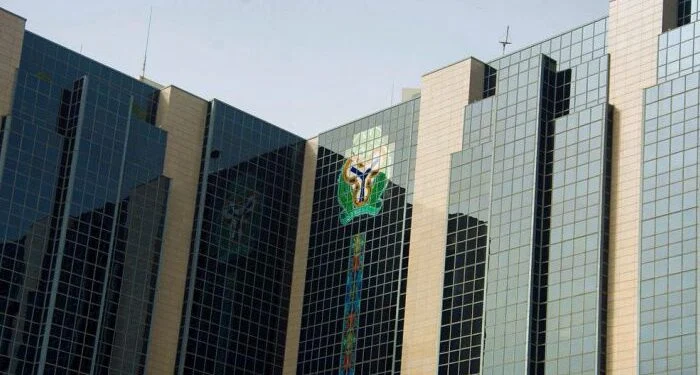
NDICThe Nigeria Deposit Insurance Corporation has vowed to fully use its enhanced enforcement powers granted by the NDIC Act 2023 to recover outstanding loans from debtors of failed banks.

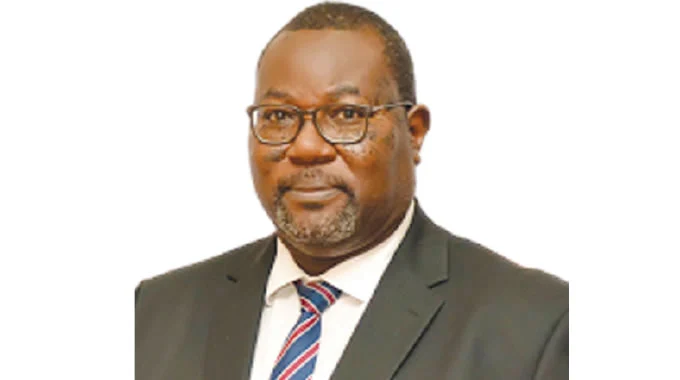
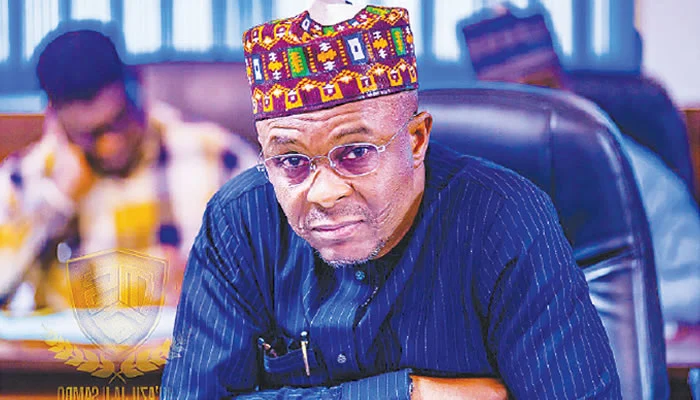
This was disclosed by the Managing Director and Chief Executive of the NDIC, Mr Thompson Oludare, at a sensitisation seminar for Debt Recovery Agents in Lagos under the theme ‘Operationalising the Provisions of NDIC Act 2023 for Effective Debt Recovery’.

The NDIC Act 2023 empowers the corporation to take interim custody of any movable or immovable property of an obligor identified as the bona fide owner of the said property. The same act empowers the NDIC to freeze the funds of an obligor of a failed insured institution with any insured institution.

Oludare, who was represented by the Director of the Legal Department, Olufemi Kushimo, warned that the culture of loan defaults and protracted litigation used by debtors to stall payments would no longer be tolerated.

“We intend to utilise every section, provision, and enforcement mechanism available under the law. Those responsible for bank failures must be held accountable. We are prepared to apply every relevant provision of the Act to bring culpable parties to justice,” he said.

The new tools are designed to bypass the traditional hurdles of repeated court adjournments and “entrenched cultures of default” that have historically slowed down the liquidation of failed banks and mobile money operators.

The core objective of this aggressive recovery push is the prompt payment of liquidation dividends to depositors.

According to the Corporation, successful debt recovery is the only way to restore public confidence in the banking system

The Director of the Asset Management Department, Patricia Okosun, noted that while legal realities make it difficult to set a fixed timeline for all payments, the corporation is now better equipped than ever before.

“The essence of this engagement is to sensitise our agents to the new provisions that will support and improve their work,” Okosun said. “The earlier the recovery, the better, as it enables quicker reimbursement of depositors.”

Beyond just collecting money, the NDIC signalled that the 2023 Act serves as a deterrent. By pursuing “parties at fault”, the corporation aims to sanitise the banking industry and ensure that the consequences of bank failures are felt by those who caused them, rather than just the depositors.


Elumelu urges public-private synergy to boost African agribusiness

Tony ElumeluThe Chairman of Heirs Holdings, Tony Elumelu, has urged African governments to partner with the private sector to transform rural economies.

He made the call at the 49th IFAD Governing Council in Rome, according to a statement made available to The on Wednesday.

Elumelu identified electricity access, blended finance, and business education as the three pillars necessary to make agriculture a viable career for Africa’s youth.

Elumelu, who joined IFAD President Alvaro Lario on a panel at an event attended by 500 global leaders, including ministers, UN officials, and development experts, said: “We believe that increased collaboration and cooperation between government and the private sector, especially in Africa, are vital to catalyse more transformation in rural economies and agriculture, increasing food production. Food security is fundamental to societal development. We must work together to make rural economies more attractive. We need to make agriculture appealing and exciting. The youth seem eager to embrace it, but they require more support from all of us.”

Highlighting the success of the Tony Elumelu Foundation, he noted that 21 per cent of its 24,000 empowered entrepreneurs are in agribusiness, a sector where women lead 55 per cent of the ventures.

“Empowering women is akin to empowering entire communities and nations, leading to success,” he said. “These ventures have generated approximately 480,000 jobs across the continent.”

Elumelu emphasised that while seed capital is vital, “energy poverty” remains a massive barrier to the digital innovation required for modern food security, saying, “Access to electricity is essential for economic development and transformation. We cannot discuss AI without improving electricity supplies. Poor electricity access and energy poverty limit how much these young people can embrace technology.”

He urged governments to dismantle stifling regulations and high collateral requirements that currently hinder SME growth.

“In some countries, regulated environments…can be quite stifling. We need to engage governments…what benefits small-scale enterprises benefits the entire economy: jobs are created by SMEs, and we must ensure youth engagement,” he affirmed.

FG pledges extra funding to launch Africa Energy Bank

Heineken LokpobiriThe Federal Government has said it is ready to provide additional funding to the Africa Energy Bank to ensure its takeoff, following delays by some African countries in meeting their capital subscription commitments.

The Minister of State for Petroleum Resources (Oil), Heineken Lokpobiri, disclosed this on Tuesday at the 2026 Sub-Saharan Africa International Petroleum Exhibition and Conference in Lagos.

Despite Nigeria already contributing 70 per cent of the bank’s capital, Lokpobiri said the country is prepared to cover the remaining funding gap should other African nations fail to fulfil their obligations.

In 2024, President Bola Tinubu approved a $100m investment for a class A share in the bank, positioning Nigeria favourably to host the multilateral $5bn Africa Energy Bank, which will finance energy projects across the continent.

“Africa’s problem, largely, is access to capital. That’s why the African Petroleum Producers Organisation came up with the idea of an African energy bank,” Lokpobiri said.

He noted that Nigeria had earned the trust of other African nations to host the bank’s headquarters and had fulfilled all its responsibilities as the host country. The headquarters was handed over to the African Petroleum Producers Organisation and Afrexim Bank in Abuja last week.

“We’ve handed the headquarters over to them, and we have given them a timeline within which the bank has to be launched. Nigeria, as the host country, has obligations, and we have met all obligations,” he said.

The minister added that during a meeting with African counterparts in Abuja on Monday, Nigeria offered to raise the remaining balance of the minimum capital if delays persisted.

“When my colleagues in Africa came to Abuja, and we had a meeting on Monday, I told them that if they are going to delay raising the balance of the minimum capital needed, Nigeria will raise it so the bank can take off, and they were very excited,” Lokpobiri said.

Drawing a parallel with the African Export-Import Bank, he explained that it was not unusual for a few countries to shoulder the initial funding burden for continental financial institutions.

“When Afrexim Bank started, not all countries raised their capital at the same time. A few countries had to raise the capital, and the bank started. Today, the bank is huge,” he said.

Lokpobiri stressed that the Africa Energy Bank must commence operations without further delay to support oil and gas financing across Africa.

“This specialised bank needs to take off without any further delay so that we will be able to raise the funding needed. If we have to solve Africa’s energy problem, the solution is raising capital to finance Africa’s oil and gas projects,” he said.

The minister also accused countries in the global North of using financing as a tool to undermine Africa’s energy ambitions, insisting that the continent must develop homegrown solutions.

“The global North has always used financing as a weapon against the continent, and this is the time for us to find a homegrown solution to our financing problem,” he said.

He further disclosed that investors from the Middle East and other regions had shown interest in the bank and would commit funds once operations begin.

“There are people ready from the Middle East, from Saudi Arabia, from everywhere; when the bank takes off, they will also invest capital to finance projects in Africa,” Lokpobiri said.

As SAIPEC marked its 10th edition, Lokpobiri urged the Petroleum Technology Association of Nigeria to set targets for the next decade and assured them of the Federal Government’s support. He stressed the need to reduce the cost of oil production, noting that Nigeria’s cost per barrel remains among the highest globally.

In his address, PETAN Chairman Wole Ogunsanya said Africa’s energy future must be defined by Africans for Africans.

“Over 600 million Africans still lack access to electricity, and industrial growth is constrained by energy deficits. For us, energy transition is not about abandoning hydrocarbons; it is about leveraging our resources responsibly to drive development, while gradually integrating cleaner and renewable solutions,” he said.

Dangote cuts fuel price, explores new Burundi investments

Dangote Petroleum Refinery has reduced its Premium Motor Spirit (petrol) gantry price by N25 per litre, lowering the ex-depot rate from N799 to N774 per litre in what industry analysts describe as a strategic recalibration amid evolving market dynamics in 2026.

The refinery communicated the price adjustment to marketers on Tuesday, as it also announced plans for a new business investment in Burundi. The refinery stated that the new PMS price takes immediate effect.

In a notice issued by its Group Commercial Operations Department, Dangote Petroleum Refinery and Petrochemicals FZE stated, “This is to notify you of a change in our PMS gantry price from N799 per litre to N774 per litre.”

Checks by The PUNCH on petroleumprice.ng confirmed that the revised price had already been reflected on industry pricing platforms.

The refinery also informed marketers that its PMS lifting incentive had ended. “Additionally, please note that the PMS lifting bonus ended at 12:00 a.m. on 10th February 2026. The corresponding credit for volumes loaded from 2nd to 10th February 2026, within the stipulated volume thresholds earlier communicated, will be posted to your account statement. Thank you for your continued partnership,” the notice read.

Industry analysts say the closure of the bonus window, alongside the price cut, signals a shift from volume-driven incentives to a more stable pricing regime as the refinery consolidates its domestic market presence.

The latest reduction comes against a backdrop of volatile PMS pricing in 2025, following the full deregulation of the downstream sector and the removal of petrol subsidies.

Prices fluctuated sharply due to exchange rate pressures, global crude oil movements, and reliance on imported fuel, with ex-depot rates ranging between N700 and over N800 per litre. The commencement of large-scale domestic supply from the Dangote refinery late in the year helped moderate prices, particularly along coastal and southern supply corridors.

In early 2026, Dangote’s PMS gantry price had increased to N799 per litre after selling to Nigerians at N699 during the festive period. The latest N25 cut to N774 per litre suggests easing cost pressures, improving operational efficiency, and growing competition from alternative supply channels, including imported cargoes and expected output from modular refineries.

Dangote Petroleum Refinery, with a capacity of 650,000 barrels per day, is Africa’s largest single-train refinery and a cornerstone of Nigeria’s drive to reduce fuel imports and conserve foreign exchange. Since commencing PMS supply to the domestic market, the refinery has increasingly shaped downstream pricing dynamics, often acting as a reference point for ex-depot rates.

In a separate development, the President of the Dangote Group, Aliko Dangote, is planning a new business investment in Burundi. He visited the East African country with former President Olusegun Obasanjo to explore investment opportunities and cement plans for expanding the group’s presence across the continent.

In a statement, the Dangote Group said the visit included high-level talks with Burundian President Evariste Ndayishimiye at the presidential palace. Dangote described the mission as both diplomatic and economic in scope, noting that two dedicated technical teams—one representing Burundi and the other the Dangote Group—have been constituted to identify priority sectors and develop viable investment projects.

“Our focus really is investing heavily in the African continent, not anywhere else, and so Burundi is part and parcel of that African region,” Dangote reportedly said. He highlighted strong potential in solid minerals, power generation, agriculture, cement production, and infrastructure development, emphasising the goal of building a mutually beneficial partnership that drives shared prosperity.

The statement added that discussions centred on strategic cooperation in infrastructure, logistics, industrialisation, and energy—areas that Burundi considers essential to its long-term economic transformation. The engagement aligns with the country’s broader ambition to attract large-scale private sector investment and strengthen ties with leading African industrial players.

Observers widely view the engagement as a landmark moment, positioning Burundi as a credible destination for African mega-investors and integrating the country more firmly into Dangote’s continental expansion strategy.

Together, the PMS price reduction and the Burundi investment initiative illustrate Dangote’s dual focus: consolidating domestic market influence while actively pursuing strategic continental growth opportunities.

CBN approves $150,000 weekly FX sales to BDCs

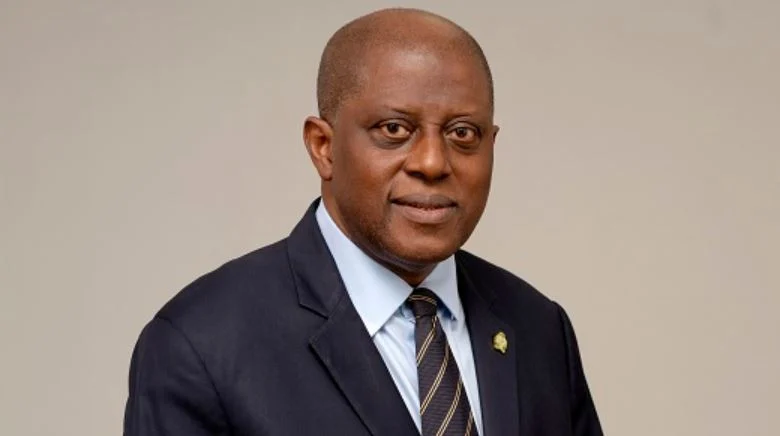
CBN Governor, Olayemi Cardoso. Photo: CBN / XThe Central Bank of Nigeria has approved the participation of licensed Bureau De Change operators in the Nigerian Foreign Exchange Market, allowing each BDC to purchase up to $150,000 weekly, according to a circular issued by the apex bank on Tuesday.

The directive, dated February 10, 2026, was contained in a circular signed by the Director of the Trade and Exchange Department, Dr Musa Nakorji, and addressed to authorised dealer banks and the general public.

This move is expected to narrow the gap between official and parallel market rates, which widened by over N90 for the first time in three years.

In the circular, the Central Bank of Nigeria said the move was aimed at improving foreign exchange liquidity in the retail segment of the market and meeting the legitimate needs of end users.

“To ensure the availability of adequate foreign exchange liquidity in the retail segment of the foreign exchange market to meet the legitimate needs of end users, this is to inform market participants that all BDCs that are duly licensed by the CBN are allowed to access foreign exchange from the NFEM through any Authorised Dealer of their choice, at the prevailing exchange rate,” the bank stated.

The apex bank added that authorised dealer banks must carry out full Know-Your-Customer and due diligence checks on BDC clients before selling foreign exchange to them.

“Authorised dealers are required to complete the necessary KYC and due diligence for their BDC clients in line with applicable regulations and the internal risk management framework,” the circular read.

It explained that upon completion of these requirements, foreign exchange could be sold to BDCs strictly in line with existing operational rules, but subject to a weekly limit.

“Upon completion of these requirements, foreign exchange may be sold to BDCs for utilisation in line with the existing BDC Guidelines, subject to a maximum of USD150,000 per week for each BDC,” the CBN said.

The bank also imposed strict reporting and transparency requirements, directing that “all licensed BDCs shall ensure the timely and accurate submission of returns to the Central Bank electronically, and in accordance with extant regulations.”

To prevent hoarding and speculative positions, the CBN warned that BDCs must not retain unutilised foreign exchange purchased from the market.

“Any unutilised balances are expected to be sold back to the market within 24 hours,” the circular stated, adding that “BDCs are not permitted to keep funds purchased from NFEM in their positions.”

The apex bank further tightened settlement rules, mandating that all foreign exchange transactions by BDCs be routed through settlement accounts with licensed financial institutions.

“Settlement of foreign exchange transactions by BDCs with Authorised Dealers and/or with end user customers shall be conducted exclusively through settlement accounts held with licensed financial institutions,” it said.

It also barred third-party transactions and limited cash settlement, noting that “third-party transactions are prohibited, and settlement of foreign exchange sales in cash is limited to a maximum of 25 per cent of each transaction amount.”

The CBN stressed that existing BDC guidelines would continue to apply to all transactions, signalling a blend of wider market access and strict regulatory oversight as it seeks to stabilise and deepen the foreign exchange market.

Earlier in October 2025, The PUNCH reported that the President of the Association of Bureau De Change Operators of Nigeria, Aminu Gwadebe, raised concerns about the hardship that BDC operators face in accessing dollars for their operations.

In a chat with PUNCH Online, Gwadebe said that following the CBN’s suspension of dollar sales to BDCs, operators have to rely on walk-in customers to obtain dollars.

Earlier in 2025, PUNCH Online also reported that the CBN issued new guidelines restricting Bureau de Change operators to purchasing a maximum of $25,000 per week from a single authorised dealer bank as part of efforts to regulate the retail foreign exchange market and enhance transparency. However, with the suspension, they have not been able to source dollars from banks.

FAAN, Cargo Agents End Tariff Talks, Fix MMIA Port Charge at ₦15/kg

The Federal Airports Authority of Nigeria (FAAN) has reached a consensus with Customs Licensed Cargo Agents operating at the Murtala Muhammed International Airport (MMIA), Lagos, on the review of cargo port charges, ending weeks of consultations with a mutually acceptable tariff.
The agreement was sealed at a stakeholders’ meeting held on Monday  February 9, 2026, at the MMIA Terminal 2 Conference Room. The session was chaired by the Director of Cargo Development and Services, Mr. Lekan Thomas, and brought together key operators in the airport cargo value chain.
After extensive and constructive deliberations, both parties agreed on a revised port charge of ₦15 per kilogramme, a compromise between FAAN’s earlier proposal of ₦20/kg and the existing ₦7/kg. The new rate represents a balanced upward adjustment designed to support infrastructure growth while easing the burden on cargo operators.
FAAN said the resolution underscores the spirit of dialogue, partnership and shared responsibility between the Authority and industry stakeholders.
According to FAAN, the agreement will enhance the ease of doing business at MMIA and strengthen the sustainability of airport and cargo terminal infrastructure. The Authority reaffirmed its commitment to continuous stakeholder engagement, adherence to its SEDI principles — Safety, Efficiency, Development and Innovation , and the ongoing modernisation of cargo handling facilities across the airport system.
FAAN also commended the cooperation and professionalism of the Customs Licensed Cargo Agents, expressing optimism that sustained collaboration will further advance Nigeria’s air cargo sector and improve service delivery at the nation’s premier gateway.
The Authority assured stakeholders of its readiness to keep working closely with operators to build a more efficient, competitive and business-friendly air cargo environment at MMIA and beyond.
N3.6tn power subsidy plan should go beyond 2028 – GenCos

The Managing Director/Chief Executive Officer of the Association of Power Generation Companies, Joy OgajiPower generation companies under the aegis of the Association of Power Generation Companies have urged the Federal Government to extend its proposed N3.6tn power subsidy payment plan beyond 2028, warning that the electricity sector’s liquidity crisis cannot be resolved within three years.

The Chief Executive Officer of APGC, Joy Ogaji, made the call while reacting to documents indicating that the Federal Government plans to make provisions for power subsidy payments between 2026 and 2028, covering a total of N3.6tn.

The PUNCH had reported earlier that the Federal Government proposed a N3.6tn deduction from the Federation Account to fund electricity subsidies in 2026, 2027, and 2028, a move designed to distribute the financial burden across federal, state, and local governments.

The move is a planned step by the Federal Government to confront the mounting electricity subsidy debt, which has severely constrained liquidity across the power sector, while also strengthening fiscal transparency by making subsidy obligations explicit and better accounted for.

The deduction proposal, detailed in the Medium-Term Expenditure Framework Fiscal Strategy Paper for 2026–2028, reflects a strategic shift towards distributing the financial burden of the power sector across all tiers of government, amid growing concerns over unsustainable debts and systemic inefficiencies.

According to the MTEF document, which outlines “Other FAAC Deductions” under the Federation Account Revenue – Main Pool, VAT and Stamp Duty, the electricity subsidy for 2026 is pegged at ₦1.2tn, the same for 2027 and 2028.

Though Ogaji welcomed the government’s move, describing it as a proactive step, she cautioned that the plan would fall short if it is not fully appropriated, transparently implemented, and backed by strong political will.

“We appreciate the Federal Government for coming up with this proactive approach. From the documents provided, there will be provisions for 2026 to 2028, which is three years. We are hoping that it is fully appropriated and that the funds are actually paid to the GenCos,” she said.

Questioning the sustainability of the government’s plan, the APGC CEO asked why the subsidy framework should end in 2028, warning against unrealistic expectations of a sudden turnaround thereafter.

“Is it not possible to extend the period beyond 2028? Are we expecting a miracle after 2028? Do we have a magic wand to wave off the crux of the liquidity conundrum?” Ogaji queried.

According to her, while the subsidy plan could provide temporary relief, it does not address the structural weaknesses undermining the power sector, particularly poor financial discipline and weak accountability across the value chain.

“This still calls for a better structured financial plan, as this will only fund a leaking basket without establishing the discipline and accountability required to stop the contagion,” Ogaji stated.

She stressed the need for the government to take retroactive action to clear outstanding obligations owed to power generation companies, noting that legacy debts continue to constrain operations and investment in generation capacity.

“I will, however, advise that this plan take retroactive action, as necessary, to clear all outstanding and legacy debts. A more comprehensive approach to make the sector viable is needed,” she added.

Ogaji warned that the challenges facing the power sector are far deeper than what short-term subsidies can resolve, likening the situation to a severe wound requiring decisive intervention rather than temporary fixes.

“The power sector wound is beyond plasters and bandages. There is a cure—a renewed focus on the sector with strong political will,” she said.

Despite her concerns, she expressed confidence in the Federal Government’s capacity to fix the sector, noting that GenCos remain ready to work collaboratively with relevant stakeholders to achieve lasting reforms.

“We are confident that the Federal Government has all it takes to fix the sector, and we are ready and willing to collaboratively work to achieve sustained success,” she said.

However, industry stakeholders have expressed pessimism about the proposed subsidy payments, citing past experiences where budgetary provisions failed to translate into actual disbursements.

Some stakeholders warned that the subsidy plan may not be fully implemented and could bear little or no resemblance to actual expenditure unless stronger safeguards are put in place to ensure transparency, consistency, and timely payments across the power value chain.

Recall that the Federal Government recently issued a ₦501bn bond to settle part of the ₦4tn legacy debt owed to the generation companies. The bond was designed to address payment arrears owed to power generation companies for electricity supplied over the past decade. But Ogaji said GenCos’ unpaid debts keep increasing by about ₦200bn monthly.

She said, “As of December 2025, the Federal Government debt to the GenCos via the Nigeria Electricity Trading Plc is already ₦6.4tn. You also need to look at how much of that has been provided for. Just a ₦501bn bond.”

According to her, the bond was structured to run for seven years and focused largely on historical debts without addressing ongoing shortfalls. “This bond is earmarked to run for seven years with a focus on the ₦4tn without dealing with the haemorrhaging ones,” Ogaji said.

But the Federal Government said the deductions from the Federation Account were to ensure that the burden of electricity subsidies was borne by all three tiers of government and not the Federal Government alone.

Start-ups raise $174m amid record low deal count

Naira and DollarStart-ups in Africa raised a total of $174m in January 2026 through deals valued at $100,000 and above, including equity, debt and grants, excluding exits, even as the number of deals dropped significantly.

This was disclosed by Africa: The Big Deal, a platform that monitors activities in the continental start-up ecosystem.

According to Africa: The Big Deal, the figure is significantly lower than the $276m raised in January 2025 and below the monthly average of $263m recorded over the previous 12 months. However, it is higher than the totals recorded in January 2023 ($106m) and January 2024 ($85m).

“What is more concerning, however, is the fact that only 26 start-ups announced at least $100k in funding in January. That is very low: just above half of the monthly average over the previous 12 months and of January 2024. As a matter of fact, on this specific metric, this is the lowest monthly tally on record since at least 2020,” the report indicated.

On the month-on-month dip between December and January, Max Giacomelli, who authored the piece, said that the trend is not new to the ecosystem, having occurred in 2023, 2024 and 2025. He maintained that a relatively slow start to the year does not necessarily signal a downward trend.

Among the biggest fundraisers was Nigerian mobility financing start-up MAX, which secured $24m in a mix of equity and asset-backed debt. The raise positions MAX as one of the continent’s top recipients of capital in January and reinforces investor appetite for asset-backed mobility and transport financing models in key African markets.

Egyptian fintech valU led the continent overall with a $64m debt facility from the National Bank. Four additional companies raised equity rounds exceeding $10m: NowPay (Egypt, $20m); Yakeey (Morocco, $15m Series A); Terra Industries (defence, $12m); and the Ivory Coast’s fintech Cauridor.

The sectoral distribution shows fintech continuing to dominate large-ticket funding, with mobility, property technology and defence also attracting significant investor interest.

Although not included in the funding totals, January also saw notable exit activity. Flutterwave acquired Nigerian fintech infrastructure start-up Mono in an all-stock transaction valued at approximately $30m, signalling continued consolidation in the payments and API infrastructure space. Tech talent platform Savannah was acquired by Commit, while Izili Group completed the acquisition of off-grid solar provider Qotto.

The combination of reduced deal flow and ongoing consolidation suggests a maturing funding environment, with capital increasingly flowing to established players and strategic mergers reshaping segments of the ecosystem.

For now, January’s figures may reflect seasonal moderation rather than structural decline. However, the historically low number of funded start-ups could indicate a tougher capital-raising climate ahead, particularly for early-stage ventures seeking their first institutional cheques.

Dangote Cement, Aradel buying lifts NGX by N1.4tn

Dangote-Cement-Logo

Buying interest in Dangote Cement (+8.81 per cent), Aradel (+2.78 per cent), Nigerian Breweries (+2.66 per cent), International Breweries (+2.00 per cent) and Lafarge Africa (+1.74 per cent) drove the market performance on Monday on the Nigerian Exchange Limited.

The extension of the bullish trend on the local bourse resulted in a 1.29 per cent increase in both the All-Share Index, which rose to 173,946.22, and the market capitalisation, which stood at N111.66tn at the close of trading.

Investor sentiment remained bullish, with 59 gainers emerging compared to 26 laggards. Overall, CAP (+10.00 per cent), MAYBAKER (+10.00 per cent), and DAARCOMM (+10.00 per cent) jointly led the gainers’ log, while EUNISELL (-9.98 per cent), Tripple Gee (-8.90 per cent), and Abbey Mortgage Bank Plc (-8.03 per cent) topped the laggards.

However, trading activity moderated as total volume and value traded fell 18.72 per cent and 35.21 per cent, respectively, to 775.2 million units and N27.9bn, compared to the previous session, whereas deal count increased 29.32 per cent to 65,960 transactions.

Banking stocks topped the volume and value charts, as Access Corp led the volume log with 67.1 million units (8.66 per cent of total volume) traded, while Zenith Bank topped the value log with N3.4bn (12.29 per cent of total value).

Sectoral performance was broadly positive. The Industrial Goods sector rose 4.76 per cent, largely due to a price increase in DANGCEM (+8.81 per cent). The Consumer Goods sector climbed 0.74 per cent, driven by gains in NB (+2.66 per cent). Additionally, ARADEL’s rise (+2.78 per cent) helped boost the Oil & Gas sector1.29 per cent and the Commodity Index 0.65 per cent.

On the other hand, the Banking (-0.04 per cent) and Insurance (-0.03 per cent) indices trended lower, pressured by losses in ETI (-5.01 per cent) and AIICO (-4.44 per cent), respectively.

The PUNCH reported that in the past week, the Oil & Gas index drove the NGX to a historic high, with the All-Share Index reaching an unprecedented 171,727.49 points and the market capitalisation boosted to N110.23tn.

Analysts attribute this bullish streak to a “fragile but positive” stabilisation of macroeconomic indicators and a shift toward productivity-led growth. Looking forward, the bullish performance is expected to be sustained in the near term, supported by improving investor sentiment and the continued release of corporate earnings results, though some profit-taking may emerge following the recent rally.

On their outlook for this week, the analysts at Afrinvest said that they expect the “bullish performance to be sustained, supported by improving investor sentiment and the continued release of earnings results”.

The experts at AIICO Capital echoed similar sentiments, saying, “We expect the market to sustain its positive sentiment in mid- to high-cap stocks in relation to released earnings and the bid for dividend season.”

CBN, NCC propose instant refunds for failed airtime, data

CBN headquartersThe Central Bank of Nigeria and the Nigerian Communications Commission have proposed that customers must receive refunds within 30 seconds for failed airtime and data purchases to curb persistent billing complaints in the telecommunications sector.

This was indicated in the Exposure Draft of the Joint CBN–NCC Framework for Resolution of Failed Airtime and Data Purchase Transactions, which was published on the website of the CBN on Monday.

The landmark exposure draft, dated 5 February 2026, seeks to “institutionalise clear accountability” and establish a “coordinated approach to consumer redress” across the financial and telecommunications sectors.

The most significant shift in the proposed framework is the introduction of standardised, automated timelines for resolving failed transactions. Currently, Nigerians often face long delays when airtime purchases fail at the bank, aggregator, or Mobile Network Operator level.

To solve this, the regulators have proposed a 30-second window for automated reversals. Section 6.0 (ii) of the draft exposure, which dwelt on failed transactions, especially as it relates to unfulfilled airtime/data delivery, proposes a time to refund the purchaser of 30 seconds “if the transaction failed at the bank level… Failed transaction delivery from NCC Authorised Licensees… Failed transaction delivery from MNO to the NCC Authorised Licensee.”

The draft emphasised that stakeholders must “automate reversal processes across all stakeholders” to ensure that refunds require no human intervention from the customer. The draft exposure also stated that “all parties involved in airtime and data transactions shall take the following actions to ease usage and facilitate consumer satisfaction: a. Stakeholders must immediately connect ONLY to relevant authorised licensees of the NCC and CBN. b. MNOs and banks must only connect to NCC Authorised Licensees/MNO digital channel partners for airtime and data vending… Notifications of failure create final settlement obligations between MNO and NCC-authorised licensees… The NCC and CBN will audit stakeholder compliance jointly or individually at quarterly or other intervals as may be determined.”

From a business and oversight perspective, the regulators are proposing a Central Monitoring Dashboard to be hosted jointly by the CBN and NCC, which will track reversals, Service Level Agreement breaches, and customer complaints in real-time.

“There shall be a Central Monitoring Dashboard hosted by CBN/NCC for tracking reversals, SLA breaches, and customer complaints. This will facilitate the establishment of a real-time national ‘Failed Transactions Dashboard’ with a uniform error code with end-to-end visibility across the value chain’, read the draft exposure.

This is designed to eliminate the “unclear ownership of liability” that often occurs when banks and telcos blame each other for failed recharges. To support this, banks and MNOs will be required to maintain and share daily reports of successful and failed cases.

The proposed framework also addresses the common problem of “lost” money when customers recharge ported phone numbers. The draft mandates that MNOs must validate a phone number against the ported number database before processing any recharge. If the system identifies a number as ported out or invalid, it must “proactively stop recharges” and send a failure code back to the bank to ensure the customer is not debited.

For erroneous recharges sent to the wrong person, the framework sets clear protocols: below N20,000, MNOs will request the recipient’s consent before a reversal, and when it is above N20,000, an affidavit of indemnity or notarised letter is required to process the recovery.

The CBN and NCC in the exposure draft signalled they will take a firm stance on compliance. Both agencies will conduct joint quarterly audits of all stakeholders, including banks, payment service providers, and MNOs, to verify compliance with the new rules. The regulators have warned they will “impose penalties for any breach” of the framework’s provisions.

Banks and other financial institutions have until 10 February 2026 to submit their inputs on the draft before it is finalised. Once implemented, the framework is expected to significantly restore “subscriber trust” in Nigeria’s digital financial ecosystem.