FG concludes Enugu Airport concession with Aero Alliance

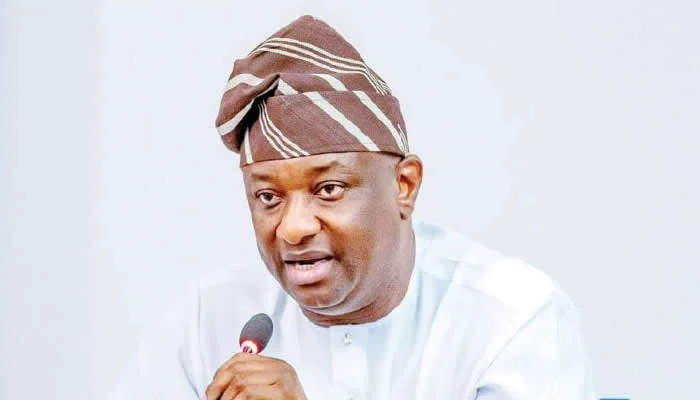
Minister of Aviation and Aerospace Development, Festus Keyamo.The Federal Government has signed the concession agreement for the Akanu Ibiam International Airport, Enugu, marking a key step in its plan to modernise aviation infrastructure through public-private partnerships.

The agreement was announced through a statement signed on Friday by the Ministry of Aviation and Aerospace Development, Festus Keyamo. The statement noted that officials from Enugu State, the Federal Airports Authority of Nigeria, and the concessionaire, Aero Alliance, were present during the signing.

Keyamo said the agreement concluded a long and transparent process that began several years ago. “Today is the end of a very long and tedious process regarding the concession of the Enugu Airport. The process culminated on the 31st of July, 2025, when the Federal Executive Council approved the proposal to concession the Enugu Airport, subject, of course, to contract,” the minister said.

He explained that following the Federal Executive Council’s approval, the ministry, FAAN, and Aero Alliance held extensive negotiations, including consultations with aviation unions, to protect workers’ interests.

“We did these agreements with the rights and privileges of workers uppermost in our minds. Let me say today that we have fully respected and preserved the rights of aviation workers. They have not been retrenched, their terms and conditions of employment have not changed in any way, and they remain workers of the Federal Government and FAAN,” he said.

Keyamo stressed that job security formed a central part of the concession framework. “The workers have not been short-changed in any way at all. Their jobs are safe and protected. Having taken care of the rights of workers, we then addressed other critical issues and virtually covered all areas before the signing of this agreement,” he added.

The minister noted that while the main concession agreement had been concluded, some operational matters would still be finalised. “There are two little issues after signing, in terms of operationalising the agreement, regarding security fees and the financial model of the airport. These will be resolved in the next few weeks. But as far as the main concession is concerned, we have agreed to concession the Enugu Airport to Aero Alliance today,” he said.

He described the signing as a historic milestone that would reposition the Enugu airport for improved efficiency, better service delivery, and enhanced passenger experience.

The concession of the Akanu Ibiam International Airport is part of the Federal Government’s wider aviation reform programme aimed at attracting private investment, improving infrastructure, boosting regional connectivity, and strengthening Nigeria’s competitiveness in the aviation sector.

In early 2025, the Federal Ministry of Aviation clarified that plans to concession Enugu and other airports, including Lagos and Port Harcourt, were still under review and that no fixed terms had been agreed.

The ministry said proposals from prospective concessionaires, with varying durations and financial models, were being evaluated by the Infrastructure Concession Regulatory Commission before final approval by the Federal Executive Council.

A concession is a form of public-private partnership in which a private entity operates, maintains and upgrades airport facilities for a set period while ownership remains with the government. The aim is to attract private capital and expertise to improve infrastructure and service delivery.

CBN urges balance as digital payments surge 276%

CBNDigital payments in Nigeria have recorded a 276 per cent increase in transaction volume over the past five years, underscoring rapid adoption of electronic channels, even as cash continues to play a critical role in the economy, the Central Bank of Nigeria has said.
This was disclosed at the Committee on Bank Operations Annual Conference on Friday, where the Governor, Mr Olayemi Cardoso, delivered the keynote address through his Special Adviser, Fatai Kareem.

In his address, the CBN governor highlighted the need for a balanced payment ecosystem in which digital innovation and physical cash coexist rather than compete.

According to the data presented during the keynote, the value of digital payment transactions also grew by 581 per cent over five years. The figures, drawn from industry payment infrastructure, reflect increasing consumer confidence, policy reforms, and technological innovation within Nigeria’s financial system.

Despite this growth, the CBN emphasised that cash usage has not declined. Currency in circulation rose from about N2.4tn in 2020 to approximately N5.1tn in 2025, while total currency in circulation increased by 4.6 per cent year-on-year as of December 2025.

He said, “Nigeria’s payment ecosystem has evolved significantly over the past decade. While policy remains somewhat cash-oriented, experience shows that cash continues to play a critical role, particularly in informal markets, rural communities, and among vulnerable populations.

“At the same time, electronic payments enhance transparency, efficiency, and inclusion. When properly governed, electronic channels complement cash, reduce pressure on physical currency management, and provide scalable alternatives during peak demand. The objective is balance: maintaining confidence in cash while accelerating reliable electronic payment adoption.

“Cash availability is not solely a function of currency issuance. It depends on logistics, infrastructure, incentives, and coordination among financial institutions. Failures in access—ATM outages, illiquidity—undermine confidence in the system. Banks play a critical role in shaping the future of cash.

“They must invest in technology, collaborate with regulators, improve cash deposit mobilisation, strengthen fraud prevention, and enhance digital platforms. The Central Bank remains fully committed to building a resilient, inclusive payment system by strengthening infrastructure, modernising currency management, and supporting responsible innovation.”

The governor said electronic and digital payment channels, when properly designed and governed, complement cash by easing pressure on physical currency management, improving efficiency, and providing alternatives during periods of operational stress.

He added that the strategic challenge for Nigeria is not choosing between cash and digital payments, but ensuring citizens can always access cash when needed while building trust in electronic channels for everyday transactions.

“In conclusion, progress is not measured by how quickly we adopt technology, but by how effectively systems improve lives, reduce friction, and expand productivity. The strategic challenge is not choosing between cash and digital payments, but ensuring citizens can access cash when needed while building trust in electronic channels.

“Achieving this balance requires coherent policy, strong oversight, and close industry coordination. When aligned, the payment system supports economic activity, financial inclusion, and public trust,” he asserted.

In his welcome address, the First Vice Chairman of CHBO, Tolulope Ogundipe, who represented the Chairman, CHBO, Abraham Aziegbe, said Nigeria’s financial system is at a defining crossroads, shaped by the rapid rise of digital innovation on one hand and the enduring relevance of physical cash on the other.

He said, “We stand at a defining crossroads. On one side, the breathtaking rise of digital innovation is reshaping financial services at an unprecedented pace. On the other hand, the enduring presence of physical currency continues to ramp up trust, inclusion, and stability in our economy.

“Today, our mission is clear: to explore how cash and digital can co-exist, not as rivals, but as complementary forces that shape Nigeria’s financial future. The story of cash versus digital in Nigeria is layered and complex. Yes, digital payments are surging, reflecting consumer confidence and our collective ingenuity. Yet, cash remains deeply woven into the fabric of everyday life. For millions, especially in rural communities, cash is not just convenient; it is essential.

“Recent figures from the Nigeria Inter-Bank Settlement System highlight this dual reality. Electronic transactions have soared over the past decade, yet outages and infrastructure challenges have triggered spikes in cash usage. In fact, the Central Bank of Nigeria reported that ATM withdrawals reached N36.34tn in just the first half of 2025, a staggering leap from N12.21tn during the same period in 2024. This is not a relic of the past; it is a reminder that cash remains a cornerstone of resilience, continuity, and trust. Our challenge, therefore, is not to diminish cash, but to reimagine its role.”

In his presentation, the Managing Director/Chief Executive, Bankers Warehouse Plc, warned about the high value of cash outside the banking system, describing it as a matter requiring urgent action.

He said, “There was a dislocation, there’s a trust issue. There are a few other things. There is a need to invest in infrastructure, and there’s a need to invest in power. All of those things can affect the system. The cash comes in, and it leaves the banking system.

“It is supposed to come back to the banking system every week and go out and come back—that’s where we’re talking about the velocity of funds and velocity in transactions.

“Now, what is happening is that it’s outside of the banking system, and so when it gets out, people are transacting amongst themselves outside the bank, which can affect monetary policy and impact anything that we do. It means that we cannot even tell the quantum of cash that is authentic or not outside the system. This is a problem that needs to be resolved, and we all need to solve it.”

Fintech Remita eases access to JAMB services

remita logoRemita, one of Nigeria’s leading fintech companies, said it is easing the process for students seeking admission into tertiary institutions as registration opens for the 2026 Unified Tertiary Matriculation Examination and Direct Entry programmes.
The platform allows candidates and their families to navigate the digital registration system with greater efficiency, securing ePINs in a structured and data-driven manner. The process, often seen as a critical hurdle in Nigeria’s competitive higher education landscape, demands timely completion of steps and careful attention to procedural details.

In a statement on Friday, Remita revealed that it had upgraded its platform to reduce friction, improve digital connectivity between students, families, and institutions, and provide a smoother experience for candidates completing this essential administrative step.

Through its upgraded website and mobile app, Remita allows parents and candidates to pay for JAMB services directly, maintain full visibility of their transactions, obtain original receipts, and earn rewards for every payment made. These improvements ensure that payments are secure, efficient, and independent of third-party intermediaries.

Remita is also extending support to trusted partners within the education ecosystem, including schools and training institutions. These organisations can now process ePINs seamlessly within their own systems, reducing operational stress and protecting candidates from exploitation.

Executive Director of Business Development at Remita, Abayomi Oniku, said, “Education is the greatest investment in Nigeria’s tomorrow, and Remita will continue to ensure that payments are a bridge, never a barrier to opportunity.”

Head of Digital Assets and Partnerships at Remita, Alisa Chinedu, added, “This year, we are making the JAMB ePIN experience more intuitive and more human through our AI assistant and stronger partnerships with trusted institutions and stakeholders that guide students toward a prosperous future.”

Remita’s initiatives reflect its continued commitment to financial inclusion, digital access, and economic participation. As a designated significant national payments and digital public infrastructure provider, the company is connecting people, institutions, and aspirations through systems Nigerians can rely on both at home and abroad.

Nestlé achieves 100% plastic neutrality

Nestlé NigeriaNestlé Nigeria has announced that it has achieved 100 per cent plastic neutrality, taking back every tonne of plastic it introduced into the market.
The achievement was made possible through the Food and Beverage Recycling Alliance, Nigeria’s first Producer Responsibility Organisation, established in 2018 under the Extended Producer Responsibility policy. Since its inception, FBRA has grown from four founding members to 49 member organisations as of November 2025, collectively driving the recovery, recycling, and circular management of post-consumer packaging waste.

In a statement made available to our correspondent on Thursday, Corporate Communications, Public Affairs and Sustainability Lead at Nestlé Nigeria, Victoria Uwadoka, said the company’s approach goes beyond profit, emphasising the importance of planet stewardship.

She explained that while companies compete commercially, they collaborate on shared environmental responsibilities to ensure sustainable impact.

Nestlé has also pioneered the use of 50 per cent recycled polyethylene terephthalate in its Nestlé Pure Life water bottles, fully compliant with food-grade packaging standards.

Through FBRA’s framework, plastics are collected, recycled, and reintegrated into production cycles, creating both environmental and economic value.

Uwadoka added, “Every bottle that is taken out and doesn’t end up in the ocean is one bottle less of a problem. Closing the loop is key. Circularity is the destination. It’s not just about collection but ensuring we use, collect, transform, and reuse.”

Since 2018, FBRA and Nestlé Nigeria have recovered over 100,000 metric tonnes of plastic waste, helping clean communities, empower waste collectors, and drive Nigeria’s circular economy. The partnership demonstrates how industry-led collaboration can transform waste into wealth while advancing global sustainability goals.

Tight monetary policy reduced inflation by 10 points – CBN

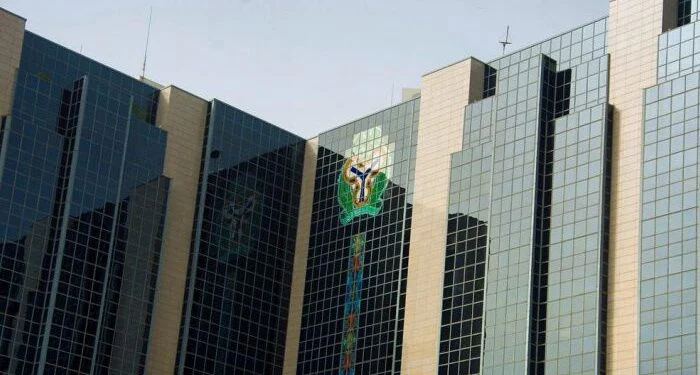
CBN-VUILDING-700×375Nigeria’s sustained monetary tightening has played a central role in slowing inflation, with research estimates showing that the Central Bank of Nigeria’s policy stance accounted for as much as 10 percentage points of the decline in headline inflation, the Governor of the Central Bank of Nigeria and Chairman of the Monetary Policy Committee, Olayemi Cardoso, has said.


This was stated in his personal statement released by the apex bank on its website on Wednesday. Cardoso, in his personal statement at the Monetary Policy Committee meeting held in November 2025, described the outcome as strong counterfactual evidence of the effectiveness of monetary policy despite significant domestic and global headwinds.

He said the findings reinforced the need for bold and consistent actions to preserve price stability.

In the statement, Cardoso said, “Research estimates indicate that our tight policy stance has accounted for up to 10 percentage points of the decline in headline inflation, providing encouraging counterfactual evidence on the effectiveness of monetary policy in the current environment and a reminder of the need to consistently take bold actions.”

Data show that headline inflation declined to 16.05 per cent in October 2025 from 18.02 per cent in September and is now 8.43 percentage points lower than the 24.48 per cent recorded in January 2025.

The CBN governor noted that the disinflation has been broad-based, cutting across headline, food, and core inflation, with momentum strengthening in recent months. According to him, the slowdown reflects reduced foreign exchange volatility, lower food prices, and better-anchored inflation expectations, supported by a relatively stronger naira.

He added that the exchange rate has become significantly less volatile and has shown signs of market-driven appreciation, while foreign reserves have continued to strengthen following reforms that improved capital inflows and triggered structural shifts in Nigeria’s balance of payments.

Beyond inflation, Cardoso said macroeconomic conditions have improved, with rising investor confidence, stronger external buffers, and positive business and household sentiment supporting long-term investment in critical sectors of the economy.

However, he warned that risks to the outlook remain elevated, citing global uncertainties, geopolitical tensions, and Nigeria’s recent designation by the United States as a Country of Particular Concern. He noted that although the designation is rooted in security issues, it could have economic spillover effects.

He also identified the 2026 political cycle as a key domestic risk, given the historical link between pre-election fiscal expansion and inflationary pressures, exchange rate depreciation, and external sector stress.

The CBN governor said fiscal reforms, though necessary, often take time to deliver results and may introduce new challenges in the interim, stressing that monetary policy must remain alert and proactive to prevent any reversal in the disinflationary trend.

Cardoso said deliberations at the November meeting supported maintaining a tight monetary stance, identifying excess system liquidity as a major threat to price stability. He argued that holding policy rates steady would reinforce stability and signal confidence that the current stance is delivering the desired results.

He added that improved anchoring of overnight market rates within the standing facilities corridor shows stronger policy transmission to the wholesale market, providing room for operational adjustments to better manage liquidity conditions.

Based on this assessment, Cardoso supported retaining the Monetary Policy Rate at 27 per cent, adjusting the standing facilities corridor to +50/-450 basis points, maintaining a 45 per cent cash reserve ratio for commercial banks and a 75 per cent CRR on non-TSA public sector deposits, while keeping the liquidity ratio unchanged at 30 per cent.

BOI names Mubarak as investment subsidiary MD

Olayinka MubarakThe Bank of Industry has announced the appointment of Olayinka Mubarak as the Managing Director of BOI Investment & Trust Company Limited, its wholly owned subsidiary.
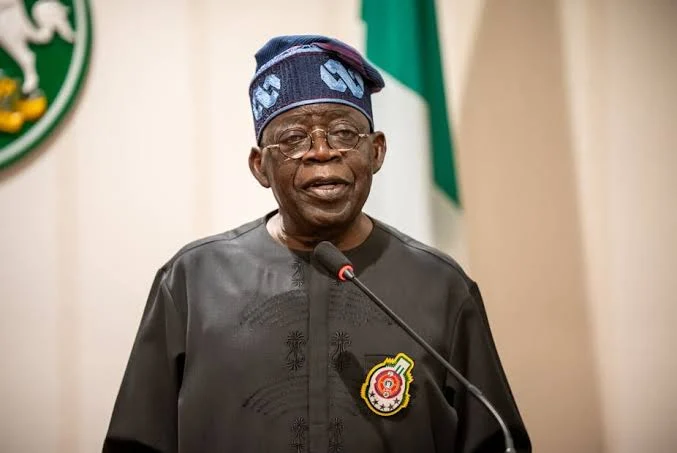
According to the bank in a statement on Thursday, Mubarak brings over 25 years of experience in banking and financial services, spanning development finance, treasury management, public sector, commercial and retail banking, corporate and private banking, as well as investment banking.

The bank added that she has attended numerous local and international training programmes, equipping her with global perspectives and best practices in financial services, leadership, and governance.

Prior to her appointment, Mubarak held various senior leadership roles at the Bank of Industry, where she was part of the team that drove significant impact across key sectors of the economy.

In 2017, she was appointed by the Federal Government to the Board of the Solid Minerals Development Fund, a role that further underscored her experience in governance and public sector oversight.

As Managing Director, Mubarak will provide strategic leadership for BOI-ITC, overseeing its core business areas of trusteeship, custodial services, financial planning, and advisory services.

The bank noted that her leadership will focus on strong governance, operational excellence, and sustainable value creation at the subsidiary.

Shell’s $5bn Bonga S’West project gets presidential support

President Bola Tinubu has approved targeted incentives to unlock Shell’s long-delayed $5bn Bonga South-West deep-offshore oil project. He also directed his Special Adviser on Energy, Olu Verheijen, to facilitate the gazetting of the incentives in line with Nigeria’s existing legal and fiscal frameworks.

Tinubu gave the approval on Wednesday while receiving a Shell delegation led by its Global Chief Executive Officer, Wael Sawan, at the State House, Abuja, on Thursday.

The President’s Special Adviser on Media and Public Communication, Sunday Dare, announced the approval in a statement on Thursday titled: ‘President Tinubu approves targeted incentives to unlock jobs, FX inflows from Shell’s Bonga Southwest Project and other deep offshore projects.’

The Bonga Southwest project, located approximately 120 kilometres offshore Nigeria in water depths exceeding 1,000 metres, has been stalled for over a decade due to fiscal disagreements between the Federal Government and Shell Nigeria Exploration and Production Company and its joint venture partners.

The project, estimated to cost over $5bn, is expected to produce about 150,000 barrels of oil per day at peak capacity and holds significant potential for gas production, experts say.

Previous administrations struggled to reach an agreement with Shell on the fiscal terms for the project, with the oil giant seeking incentives to make the capital-intensive deep-water development commercially viable amid declining global oil prices and Nigeria’s challenging investment climate.

Announcing the breakthrough, Tinubu said the approved incentives are “disciplined, targeted, and globally competitive,” designed to attract new capital without undermining government revenues.

He stated, “These incentives are not blanket concessions. They are ring-fenced and investment-linked, focused on new capital and incremental production, strong local content delivery, and in-country value addition. My expectation is clear: Bonga Southwest must reach a Final Investment Decision within the first term of this administration.”

Tinubu directed his Special Adviser on Energy, Olu Verheijen, to facilitate the gazetting of the incentives in line with Nigeria’s existing legal and fiscal frameworks, including the Petroleum Industry Act 2021.

The President emphasised the strategic importance of the project to Nigeria’s economy, noting its potential to create thousands of direct and indirect jobs, generate significant foreign exchange inflows, and deliver sustained government revenues over its lifespan.

He added that the project would deepen Nigerian participation in offshore engineering, fabrication, logistics, and energy services. Tinubu reaffirmed his administration’s commitment to policy stability, regulatory certainty, and speed, noting that these reforms are critical to restoring investor confidence and positioning Nigeria as a preferred destination for large-scale energy investment.

He revealed that Shell and its partners have invested nearly $7bn in Nigeria in the past 13 months, particularly in the Bonga North and HI projects, describing this as evidence that the country’s economic and energy-sector reforms are yielding results.

Responding, Shell CEO Wael Sawan said Nigeria’s investment climate has improved remarkably under the Tinubu administration, adding that the company is increasingly confident in Nigeria as a destination for long-term investment.

The Bonga field, operated by Shell, commenced production in 2005 and was Nigeria’s first deep-water development.

Nigerians spent N1.58tn on petrol during Yuletide — Report

FUEL PUMPNigerians spent an estimated N1.58tn on petrol in December 2025, based on official fuel consumption data released by the Nigerian Midstream and Downstream Petroleum Regulatory Authority.


According to the NMDPRA December fact sheet, average daily petrol consumption stood at 63.7 million litres per day throughout the month. With 31 days in December, nationwide petrol use totalled 1.97 billion litres.

Petrol consumption in the month remained consistently high, perhaps driven largely by increased travel, festive movements and higher commercial activities associated with the Yuletide.

Using the total volume of petrol consumed in the month and applying the average pump price of about N800 per litre that prevailed across major cities, total consumer spending on petrol for December is estimated at about N1.58tn, which is 1.97 billion multiplied by N800.

It could be recalled that the Dangote refinery enforced a price reduction in December, crashing petrol prices from around N900 to N739 per litre. However, it was observed that, unlike MRS in Lagos and some parts of Ogun, many filling stations sold petrol above N800 during the Yuletide, especially in the north.

Our correspondent reports that the calculation relies on two official and market-based indicators: the daily consumption figure provided by the regulator and the average retail price motorists paid at filling stations following the deregulation of the petrol market. While pump prices varied slightly by location, N800 per litre broadly reflects the national average during the period.

December typically records higher fuel usage compared to other months due to holiday travel, end-of-year logistics, and increased need for electricity by businesses relying on petrol-powered generators. These seasonal factors explain the elevated spending level recorded during the month.

It was observed that the December 2025 figure of 63.7 million litres per day was the highest since October 2024.

Year-on-year, daily petrol consumption stood at 52.3 million litres per day in December 2024.

The NMDPRA data showed that daily premium motor spirit consumption surged in October 2025, hitting 56.9 million litres, but it dropped in November to 52.9 million and soared again to its highest in December 2025.

According to the regulator, the consumption data as reported is based on volumes trucked into the domestic market by the Dangote refinery and importers.

Nigeria imported approximately 1.31 billion litres of petrol in December 2025, according to NMDPRA. During the same period, the Dangote refinery supplied 992 million litres, showing a notable contribution from domestic refining compared to November.

In the month under review, total petrol supply was 74.2 million litres per day: imports accounted for 42.2 million litres per day, while Dangote supplied 32 million litres per day. This indicated that about 10 million litres per day were not trucked out during the month.

“Domestic supply is volumes received into coastal depots plus volumes trucked out from domestic refineries. PMS supply in December 2025 increased due to significant improvement in supply from DPRP (19.5 ML/day to 32 ML/day).”

The N1.58tn estimate underscores the significant cost burden of petrol on Nigerian households and businesses, even as domestic supply from the Dangote refinery and imports helped stabilise availability.

It also highlights how fuel expenditure continues to absorb a large share of consumer spending in a fully deregulated downstream market.

Kaduna Customs post N14.6bn Q4 revenue

Nigeria Customs ServiceThe Nigeria Customs Service, Kaduna Area Command, said it collected a total of N14.6bn as revenue in the last quarter of 2025.
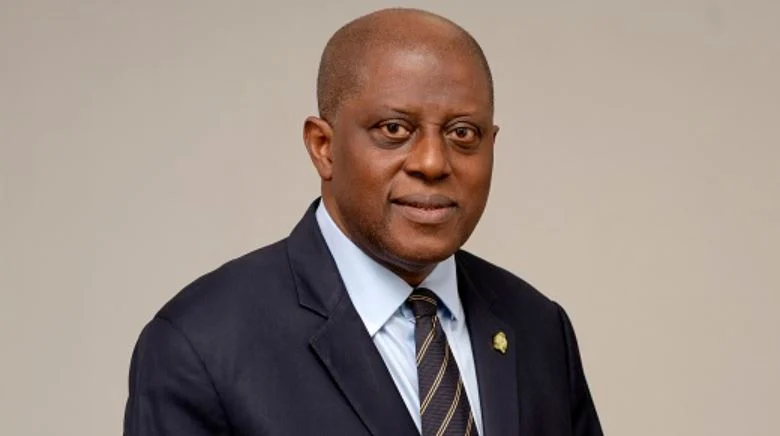
In a recent statement, the Public Relations Officer of the command, Dauda Adamu, explained that the figure increased by N3.8bn when compared to the N10.8bn collected in the same period in 2024, representing a 35 per cent increase.

“The command generated the sum of N14.6bn as revenue for the period under review. This can be compared to N10.8bn generated in the corresponding period of last year, 2024. There is therefore an increase of N3.8bn, representing an increase of 35 per cent,” he said.

Adamu explained that the feat is a testament to the diligence, professionalism and commitment of the officers and men of the command, who worked tirelessly to ensure that the command met and exceeded its revenue targets

“It also shows our steadfast commitment to the growth of our national economy,” he added.

The PRO stated that, in addition to the revenue, the command’s activities have improved tremendously, and this has brought greater success, which is evident in its monthly revenue collections from October to December.

“In October, we raked in N5.1bn; in November, we made N3.8bn, while in December our revenue collection leapt to N5.6bn,” he stressed.

Adamu emphasised that the command will continue to take necessary measures to improve toll collections, with adequate support from other service units.

“We shall maintain success through synergy and continued dialogue by engaging and sensitising the local and trader communities while discharging our statutory responsibilities of enforcing compliance with government fiscal policies,” he added.

According to him, the core mandate of the command remains the generation of revenue for the Federal Government, facilitation of legitimate trade and protection of national economic security.

Adamu reiterated that the success recorded by the command in the area of revenue collection in the last three months of 2025 could be attributed to motivation from the management of the service, which has boosted the morale of officers.

He also hinted at the continuous deployment of intelligence and reconnaissance by the monitoring compliance team as part of the measures the command took to ensure success.

“At this time, I must commend the dedication of my officers and men and the cooperation of other units, especially the Customs Intelligence Unit, the Valuation Unit and the Customs Police Unit, in their prompt actions. It has really contributed to the success of the command. Our achievement is in line with the policy drive of the Comptroller-General of Customs, Adewale Adeniyi, who has championed the principle of consolidation, collaboration and innovation. His visionary leadership and enabling support have been crucial in heightening our potential and have driven these spectacular results,” he stated.

Adamu expressed gratitude to the stakeholders for their prompt duty payments and encouraged them to maintain their commitment.

“We also assure them that the command remains committed to fulfilling its mandate as outlined in the Nigerian Customs Service Act (NCS Act, 2023),” he concluded.

The Kaduna Area Command is one of the operational area commands of the NCS, established to oversee customs administration, revenue generation, trade facilitation and anti-smuggling operations within its jurisdiction. Strategically located in Kaduna State, the command plays a critical role in customs activities in Nigeria’s North-West and parts of the North-Central regions, particularly given Kaduna’s position as a major commercial and transportation hub linking northern Nigeria with the southern ports.

Investors watch yields as CBN sells N1.15tn bills

Governor of the Central Bank of Nigeria, Olayemi CardosoThe Central Bank of Nigeria was expected to conduct its second Treasury bills auction for January 2026 on Wednesday, offering instruments worth N1.15tn, as strong liquidity in the banking system collides with rising borrowing needs and cautious interest rate expectations.

The auction would span the three standard maturities of 91 days, 182 days, and 364 days, continuing the apex bank’s heavy reliance on short-term domestic instruments to fund government operations and manage liquidity.

Market participants say the outcome would be closely watched for signals on the direction of short-term interest rates, especially amid mixed inflation trends and sustained monetary tightening.

Data from the offer circular seen on Wednesday show that N150bn has been earmarked for the 91-day bills, N200bn for the 182-day tenor, while the bulk of the offer, N800bn, is allocated to the one-year bills.

Dealers say the structure reflects persistent investor preference for longer-dated securities that provide relatively higher yields in an uncertain rate environment.

Market operators note that the dominance of the 364-day bills shows both the government’s funding strategy and investors’ desire to lock in returns, given uncertainty over inflation sustainability and future policy direction.

Recent auctions have consistently shown stronger demand at the long end of the curve, even as the central bank seeks to mop up excess liquidity. Despite softer inflation prints in recent months, spot rates are widely expected to remain firm or edge higher.

Analysts point to concerns about inflation reversals, exchange rate pressures, and the central bank’s preference for maintaining tight financial conditions. In December, the stop rate on the 91-day bills rose to 15.80 per cent from 15.50 per cent, while the 182-day tenor increased to 16.50 per cent from 15.95 per cent.

One-year bills were sold at 18.47 per cent, up from 17.51 per cent, reinforcing expectations of elevated yields across the curve.

The bank had also raised rates at earlier auctions even as headline inflation eased in November, signalling caution over the durability of the disinflation trend and the need to support exchange rate stability.

Activity in the secondary Treasury bills market has remained largely subdued, oscillating between calm and bearish sessions despite ample liquidity. Most maturities closed flat as investors adopted a wait-and-see stance ahead of the primary auction and recent Open Market Operations sales.

Only the April 9, 2026, and January 7, 2027 papers recorded notable yield movements, rising by 58 basis points and 12 basis points respectively, while other tenors were unchanged. Dealers say this reflects selective positioning rather than broad-based selling pressure.

Earlier, the central bank allotted N2.64tn across 203-day and 245-day OMO papers at stop rates of 19.38 per cent and 19.39 per cent. Following the allotment, average Treasury bill yields edged up to 18.14 per cent, reflecting negative sentiment driven by sell-offs in the secondary market.

At the first Treasury bills auction of 2026, the government raised N1.14tn at higher stop rates across all maturities. At the January 7 auction, N108.17bn was raised for the 91-day bills, N48.23bn for the 182-day tenor, and N987.78bn for the 364-day bills, as investors repriced risk-free assets, particularly at the long end of the curve.

Subsequently, yields eased slightly in the secondary market, with the average yield on one-year bills declining to about 18.10 per cent, supported by improved demand for naira-denominated government assets ahead of the latest auction. Longer-dated bills due in January 2027 attracted stronger interest, pushing yields down to around 17.51 per cent.

Analysts project a mild upward bias in yields at the latest auction. Matilda Adefalujo, fixed income analyst at Meristem Stockbrokers, said, “We expect stop rates to hover around current levels, with a mild upward bias at the long end of the curve, given the frontloading of government borrowings.”

She added that maturing bills worth N725.19bn this week are significantly lower than the N1.15tn on offer, reinforcing funding pressures.

“We expect the government to keep rates relatively attractive to sustain investor participation. In addition, the levels at which one-year bills are trading in the secondary market around 17.50 per cent should prompt investors to demand higher rates at the auction,” Adefalujo said.

Nigeria’s 2026 fiscal year carries a projected deficit of N23.85tn, with the Federal Government relying heavily on the domestic market to finance it. The Treasury bills issuance calendar for the first quarter of 2026 indicates planned borrowing of N7.55tn within the first three months, a factor analysts say could keep yields elevated.

Olaolu Boboye, lead economist at CardinalStone, said yields on one-year Treasury bills could range between 18.0 per cent and 20.0 per cent. “Overall, we advise fund managers to play at the short to mid segment of the curve, especially in the first half of 2026,” he said.

Demand has remained strong at recent auctions, with total subscriptions exceeding N1tn since December 2025. At the last auction, investors offered N1.54tn, with N1.38tn directed at the 364-day bills, while the 91-day and 182-day bills attracted significantly lower interest.

Analysts attribute the rising participation to investors positioning to benefit from higher yields in a tightening rate environment.

Meanwhile, the domestic debt market is also bracing for a sizeable bond maturity. The Federal Government is expected to repay about N1.03tn in bond maturities on January 22, 2026.

Analysts at FMDA Research noted that nearly 40 per cent of the maturities are concentrated in the 12.50 per cent FGN January 2026 bond. “Market participants should closely monitor the reinvestment pattern, as the size and concentration of inflows could elevate FX demand and put short-term pressure on the naira,” the firm said.

Analysis based on Debt Management Office data shows that the N1.03tn repayment in 2026 represents the highest bond maturity payout in recent years, compared with about N558bn in 2024 and N430bn in 2025, highlighting the rising cost of public debt.

The repayments come amid Nigeria’s expanding debt stock. According to the Medium-Term Expenditure Framework for 2026–2028, the Federal Government plans to borrow N17.89tn in 2026 to fund a widening budget deficit as revenue projections fall sharply below expenditure needs

The PUNCH earlier reported that the Federal Government moved to significantly scale up domestic borrowing, planning to raise as much as N900bn from its January 2026 bond auction.

The amount doubles the N450bn it targeted in January 2025, as fiscal pressures and refinancing needs continue to mount.