We’ll never surrender to terrorists, bandits —Tinubu vows

President Bola Tinubu has vowed never to succumb to terrorism, banditry or any form of criminal intimidation, promising to intensify efforts at reducing the economic hardship confronting Nigerians.

Tinubu made these remarks through the Secretary to the Government of the Federation, George Akume, on Sunday at the National Inter-Denominational Church Service held at the National Christian Centre in Abuja, as part of activities marking the 2026 Democracy Day celebration.

The service, themed “God of Hope, Actualise Our Dreams,” was attended by Senate President Godswill Akpabio, Deputy Speaker of the House of Representatives Benjamin Okezie Kalu, Minister of Foreign Affairs Bianca Odumegwu-Ojukwu, and the Head of Civil Service of the Federation, Mrs. Didi Walson-Jack.

The SGF, while delivering President Tinubu’s message, congratulated Nigerians on 27 uninterrupted years of democratic rule since 1999, describing the milestone as a testament to the resilience and sacrifices of citizens who fought for the restoration of democracy.

He paid tributes to pro-democracy activists of the June 12 struggle, noting that many endured persecution, injuries and death in that quest.

According to him,  the government was fully aware of the economic strain, insecurity, kidnappings and displacement affecting communities across the country.

“The government is sensitive to all these pains, shares in these pains and has heard your cries,” he said, adding that Tinubu was addressing the challenges with compassion and a strong sense of responsibility.

Speaking on security, the President described recent attacks and abductions as painful reminders that more work remained to be done, but assured citizens that the safe return of all persons in captivity remained a national priority.

He added security agencies were being supported with the necessary resources to protect lives, secure communities and preserve Nigeria’s territorial integrity.

“The government of Nigeria shall never succumb to terror, banditry or any form of criminal intimidation,” he declared.

MTN, 37 others generated 600MW without licences – LASERC

Lagos State Electricity Regulatory CommissionThe Lagos State Electricity Regulatory Commission has identified 38 companies operating across Lagos State that have failed to apply for licences and necessary regularisation despite repeated directives,

The firms, including MTN, Flour Mills, Golden Penny, First Global Commerce Solutions Limited, African Steel Mills Nigeria Limited, Lekki Port LFTZ Enterprise Limited and others, have a combined generation capacity of almost 600 megawatts.

LASERC said the firms, which hold various categories of permits issued under the predecessor federal regulatory framework, the Nigerian Electricity Regulatory Commission, have not commenced the mandatory application process required under the state’s electricity regulatory framework.

The affected licensees cut across multiple permit categories, including captive Power generation, embedded generation, independent electricity distribution network, isolated mini-grid, interconnected mini-grid, and off-grid generation licences, covering industrial, commercial, and distribution operations spread across several local government areas in the state.

“This is to officially notify all concerned stakeholders and the general public that the underlisted 38 licensees are yet to apply to the Lagos State Electricity Regulatory Commission for the necessary licensing and regularisation in line with the regulatory requirements guiding electricity operations within Lagos State.

“Despite ongoing engagements, notifications, and directives issued by the Commission, the affected entities are yet to commence or complete the required application process for licensing with LASERC as mandated under the applicable laws and regulatory framework,” the commission said in a public notice sighted by our correspondent on Sunday.

Among the largest operators on the list is First Global Commerce Solutions Limited, which holds a captive power generation permit for a 77-megawatt plant at Railway Compound, Ebute-Meta – one of the highest-capacity facilities with licences yet to be regularised.

Flour Mills Nigeria Plc follows with a 74.5MW captive power facility at Golden Penny Place, Wharf Road, Apapa, while Lekki Port LFTZ Enterprise Limited, located at the Lagos Free Trade Zone, Itoke Village, Ibeju-Lekki, is listed for a 30MW facility.

Irele Energy LFZ Enterprise, also operating within the Lagos Free Trade Zone in Ibeju-Lekki, holds an embedded generation licence for a 50MW plant and features on the list alongside Geogrid Lightech Limited, which holds a licence for a 30MW facility at Cadbury Nigeria Limited, Lateef Jakande Road, Agidingbi, Lagos.

MTN Nigeria Communication Plc appears three times, reflecting the telecoms giant’s multiple captive power installations across the state. The company is listed for a 3.46MW plant at Apapa Switch, a 4.5MW installation at Ojota Switch Energy Centre 4, and a 5.4MW facility at Ojota Switch Energy Centre 5, all yet to be regularised with LASERC.

Similarly, Golden Penny Power Limited features three times on the list, covering a 32.4MW plant at Plots 43, 45 and 46, Iganmu Industrial Estate, Surulere; a 26MW facility at NPA Premises, Tincan Island, Apapa; and a 57.2MW installation at 1 Golden Penny Place, Wharf Road, Apapa — bringing its total unlisted capacity alone to over 115MW.

Other firms named include African Steel Mills Nigeria Limited, with a 20MW facility at Plot 337, Ikorodu Industrial Estate, Odogunyan, Ikorodu; CHI Limited (14.60MW) at CHI Avenue, Ajao Estate; CCK Electric Power Technology Company Limited (8.8MW) at Alfred Garden Estate, Off Kudirat Abiola Way, Opebi, Ikeja; and Uraga Power Solutions Limited (30MW) at Honeywell Flour Mills Plc, NPA Premises, Apapa.

Tarkwa Bay Green Power Freezone Enterprise and Alaro Power Free Zone Enterprise each hold embedded generation licences of 24MW and 10MW respectively, while Contour Global Solutions Nigeria Limited and Daybreak Power Solutions Limited hold off-grid generation licences.

Daybreak Power Solutions Limited appears twice for a 2MW plant in Ikeja and a 3.5MW facility in Badagry.

Among the IEDN licence holders yet to regularise are ABV Utility Limited, covering the Western Foreshore Estate, Suncity Estate, and Maben Terraces Maisonettes Estate in Lekki; Alaro Connect Free Zone Enterprise, serving Alaro City, Northwest Quadrant, and the Lekki-Epe Expressway; and Igboya Power LFZ Enterprise at the Lagos Free Trade Zone, Itoke Village, Ibeju-Lekki.

Others include IPL Distribution Company Limited, covering several Lagos government establishments, including the General Hospital, Island Maternity Hospital, High Court, Magistrate Court, State House, and street lights; Ladol Integrated Logistics FZE Enterprise at Ladol Free Zone, Apapa Port; and Zeta Technical Services Limited, serving PZ Cussons Nigeria Plc, Friesland Campina, and WAMCO Nigeria Plc in Ikorodu.

In the mini-grid category, A4&T Power Solutions Limited holds an interconnected mini-grid permit covering Odo-Ayan, Mojoda, and Ibowon communities in Epe, with a capacity of 880kW, while Solad Integrated Power Solutions Limited holds an isolated mini-grid permit for Balogun Modern Market, Lagos, at 300kW.

LASERC warned that continued non-compliance could attract “sanctions or enforcement actions as provided by law”. The commission said it remains committed to “a transparent, efficient, and properly regulated electricity market” in the state, urging all the 38 firms to comply “without further delay to avoid regulatory penalties and ensure continued operations within the provisions of the law”.

LASERC was established following the devolution of electricity regulatory powers to states under Nigeria’s 2023 Electricity Act, which granted subnational governments authority to regulate electricity generation, distribution, and retail within their jurisdictions.

Lagos State has since moved to assert regulatory control over power operators within its territory, with the commission issuing several compliance directives since its establishment.

The failure of 38 licensees to seek regularisation suggests that a significant segment of the market has yet to align with the new state-level regulatory order, though they were initially licensed by NERC.

NUPRC, NNRA to cut oil production costs, boost safety regulations

The Nigerian Upstream Petroleum Regulatory Commission has commenced moves to harmonise regulatory processes with the Nigerian Nuclear Regulatory Authority as part of efforts to strengthen radiological safety in oil and gas operations and reduce the cost of doing business in the upstream petroleum sector.

The initiative emerged from a recent meeting between the Chief Executive of the NUPRC, Oritsemeyiwa Eyesan, and the Director-General and Chief Executive Officer of the NNRA, Yau Idris, at the commission’s headquarters in Abuja.

According to a statement issued by the Head of Corporate Communications and Media at the NUPRC, Eniola Akinkuotu, on Sunday, the collaboration is expected to address overlapping regulatory requirements, close existing gaps in oversight, and create a more efficient compliance framework for operators in the industry.

The statement read, “The Nigerian Upstream Petroleum Regulatory Commission is partnering with the Nigerian Nuclear Regulatory Authority in order to enforce radiological safety in oil and gas operations and reduce the overall cost of operations.”

While the NUPRC regulates the technical, commercial, and operational aspects of oil and gas exploration and production, the NNRA is responsible for regulating the possession, use, transportation, and disposal of radioactive materials and radiation-emitting equipment across the country.

Speaking during the meeting, Eyesan stressed the need for greater collaboration among regulators to eliminate duplication and improve the investment climate in Nigeria’s oil and gas sector.

She noted that excessive regulatory requirements often translate into additional costs for operators, ultimately affecting the competitiveness of the industry.

“The only way we can safeguard investments is to reduce our cost of operations, and when you have a multiplicity of laws, the likelihood is that you will have higher costs because each law normally will come with its own fees and charges,” the NUPRC boss said.

Eyesan nominated senior officials from the commission who will work closely with the NNRA on the task ahead.

“We have identified critical areas on both sides and we believe that, as we collaborate, we can close existing gaps,” she said.

Responding, Idris said the cooperation of the NUPRC was crucial because the upstream petroleum industry remains one of the largest users of radioactive sources and radiation-emitting equipment in Nigeria.

According to him, radioactive technologies are widely deployed in well logging, industrial radiography, and nucleonic gauging activities that support oil and gas exploration and production.

He explained that the partnership would enable both agencies to share information and simplify compliance procedures for operators.

“The goal is a single-window approach, where both agencies share information rather than requiring operators to submit the same data twice,” he said.

Idris further stated that, since oil and gas extraction often brings Naturally Occurring Radioactive Materials (NORM) to the surface, the NNRA seeks the assistance of the commission to ensure that operators conduct radiological impact assessments as part of their broader Environmental Impact Assessments, while NORM management protocols are incorporated into the NUPRC’s environmental guidelines for the upstream sector.

The two agencies also agreed to deepen collaboration in training, capacity building, and knowledge sharing on radiation protection and safe operational practices.

The latest partnership comes as the Federal Government intensifies efforts to boost investment in the petroleum sector, increase production, and enhance operational efficiency following the implementation of the Petroleum Industry Act.

On Sunday, The PUNCH reported that Nigeria’s oil and gas sector recorded a 283.3 per cent increase in foreign capital inflows in the first quarter of 2026, but the industry continued to attract only a negligible share of total investments entering the country, official data showed.

Figures obtained from the latest Capital Importation Report released by the National Bureau of Statistics and analysed by our correspondent on Friday showed that the oil and gas sector attracted just $0.46 million in foreign capital during the review period, compared to $0.12 million recorded in the corresponding period of 2025.

Although the year-on-year growth represents a significant percentage increase, the actual value of investments flowing into the industry remained extremely low when compared to the overall capital imported into the Nigerian economy.

The NBS report indicated that total capital importation into Nigeria rose to $10.37 billion in the first quarter of 2026 from $5.64 billion recorded in the same period of 2025, representing an increase of 83.83 per cent.

Trade sector attracts $65.79m foreign investment – Report

Trade sector attracts $65.79m foreign investment – ReportNigeria’s trade sector attracted $65.79m in foreign capital in the first quarter of 2026, representing a 91.31 per cent increase from the $34.39m recorded in the corresponding period of 2025, despite a slowdown from the strong inflows recorded in the second half of last year.

Data from the National Bureau of Statistics’ capital importation report showed that foreign investment into the trade sector rose 91.31 per cent year-on-year, underscoring renewed investor confidence in commercial activities and cross-border trade.

The latest inflow, however, fell below the $80.94m recorded in the third quarter of 2025 and the $119.21m attracted in the fourth quarter of 2025, indicating that momentum moderated after two consecutive quarters of strong growth.

The development came as the National Bureau of Statistics National Bureau of Statistics Nigeria reported that trade emerged as the single largest contributor to Nigeria’s Gross Domestic Product in the first quarter of 2026, accounting for 17.89 per cent of total output.

Commenting on the GDP performance, the Chief Executive Officer of the Centre for the Promotion of Private Enterprise, Dr Muda Yusuf, said the sector’s strong contribution reflected improving macroeconomic conditions.

“One of the most significant highlights of the report is the emergence of the trade sector as the single largest contributor to GDP at 17.89 per cent. This reflects the positive effects of improved exchange rate stability, better FX liquidity conditions, easing inflationary pressures and recovering business confidence on commercial activities and trade flows,” Yusuf said.

He, however, cautioned against relying solely on commerce for economic growth. “However, sustainable economic transformation cannot be driven by commerce alone. Long-term growth resilience requires stronger productive capacity, deeper industrialisation and significantly higher domestic value addition,” Yusuf said.

Industry experts also projected that trade would play an increasingly important role in driving growth across Nigeria and the African continent as governments and businesses deepen regional integration under the African Continental Free Trade Area.

In her contribution to The Boardroom Africa 2026 Industry Trends Report, the Chief Executive Officer of Seedtree Capital, Bowale Adeoye, said innovations in trade finance and logistics would accelerate cross-border commerce.

“Trade finance innovation is reshaping intra-African commerce. The shift from dollar-intermediated systems toward continental payment infrastructure is reducing transaction costs and settlement delays while addressing Africa’s $100–120bn trade finance gap,” Adeoye said.

Adeoye observed that platforms such as the Pan-African Payment and Settlement System are helping businesses settle transactions faster in local currencies, thereby improving liquidity and lowering trading costs across African markets.

She also highlighted the growing importance of cold-chain infrastructure in supporting trade resilience. “Cold chain logistics is becoming a critical enabler of Africa’s trade resilience. Historically underdeveloped, the sector is shifting toward technology-enabled, asset-light models that address food preservation and pharmaceutical integrity,” Adeoye remarked.

The Seedtree Capital chief added that local value addition had become a competitive necessity for African economies. “Localisation is no longer aspirational; it is foundational to competitiveness, tariff optimisation, and supply resilience,” Adeoye said.

Similarly, the Chief Executive Officer of NAHCO Commodities Limited, Ijeoma Ezenwa, said Africa’s agricultural sector was increasingly moving from raw commodity exports to value creation through processing and integrated supply chains.

APPO confirms Sept launch for energy bank

The African Energy Bank is scheduled to launch in September in Abuja, Nigeria’s Federal Capital Territory, the African Petroleum Producers’ Organisation African Petroleum Producers Organisation has said.

According to Argus Media, APPO Secretary General Farid Ghezali acknowledged “several postponements” but said the new deadline is “to make the bank operational in September 2026 in view of the incompressible deadlines from an administrative point of view”.

A planned April start was pushed back to June before APPO members were again mobilised around a third-quarter deadline. At a recent meeting, the Nigerian government reiterated the country’s commitment to the African Energy Bank’s formal commencement of operations.

The bank was established by the APPO and the African Export-Import Bank to address the critical financing needs of Africa’s oil, gas and broader energy sectors and mitigate the global funding pressure against hydrocarbon investments in Africa.

The Minister of State for Petroleum Resources (Oil), Heineken Lokpobiri, and the Executive Secretary of the Nigerian Content Development and Monitoring Board Nigerian Content Development and Monitoring Board, Felix Ogbe, were among the Nigerian delegation who attended the 46th extraordinary ministerial meeting, which was held virtually.

The Nigerian delegation was said to have assured that the country is ready and committed to the bank’s commencement of operations. Ogbe serves as an Executive Board member of APPO, representing Nigeria.

It is reported that the AEB is positioned to become Africa’s premier partner in mobilising private-sector funds for energy projects across the continent, providing accessible and affordable financing for the development of energy projects in Africa.

The bank was originally billed to take off before the end of April and was expected to have held shareholder meetings, appointed management and board, recruited staff and completed other necessary procedures.

However, funding has remained a major challenge even when the Nigerian government said the headquarters of the bank was ready.

Ghezali called on APPO members to redeem their pledges towards the $500m start-up capital before the end of June.

Argus quoted sources as saying that 91 per cent of the capital had been raised and that the Nigerian National Petroleum Company Limited and the Nigerian Content Development and Monitoring Board would make up the balance.

Ghezali said AEB aims to reverse the situation that sees Africa importing more than 60 per cent of its oil products consumption and producing only 12 per cent of global upstream liquids while being home to many of the world’s largest national oil and gas reserves.

The Nigerian Content Development and Monitoring Board said AEB will achieve its aim by “mobilising private-sector funds for energy projects across the continent”.

The APPO boss had stated that the bank will target the financing of 20–30 LNG, petroleum products pipeline, terminals and refining projects by 2030. Projects that monetise natural gas as a transition fuel will take up 40 per cent of AEB’s loan book, and priority will be given to projects that contribute towards the creation of “500,000 to 1 million direct and indirect jobs in the energy value chain”.

But even with the September start, Ghezali said AEB loan-making will only “open at the end of 2026”.

Bauchi 2027: Power shift agitation, party crises define governorship race

As political parties conclude their governorship primaries, the battle to succeed Bala Mohammed in 2027 is gradually taking shape.

Mohammed is the current governor of Bauchi state.

Although five candidates have emerged from the major political parties in the state, political observers believe the contest is increasingly narrowing to a three-horse race involving Yakubu Adamu of the All Progressives Movement (APM), former governor Mohammed Abdullahi Abubakar of the All Progressives Congress (APC), and Senator Shehu Buba Umar of the Peoples Redemption Party (PRP).

The candidate of the African Democratic Congress (ADC), Haliru Dauda Jika, and the Peoples Democratic Party (PDP) (Wike-led faction), Usman Adamu Sufi, remain in contention. However, their parties are yet to demonstrate the statewide structure and momentum required to challenge the leading trio.

Yakubu Adamu

Yakubu Adamu enters the race with what many analysts consider one of the strongest political advantages — the backing of Governor Bala Mohammed.

The immediate past Commissioner of Finance is banking on the incumbency influence and the growing agitation for power rotation to Bauchi North.

His emergence followed Governor Bala Mohammed’s defection to the APM alongside a significant portion of his political structure.

From elected officials and party executives to grassroots mobilisers across the state’s 20 local government areas, the governor’s movement has effectively transformed the APM into a major political force.

For many observers, the greatest strength of Yakubu Adamu’s candidacy lies not necessarily in the party itself but in the extensive political machinery behind him.

Bala Mohammed remains one of the most influential political figures in Bauchi State and is expected to deploy his vast network to rally support for the APM candidate.

Beyond the advantage of structure, Yakubu Adamu is also expected to benefit from increasing calls for a power shift to Bauchi North.

The zone has not produced a governor in many years, fuelling sentiments among political stakeholders that power should rotate for equity, balance, and inclusiveness. Should the campaign gain wider acceptance across the state, it could significantly boost his electoral prospects.

However, the APM candidate is not without challenges.

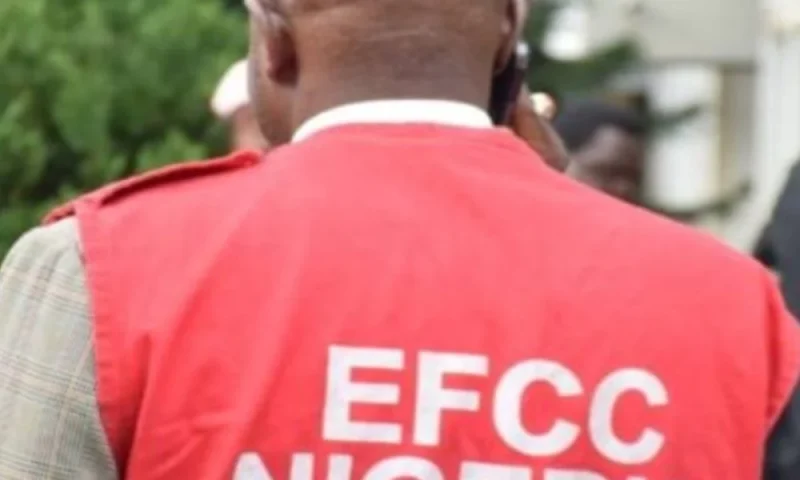
Apart from allegations by the Economic and Financial Crimes Commission (EFCC), Yakubu Adamu faces another hurdle many political analysts consider significant.

Since the return to democratic rule in 1999, no sitting governor in Bauchi State has successfully installed a preferred successor at the end of his tenure.

The state’s political history has consistently favoured change over continuity.

Former governor, Ahmadu Adamu Mu’azu completed two terms between 1999 and 2007 under the PDP but failed to hand over to a successor of his choice, as Isa Yuguda of the ANPP emerged victorious in the 2007 election.

Likewise, Isa Yuguda, who governed the state from 2007 to 2015, could not transfer power to his preferred candidate, as Mohammed Abdullahi Abubakar of the APC won the governorship election in 2015.

Whether Bala Mohammed can break that political jinx may become one of the defining questions of the 2027 race.

Mohammed Abubakar

For the All Progressives Congress (APC), the emergence of Mohammed Abdullahi Abubakar has exposed deep cracks within the party.

The governorship primary triggered the exit of key stakeholders, including Shehu Buba Umar, while many members remain dissatisfied with the process.

Several party members have reportedly defected over allegations of injustice, candidate imposition, and lack of internal democracy.

Aggrieved stakeholders and aspirants accused the APC leadership of sidelining due process during the conduct of governorship, National Assembly, and State Assembly primaries.

They alleged that no genuine direct primaries were conducted and claimed candidates emerged through what they described as imposition rather than democratic selection.

Some groups also accused the Coordinating Minister of Health and Social Welfare, Muhammad Ali Pate, and former governor Isa Yuguda of influencing the emergence of Mohammed Abdullahi Abubakar as the party’s governorship candidate.

Among those who exited the party was the member representing Jama’are/Itas-Gadau Federal Constituency, Hon. Rabilu Bala Kashuri, who resigned following his unsuccessful bid for re-election.

Similarly, Katagum Federal Constituency aspirant, Hon. Tijjani Mohammed Aliyu, accused the party of conducting a flawed primary characterised by predetermined results and violations of party guidelines.

Another APC chieftain, Hon. Abubakar Dahuwa Abdulkadir, also quit the party, describing the process as unfair and undemocratic.

In the same vein, Hon. Sulaiman Sunusi Lalaye, an aspirant for the Bauchi State House of Assembly, cited persistent irregularities and injustice as reasons for leaving the party.

Political tensions escalated further when Senator Shehu Buba Umar dumped the APC for the PRP to pursue his governorship ambition.

Unless urgent reconciliation efforts are undertaken, the APC may struggle to maintain its competitiveness.

Mohammed Abdullahi Abubakar and Minister Muhammad Ali Pate are expected to spearhead efforts to reunite aggrieved members and restore confidence within the party.

APC’s success in healing its internal divisions could ultimately determine how formidable the party remains ahead of the election.

Shehu Buba

Shehu Buba Umar remains one of the strongest contenders in the race owing to his grassroots appeal, political audacity, and growing influence across Bauchi South, the state’s most populous senatorial district.

His defection from the APC and emergence as the PRP governorship candidate have injected fresh momentum into the contest.

Unlike many politicians who depend heavily on party structures, Shehu Buba’s strength is largely rooted in his personal political brand and growing popularity among grassroots supporters.

He enjoys significant influence in Bauchi South, widely regarded as the state’s biggest electoral battleground due to its voting strength.

A commanding performance in the zone could place him in a strong position as the campaign intensifies.

The senator is also expected to benefit from protest votes by APC members dissatisfied with the outcome of the party’s primary election.

For many observers, his candidacy offers a viable alternative for voters seeking change without aligning with the ruling APM.

His role as Chairman of the Senate Committee on National Security and Intelligence has further enhanced his visibility and projected him as a politician with influence beyond Bauchi State.

Nevertheless, significant challenges remain.

The allegation linking him to banditry during his political disagreement with Governor Bala Mohammed is expected to resurface during campaigns. Although the claim was denied and never substantiated, opponents may seek to weaponise it politically.

More importantly, the PRP faces the daunting task of building a statewide structure capable of matching the organisational strength of both the APM and APC.

Political popularity may attract attention, but elections are often won through effective grassroots mobilisation, polling unit management, and voter turnout operations.

For Shehu Buba, the real test will be translating growing public sympathy into a formidable electoral machine.

NDC: ‘You can’t be dictating for everyone’ – Agbonayinwa challenges Seriake Dickson

A Senatorial aspirant for Edo South on the platform of the Nigerian Democratic Congress, NDC, Ehiozuwa Agbonayinwa, has pinpointed what he refers to as the issue facing the NDC.

Agbonayinwa has been vocal regarding his purported exclusion from receiving the party’s ticket for the senatorial district, which he asserted he secured following the NDC primary elections held on May 29.

The former member of the House of Representatives is among the dissatisfied members of the party who are displeased with how the party’s leadership has managed the candidate selection process.

DAILY POST reports that the NDC has not yet disclosed the results of the primary elections for the Senate, House of Representatives, state governors, and state legislatures.

During an appearance on Arise News on Friday, Agbonayinwa stated that the most significant issue within the NDC is that the party’s National Leader, Senator Seriake Dickson, is imposing his will on everyone.

He said, “I think what is wrong is that one man cannot dictate for the whole NDC. You have national leader, you have national chairman, a senator of reput, a wonderful guy, a great guy. I respect him.

“You have the secretary, Barrister Ikenna, wonderful people. You have the national public secretary, they are great men, but at the same time we have the National Organising Secretary, wonderful people working day and night, but guess what? One man cannot detect and decide for the future of members of NDC.

“So for me, I cannot be going to the leader’s house every day waiting from morning till night. This is not democracy, for God’s sake. This is undemocratic.

“Democracy is for the people, by the people. You must allow the people to decide their own faith, I won the senatorial seat. There’s no two ways about it.

“What stopped them from announcing the result for God’s sake? Primary was on May 29, this is June 5. What are they hiding?

“He said they’re featuring one lady, that the lady is going to be giving affirmation, that they need a woman to be among the senator.

“You don’t do that. We went to primaries, those who won should be given the opportunity. Since I have won, I should be given the opportunity.”

Insecurity: Oyo restricts commercial motorcyclists

Seyi MakindeGovernor Seyi Makinde of Oyo State has announced restrictions on the operations of commercial motorcycle riders, popularly known as Okada operators, as part of measures to strengthen security across the state.

Makinde announced the directive in an Executive Order issued on Friday.

The governor, while addressing residents of the state on the ongoing efforts to secure the release of abducted teachers and pupils of Oriire Local Government Area, assured the people that the state government remained committed to ensuring their safe return.

Makinde, in a video seen by Saturday PUNCH, said the operations of motorcycle riders would henceforth be restricted between 10:30pm and 5:30am across the state

He noted that the directive formed part of additional security measures introduced through an executive order aimed at curbing criminal activities and improving public safety.

“With the signing of this executive order, we are also introducing additional measures to enhance security across our state. Consequently, the operations of motorcycle operators, popularly known as Okada riders, will now be restricted between the hours of 10:30pm and 5:30am throughout Oyo State,” the governor said.

Makinde stressed that the government would not relent until the abducted teachers and schoolchildren regained their freedom, describing their continued captivity as painful for their families and communities.

“We will not relent until our teachers and children are returned safely home. Every day they remain in captivity is a painful day for their families, their communities, and all of us in Oyo State. They have not been forgotten, and they have not been abandoned,” he said.

According to him, the government may not be able to disclose details of ongoing rescue operations due to security considerations, insisting that intensive efforts were being made behind the scenes in collaboration with security agencies.

“We may not be able to disclose every step being taken because of the sensitive nature of the operations involved, but I ask our people not to mistake our silence for inaction. A great deal of work is being done behind the scenes, and we remain fully engaged with all relevant security agencies,” Makinde added.

The governor also called on residents to support security agencies by providing useful information that could help prevent crime and improve security in their communities.

“We can create laws and regulations, but their success ultimately depends on the cooperation of our people. This is another opportunity to remind us all that security is a shared responsibility.

“If you see something, say something, and the authorities will do something,” he said.

Makinde further urged residents to make use of the state’s toll-free emergency lines to report suspicious activities and security threats promptly.

The Nigeria Centre for Disease Control and Prevention has raised concerns over what it described as the politicisation of cholera in some parts of the country.

In a situation report obtained by Saturday PUNCH, the agency listed “politicisation of cholera” among the challenges encountered in efforts to contain the disease.

This came as the NCDC disclosed that it had deployed emergency response teams to cholera-affected states as part of measures to curb the ongoing outbreak.

The report detailed ongoing surveillance, laboratory, case management, water sanitation and risk communication interventions being implemented nationwide.

So This Happened (EP 402) reviews: Fayose’s kidnapping allegation sparks backlash

Highlighting the challenges, the NCDC identified politicisation, delayed diagnosis, shortages of critical supplies and weaknesses in surveillance, among other factors, as issues shaping the trajectory of the outbreak.

Although the report did not provide details of specific incidents, public health experts have repeatedly warned that political interference and misinformation can undermine disease surveillance, weaken public trust and delay coordinated outbreak response efforts.

According to the report, active case search operations are ongoing across affected states, while technical support is being provided to state response teams.

“Active case search ongoing in all affected states; remote and on-site support to state teams; SORMAS data validation and harmonisation; active case search team deployed to Kano,” the NCDC stated.

The agency said surveillance officers were also conducting data validation and harmonisation through the Surveillance Outbreak Response Management and Analysis System to improve outbreak tracking and response coordination.

Laboratory testing is being supported through the National Reference Laboratory in Abuja and the Central Public Health Laboratory in Lagos, while healthcare workers have received training on sample management, rapid diagnostic testing and culture procedures.

The report noted that authorities were also following up on the shipment of samples from Maiduguri to the National Reference Laboratory to strengthen case confirmation efforts.

To improve treatment outcomes, the NCDC said healthcare workers across several states had undergone training in cholera case management, infection prevention and control.

It added that infection prevention handbooks had been distributed to health facilities, standard operating procedures developed and needs assessments conducted to strengthen response capacity.

The report further disclosed that specialised training had been conducted for Cholera Treatment Unit teams in Niger State.

On water, sanitation and hygiene interventions, the agency said boreholes had been constructed and rehabilitated in Benue, Edo, Adamawa and Nasarawa states.

According to the report, 112 water points were chlorinated in Adamawa State, while hygiene promotion campaigns reached more than 12,000 people in affected communities.

The agency also stated that community-level interventions were ongoing to reduce exposure to contaminated water sources.

The NCDC said response commodities were being distributed to states battling the outbreak.

“Essential response commodities distributed to all affected states on an ongoing basis,” the report stated.

The agency added that epidemiological trends were being monitored to determine areas that may require vaccination campaigns.

“Epidemiological trends being monitored to guide ICG request for Oral Cholera Vaccine campaigns in high-risk areas.”

Public awareness efforts have also been intensified, with cholera jingles airing in English and local languages, while information, education and communication materials continue to be distributed nationwide.

However, despite the ongoing response, the NCDC warned that several challenges continue to shape the trajectory of the outbreak.

Chief among them is inadequate access to safe drinking water.

“Inadequate access to safe water in affected communities, particularly in urban wards in Maiduguri and Jere, remains the primary driver of ongoing transmission. Without improvements to water supply and quality, case counts may continue to rise,” the agency warned.

The report also blamed delayed diagnosis and reporting for sustaining transmission in affected communities.

“Delayed diagnosis and reporting contributes greatly to this current burden as the diagnosis of acute watery diarrhoea was made for weeks in place of cholera,” the report stated.

According to the agency, delays in seeking medical attention have also contributed to severe illness and avoidable deaths.

“Late/delayed health-seeking behaviour across affected communities means patients are arriving at Cholera Treatment Centres in severe condition, increasing the risk of preventable deaths. Intensified community messaging is a priority.”

The report further highlighted shortages of critical treatment supplies.

“Shortfalls in medical supplies, including Ringer’s Lactate and IV fluids at treatment centres, are being addressed through emergency national resupply. States have been directed to write formally to the Director-General, NCDC, to accelerate this process.”

The agency also expressed concern about weaknesses in surveillance and laboratory systems.

“Surveillance gaps remain at Local Government Area level, with insufficient active case search teams relative to the scale of hotspot areas. Data reporting discrepancies between field teams and SORMAS continue to affect situational awareness.”

On laboratory operations, the report noted, “Laboratory capacity constraints, including limited universal sample containers and low culture positivity rates, are affecting the ability to confirm suspected cases and track laboratory trends accurately.”

The NCDC further warned that insecurity was limiting access to healthcare and emergency response activities in some communities.

“Access constraints in insecure and hard-to-reach Local Government Areas are limiting both treatment availability and response activities, particularly for night-time referrals.”

The report also identified funding shortages as a major obstacle to outbreak control.

“Funding constraints at state level are limiting the scale and sustainability of response interventions, particularly in a state managing concurrent humanitarian emergencies.”

Nigeria continues to experience recurrent cholera outbreaks driven largely by poor access to safe water, inadequate sanitation facilities and weak hygiene practices.

The disease, caused by the bacterium Vibrio cholerae, is spread through contaminated food and water and can lead to severe dehydration and death within hours if left untreated.

Health experts maintain that while emergency response measures are critical during outbreaks, long-term investments in potable water supply, sanitation infrastructure and public health systems remain essential to ending Nigeria’s recurring cholera burden.

Police to enforce monthly environmental sanitation in Borno to fight cholera

The Borno State Police Command has announced plans to enforce the monthly environmental sanitation exercise scheduled for Saturday as part of efforts to curb the spread of cholera following reported outbreaks in parts of Maiduguri and its environs.

The command said the sanitation exercise would hold from 7 am to 10 am on Saturday, June 6, 2026.

In a statement issued on Friday by the Police Public Relations Officer, ASP Nahum Kenneth Daso, on behalf of the state Commissioner of Police, Naziru Abdulmajid, the command said the directive was aimed at promoting environmental hygiene and preventing the further spread of the disease.

According to the statement, the enforcement will be carried out in collaboration with the Borno State Environmental Protection Agency.

“The enforcement is being carried out in collaboration with the Borno State Environmental Protection Agency (BOSEPA) as part of ongoing efforts to promote environmental hygiene and mitigate the spread of the contagious disease across the state,” the statement said.

The police noted that maintaining a clean environment remains one of the most effective ways of preventing cholera and other sanitation-related diseases.

Residents were urged to participate actively in the exercise by cleaning their homes, business premises, drainage channels and surrounding environments.

To ensure compliance, police personnel and other relevant stakeholders will be deployed to strategic locations across the state during the sanitation period.

The command advised members of the public to restrict unnecessary movement and cooperate fully with enforcement officers.

“The Borno State Police Command assures residents of its commitment to safeguarding public health and maintaining public order while calling on all citizens to support government efforts aimed at preventing the further spread of cholera,” the statement added.

The directive comes amid a significant cholera outbreak that has swept through Borno State since early May 2026.

PUNCH Online reported on June 2 that health authorities in the state said at least 39 people have died, while about 4,204 cases of cholera have been recorded across seven local governments.

The command also urged residents to report emergencies or security concerns through the nearest police station or designated emergency lines.