‘People are dying’ – Falana questions benefits of fuel subsidy removal

‘People are dying’ – Falana questions benefits of fuel subsidy removalHuman rights lawyer, Femi Falana, SAN, has questioned the benefits of fuel subsidy removal in Nigeria by President Bola Tinubu.

Featuring in an interview on Channels Television’s Sunday Politics, Falana raised concerns, calling on Nigerians to demand accountability from the national, state and local governments over how increased revenues were being utilised.

He questioned why such funds could not be used to address infrastructure challenges.

According to him, state governments previously repaired roads and would later seek refunds from the Federal Government.

The senior lawyer warned against returning to the “era of the fuel subsidy scam,” arguing that Nigerians deserved to know how the savings from the subsidy removal were being spent.

“Where are they? We must begin to ask questions of the local government, the state government and the Nigerian government.

“If you say we are making more money, we don’t want to go back to the era of the fuel subsidy scam. Where are the benefits? It’s a fallacy being told to wait and wait and wait. People are dying,” he said.

NiMet predicts three days of rain, thunderstorms across Nigeria

The Nigerian Meteorological Agency, NiMet, has predicted varying weather conditions, including sunshine, cloudiness, thunderstorms and rainfall across different parts of Nigeria between Monday and Wednesday.

The forecast was contained in the agency’s three-day weather outlook released in Abuja on Sunday.

For Monday, NiMet said parts of the northern region would experience sunny weather with intermittent cloud cover, alongside thunderstorms and moderate rainfall in some areas.

In the morning, thunderstorms accompanied by moderate rain are expected over parts of Taraba, Adamawa and Kaduna states. By afternoon or evening, similar conditions are forecast for parts of Borno, Bauchi, Gombe, Jigawa, Katsina, Kano, Kaduna, Adamawa and Taraba states.

Power sector loses N1.36tn to revenue leakages – NERC

NERCNigeria’s electricity sector suffered a revenue shortfall of about N1.36tn in 2025 as power distribution companies failed to bill consumers for electricity worth N694.8bn and also failed to collect another N669.5bn from bills already issued, according to the Nigerian Electricity Regulatory Commission.

The figures were contained in NERC’s 2025 Annual Report, which showed that the 11 DisCos supplied electricity valued at N3.68tn during the year but billed customers for only N2.99tn, representing a gross billing efficiency of 81.14 per cent.

This means that electricity worth about N694.8bn supplied to consumers was not billed. According to the report, of the N2.99tn billed, the DisCos collected only N2.32tn, leaving N669.49bn outstanding. The combined billing and collection gap consequently amounted to about N1.36tn.

NERC stated, “The total billing to electricity consumers by the DisCos was N2.99tn, but only N2.32tn was collected, translating to a collection efficiency of 77.60 per cent.”

The commission also reported that DisCos received 31,251.77 gigawatt-hours of electricity at their trading points but billed customers for only 25,867.86GWh, giving an energy accounting efficiency of 82.77 per cent. Ibadan DisCo recorded the highest energy accounting efficiency at 88.84 per cent, while Enugu recorded the lowest at 72.18 per cent.

The commercial losses in the power sector have drawn criticism from former senator and businessman, Ben Murray-Bruce, who argued that the country’s electricity privatisation had failed to deliver the investment and reliability Nigerians were promised.

In an open letter to President Bola Tinubu, Murray-Bruce said the country needs to stop pretending that the existing electricity model is working. He wrote, “The 2013 privatisation was not a reform. It was a transfer of custody.”

According to him, the problem was that investors acquired electricity assets without possessing the financial capacity required to rebuild and expand them.

“The men and women who bought the GenCos and the DisCos had enough money to purchase the assets. They did not have enough money to run them. Owning a power station and capitalising a power station are two different economic acts, and we confused them,” he said.

Murray-Bruce’s comments come against the backdrop of NERC’s findings that the weighted average aggregate technical, commercial and collection loss across the DisCos stood at 37.03 per cent in 2025.

The figure comprised 18.86 per cent technical and commercial losses and 22.40 per cent collection losses and was 16.49 percentage points above the 20.54 per cent target under the 2025 Multi-Year Tariff Order.

The former senator said the financial weakness of the distribution companies had become particularly troubling because they remained responsible for collecting electricity revenue from consumers.

He decried the fact that millions of active electricity customers were still unmetered, adding that the situation had allowed estimated billing to persist.

“A meter is a machine that tells the truth. An estimated bill is a machine that does not. An industry that cannot generate power has discovered it can still generate revenue by billing darkness,” Murray-Bruce stated.

NERC’s latest annual report puts the number of active registered customers at 12.16 million as of December 2025, with 6.97 million, or 57.27 per cent, metered. This leaves 5.20 million customers, representing a 42.73 per cent metering gap.

The regulator said DisCos installed 972,040 meters during 2025, with Ibadan accounting for the highest number at 180,256 and Yola the lowest at 14,231.

Beyond the distribution companies, Murray-Bruce said the generation companies also had legitimate grievances over unpaid obligations but argued that all participants in the electricity market had to accept responsibility for its failures.

“To the GenCos: you are owed. That is true, and I will not pretend otherwise. But you contracted into a market you knew was insolvent, and you have spent a decade lobbying for tariffs and bailouts rather than capital. You cannot be a private company on the day the tariff rises and a public charity on the day the invoice falls due,” he wrote.

The NERC report confirms a significant liquidity problem in the market. It said the Nigerian Bulk Electricity Trading Company and the market operator issued gross invoices of N1.72tn to the DisCos in 2025 for energy costs and administrative services, but the DisCos remitted N1.632tn, leaving a market shortfall of N89.58bn.

The government also remained a major financier of the electricity market through tariff subsidies. NERC said the Federal Government incurred a subsidy obligation of N1.93tn in 2025, equivalent to 57.44 per cent of the total N3.357tn NBET invoice for the year.

The regulator said the subsidy was “largely attributable to the FGN’s policy to freeze allowed tariffs paid by customers despite the increase in cost-reflective tariffs.”

Murray-Bruce, however, maintained that the government’s spending had failed to translate into reliable electricity, pointing to what he described as the enormous public cost of keeping the sector afloat. “Roughly N10tn of public money has gone into this sector in 13 years, and the lights are still off,” he said.

He also challenged the Federal Government to rethink the structure of the electricity market rather than continue with a centrally driven model. “Every village, every estate, every community in Nigeria should have its own PHCN,” Murray-Bruce proposed.

Under his proposal, communities and estates would develop their own metered solar generation, with state governments providing guarantees for financing and residents paying regulated tariffs.

He suggested that state governments should take responsibility for powering streetlights, police stations, primary healthcare centres and schools, while the Federal Government should focus on federal institutions and infrastructure.

The commission recorded two grid collapse incidents during the year: one full collapse and one partial collapse. The full collapse occurred on September 10, 2025, while the partial collapse on December 29 was linked to the failure of the Benin-Onitsha 330kV line’s one circuit breaker at the Benin transmission station.

Meanwhile, the former senator also urged Nigerians to hold state governments accountable for electricity responsibilities devolved under the new legal framework. “Stop blaming the president for the darkness in your street. Since 2023, electricity has been a concurrent responsibility,” he wrote.

The NERC figures show that the electricity sector’s financial difficulties are not limited to the N1.36tn gap between electricity supplied, billed and collected.

The combination of poor billing, weak collections, high technical and commercial losses, incomplete metering, market under-remittances and the government’s huge tariff subsidy obligation points to a sector struggling to convert electricity supplied into sufficient revenue to sustain the entire value chain.

For consumers, the problem is compounded by the fact that more than four in every 10 active customers remained unmetered at the end of 2025, while DisCos collectively failed to bill nearly one-fifth of the electricity supplied to them.

Dangote considers cutting petrol supply to importers

Dangote refineryThe Dangote Petroleum Refinery and Petrochemicals says it is considering stopping the sale of petrol to major marketers that continue to import petrol into Nigeria, amid concerns over product quality and the blending of imported fuel with products supplied by the refinery.

The proposed measure could take effect as early as this week, subject to further consultations and any last-minute intervention, according to sources familiar with the situation.

The immediate concern is that some marketers are allegedly blending imported PMS with petrol purchased from the Dangote refinery before distributing the resulting product to the market.

The refinery is concerned that such practices could make it difficult to distinguish between products supplied directly by Dangote and products subsequently blended or handled by third parties.

“It is difficult to understand why we would invest heavily in producing high-quality petroleum products for Nigerians, only for those products to be mixed with imported products of uncertain quality and the resulting product to be associated with the refinery,” a senior official at the $20bn Lekki-based plant, who spoke in confidence due to the lack of authorisation to speak on the matter, stated.

The refinery has also raised concerns about what it called a lack of a standard laboratory and adequate quality-control infrastructure for imported petroleum products, particularly the capacity to independently verify and certify the specifications of products entering the Nigerian market.

The latest development comes barely days after the Dangote refinery warned that rising petrol imports were forcing it to export excess stocks despite having sufficient capacity to meet Nigeria’s domestic demand.

The refinery said imported PMS accounted for approximately 43 per cent of fuel supplied into the Nigerian market in July, saying the continued issuance of petrol import licences had created uncertainty over domestic demand and made production and inventory planning increasingly difficult.

Dangote said it had consistently maintained sufficient inventory and reserved product volumes to guarantee steady supply to the Nigerian market, but argued that keeping large stocks indefinitely was becoming commercially unsustainable when it could not determine how much imported petrol would enter the country.

“As a responsible energy provider, we have always endeavoured to keep adequate reserves to satisfy local demand at all times. However, in an environment where significant volumes of imported PMS continue to enter the market through licences issued by the regulator, and where there is limited visibility on future import volumes, it becomes commercially unsustainable to continue holding excess inventory indefinitely.”

The refinery said the surplus petrol that could not be absorbed by the domestic market would consequently have to be exported to regional and international markets.

The proposed restriction on sales to importing marketers now adds a new dimension to the refinery’s concerns, as Dangote moves from highlighting the commercial impact of rising imports to considering measures that would prevent marketers from sourcing its petrol while simultaneously importing competing products.

Access Holdings Board approves H1 2026 financials

Access Holdings PlcThe Board of Directors of Access Holdings Plc has approved the Group’s audited interim consolidated and separate financial statements for the half-year ended 30 June 2026.
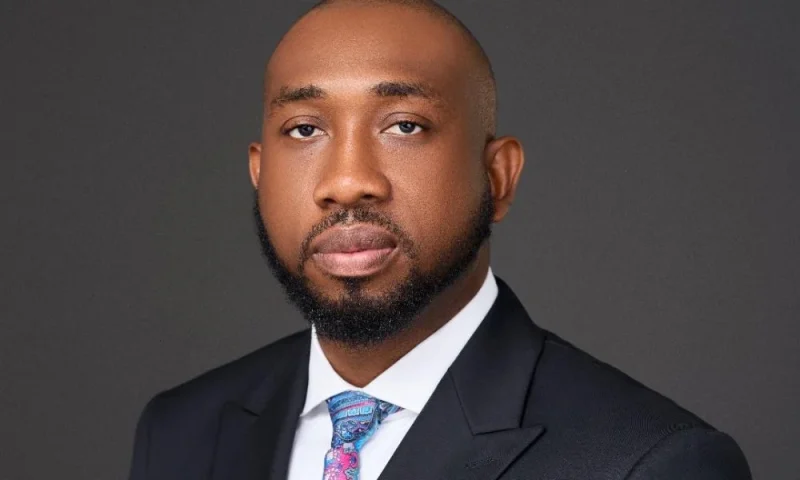
The decision was taken during the board’s meeting held on 27 August 2026, marking a significant step in the group’s financial reporting calendar.

“The financial statements were considered and approved by the Board at its meeting held on 27 August 2026 and will now proceed through the required regulatory process, including approval by the Central Bank of Nigeria,” the company announced in a statement following the meeting.

The approval clears the path for the financial institution to move into the final administrative phase of its mid-year audit process, as the group must secure statutory sign-off from the apex bank before the results can be released to the investing public.

“Following receipt of the CBN’s approval, Access Holdings will publish the audited financial statements through the Nigerian Exchange Limited and make them available to shareholders, investors and other stakeholders through the Group’s established communication channels,” the company added.

Outlining the core principles driving its financial disclosure, the group emphasised its commitment to regulatory compliance and operational transparency across its global operations.

“The process reflects Access Holdings’ commitment to strong governance, regulatory compliance and transparent engagement with its stakeholders as it continues to build a more connected and resilient financial services group serving Africa and its international markets,” the statement noted.

In adherence to capital market rules, Access Holdings confirmed that restrictions on share trading by internal stakeholders remain strictly in force.

“In accordance with the NGX Issuers’ Rules, Access Holdings will remain in a closed period until 24 hours after the audited financial statements have been released to the public,” the company stated.

The institution concluded with a clear directive regarding trading boundaries for key insiders: “During this period, directors, insiders and their connected persons are prohibited from dealing, directly or indirectly, in the securities of Access Holdings Plc.”

The public market release of the audited statements on the NGX is expected shortly following the completion of the CBN’s review process.

In the Nigerian banking sector, Tier-1 financial institutions like Access Holdings are subject to regulatory oversight by the CBN and the NGX, requiring commercial banks and holding companies to submit interim and annual financial statements to the apex bank for formal review and approval before public dissemination.

This vetting process ensures systemic risk management, compliance with capital adequacy standards and accurate representation of non-performing loans across multi-jurisdictional operations.

Capital market rules enforced by the NGX also require listed entities to observe a closed period prohibiting directors, key management personnel and connected insiders from trading the company’s shares to prevent insider trading and ensure market fairness while price-sensitive financial information awaits regulatory clearance.

Nigeria’s July Remittances Hit Record $947m, Near CBN’s $1bn Monthly Target

Nigeria’s remittance inflows through International Money Transfer Operators (IMTOs) rose to a record $947 million in July 2026, bringing the country within sight of the Central Bank of Nigeria’s (CBN) $1 billion monthly target.


The July inflow represents the highest monthly remittance recorded through formal channels and underscores the growing impact of reforms introduced by the apex bank to attract more diaspora funds into the formal financial system.


Cumulative remittance inflows through IMTOs stood at $3.8 billion in the first seven months of 2026, representing a 50.2 per cent increase compared with the corresponding period in 2025.


CBN Governor, Olayemi Cardoso, said the latest figures showed that the bank’s ambition to raise formal monthly remittance inflows to $1 billion was increasingly within reach.


“When we set a clear ambition to reach US$1 billion a month in remittance inflows through formal channels nearly two years ago, some people thought we were dreaming. At US$947 million in July, we are now approaching that milestone,” Cardoso said.


The increase has followed a series of measures by the CBN aimed at making formal remittance channels more competitive, transparent and accessible.


Among the reforms are the adoption of a more market-determined exchange rate, changes to the regulatory framework for IMTOs, and the introduction of the Non-Resident Bank Verification Number (NRBVN).


The apex bank has also intensified engagement with IMTOs, commercial banks and Nigerian diaspora communities while strengthening requirements for remittance transactions to be routed through designated settlement accounts with authorised dealer banks.


According to the CBN, the rise in formal remittance inflows goes beyond the increase in headline figures, as stronger diaspora flows can improve foreign exchange liquidity, enhance transparency and support household consumption and investment.
The increased inflows could also strengthen Nigeria’s external financing position by providing a more reliable source of foreign exchange.


The apex bank, however, said it was not placing emphasis on individual monthly figures, noting that remittance flows could naturally fluctuate from month to month.


Cardoso said the priority was to sustain the broader upward trend and deepen the shift from informal to formal remittance channels.
“July is an important marker, but our focus is not on a single month. It is on creating the conditions for sustained growth in formal remittances,” he said.


He added that the CBN expects the improvement to continue, expressing confidence that Nigeria could not only reach but ultimately sustain monthly formal remittance inflows above $1 billion.
The CBN said it would continue to deepen engagement with Nigerian diaspora communities and financial-sector stakeholders across major remittance corridors.


Through engagements in key global financial centres, the bank said it would work with diaspora groups, IMTOs, banks and other stakeholders to reduce transaction frictions, expand access and encourage a greater proportion of remittance flows to pass through formal channels.

2027 election will be won at grassroots, not through noise – Gov Abiodun’s aide

2027 election will be won at grassroots, not through noise – Gov Abiodun’s aideThe Special Adviser to the Ogun State Governor on Housing, OPIC and Special Projects, Farooq Adenugba, has said the 2027 general election will not be won by political noise, slogans or last-minute mobilisation but through sustained grassroots engagement, unity and effective organisation.
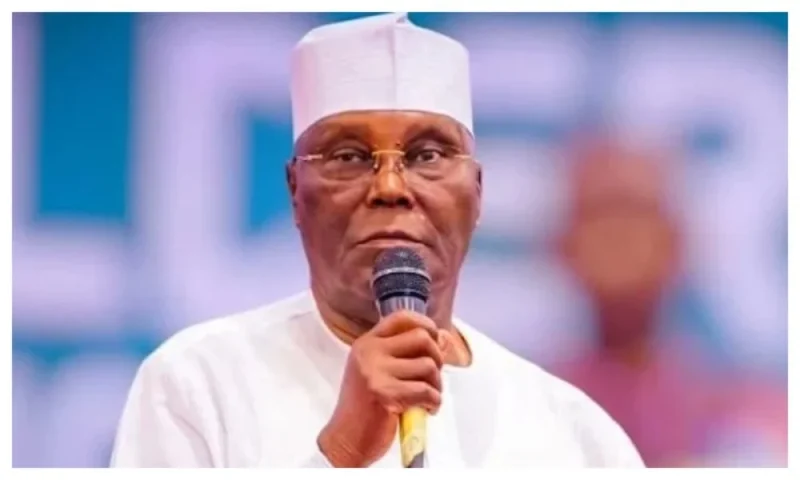
Adenugba stated this on Friday in Ago-Iwoye, Ijebu North Local Government Area, where he combined a youth mentorship programme with the inauguration of his political team ahead of the 2027 general elections.

The political mobilisation came shortly after Adenugba addressed secondary school students at a special counselling and mentorship session organised by the Prince Segun Kaka Foundation, PSK, in collaboration with the Academic Excellence Initiative, AEI, Ijebu Zone.

The programme, held at the Imososi Primary School Hall, Ago-Iwoye, was hosted by Segun Kaka, Member of the Ogun State House of Assembly representing Ijebu North State Constituency II, and themed, ‘Failing Forward’.

Speaking to the students, Adenugba urged them not to allow failure, setbacks or difficult circumstances to define their future, stressing that resilience, discipline, education and the courage to pursue opportunities were essential ingredients for success.

“A setback should never become a full stop in your life,” he told the students. “Failure can become a teacher if you are determined to learn from it and move forward.”

He encouraged the students to take their education seriously, discover and develop their talents, acquire useful skills and remain focused despite the challenges they might encounter.

According to him, young people require deliberate platforms through which they can interact with experienced leaders, acquire knowledge and develop the confidence needed to compete in an increasingly demanding society.

Adenugba also spoke about leadership, career development, perseverance, character and purposeful living.

He charged them to establish an effective grassroots network that can coordinate political activities ahead of the 2027 elections.

Adenugba said his structure was not intended to operate separately from the All Progressives Congress, APC, but to complement the party’s existing grassroots machinery through organised mobilisation, communication and sustained engagement.

“2027 will not be won by noise or slogans alone. It will be won through organisation, constant engagement, unity, and the ability to reach the people at the grassroots,” he said.

Members were consequently urged to avoid unnecessary divisions and personal interests, while working collectively towards the broader political objectives of the party.

2027: I’ll implement Oronsaye Committee Report – Atiku

2027: I’ll implement Oronsaye Committee Report – AtikuThe African Democratic Congress, ADC, presidential candidate, Atiku Abubakar, has stated that he will implement the Oronsaye Committee Report if elected president in the forthcoming 2027 general elections.
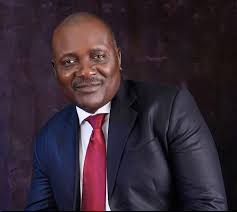
Atiku, in a statement posted on Friday by his spokesman, Mr Kenneth Okonkwo, said the Oronsaye Report gave Nigeria a clear roadmap to reduce waste, duplication and the cost of governance.

According to him, President Bola Tinubu failed to implement the report even though he had promised to do so, noting that the president instead multiplied the agencies to include even fake ones.

He assured Nigerians that the Oronsaye Report would not remain on the shelf but would be implemented fully and transparently.

Former GOCOP President Dotun Oladipo Burial Arrangements Announced By Family

The family of The Eagle Online publisher, Dotun Oladipo, has announced September 10 and 11, 2026 as the dates for the funeral programmes of the journalist and media entrepreneur.
Oladipo died on Tuesday, August 25, at the age of 56.

According to the family, a service of songs will hold at DayStar Church, Oregun, Ikeja, on Thursday, September 10.

The burial service will take place at the same venue on Friday, September 11, followed by his interment.

Oladipo was president of the Guild of Corporate Online Publishers (GOCOP) from 2017 to 2021 and was among the foundational members who helped shape the association during its formative years.

GOCOP President, Danlami Nmodu, described his death as a painful loss to the Guild and recalled his contribution to the development of online publishing in Nigeria.

“Dotun played an important role in the development of GOCOP. He led the Guild for four years at a time when there was still a lot of work to be done to establish online publishers as an important part of the media. His contribution will always be remembered,” Nmodu said.

Nmodu said Oladipo brought his experience as a journalist and publisher to the leadership of the Guild.

“Dotun understood journalism and he understood the business of publishing. He was passionate about the place of online media in Nigeria and he gave his time to the growth of the Guild. We are saddened by his passing,” Nmodu said.

Oladipo was also a member of the Nigerian Guild of Editors (NGE) and the International Press Institute (IPI Nigeria), and was active in the development of Nigeria’s online publishing industry.

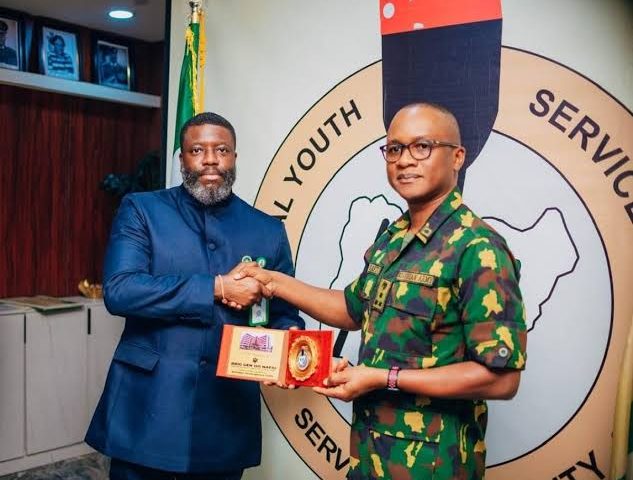
NYSC, JAMB Embarks On Strong Partnership

The National Youth Service Corps (NYSC) has reaffirmed its commitment to strengthening its collaboration with the Joint Admissions and Matriculation Board (JAMB) in the interest of the public.

The NYSC Director General, Brigadier General Olakunle Nafiu, stated this when he received the JAMB Registrar/Chief Executive Officer, Professor Segun Aina in his office in Abuja.

General Nafiu congratulated Professor Aina on his appointment, noting that his experience as a former Corps Member who served with JAMB, coupled with his wealth of professional experience, would contribute significantly to his success in the new assignment.

He described JAMB as a foremost partner in the NYSC mobilisation process, which provides the Scheme primary data required for the online registration of prospective Corps Members.

“We thank the Management of JAMB for their support over the years. We believe so much in the credibility of JAMB, and we have enjoyed seamless API data sharing with JAMB,” the DG stated.

The JAMB Registrar, Professor Segun Aina, called for deeper collaboration with NYSC to optimise the services of Corps Members and add greater value to their service experience.

Professor Aina said his experience as a Corps Member had significantly influenced his career choices and prepared him for his current responsibility.

He explained that JAMB would continue to maintain strict standards on requests for changes to candidates’ data, while allowing flexibility in genuinely peculiar cases arising from the mobilisation process, without compromising the integrity of its records.

The Registrar disclosed that a new framework involving NYSC, the National Identity Management Commission (NIMC) and JAMB, aimed at making data changes more seamless, would soon be unveiled.

He also requested the deployment of Corps Members to JAMB offices to serve as customer service representatives.

“We want to speak directly to the young people, we want to speak the language of young people, and we need other young people to help us do it”.

“We want to build an army of customer service representatives by using Corps Members,” he added.