Easter: Kwara police deploy massive personnel for adequate security

Kwara State Police Command has deployed massive personnel for extensive security across the state ahead of the Easter celebrations to ensure a peaceful and hitch-free festival.

According to the State Police Public Relations Officer, Adetoun Ejire Adeyemi, in Ilorin on Friday, “personnel have been strategically positioned at churches, event centres, highways, recreational locations, and other public spaces.”

“At the same time, patrol teams and tactical units have been mobilised to maintain security and provide rapid response where necessary,” she added.

The state Commissioner of Police, Adekimi Ojo directed all Area Commanders, Divisional Police Officers, and Heads of Tactical Units to intensify visibility policing, sustain intelligence-led operations, and remain on a high level alert throughout the festive period.

He also instructed them to maintain close coordination with religious leaders within their jurisdictions to ensure effective security coverage during the celebrations and beyond.

The CP further charged officers to conduct themselves with the highest level of professionalism, civility, and respect for fundamental human rights in their interactions with members of the public.

The command urged residents to remain vigilant, security-conscious, and to promptly report any suspicious persons or activities to the nearest police station or through the Command’s Control Room numbers: 07032069501 or 08125275046.

Parents and guardians have also been advised to keep close watch over their children and wards during the festivities.

The command reiterated its commitment to protecting lives and property and called on residents to continue cooperating with the police in maintaining peace and order across the state.

Stanbic IBTC Sets Growth Agenda For Key Industries At Inaugural Nigeria Business Summit

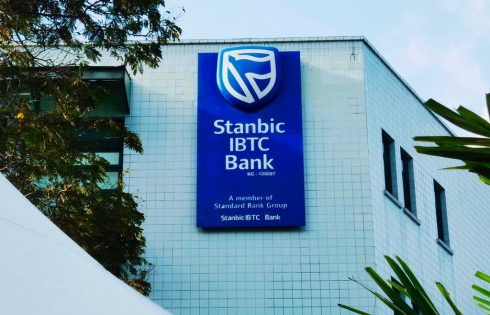
Stanbic IBTC, has successfully hosted the 2026 edition of the Nigeria Business Summit from Wednesday, 01 April to Thursday, 02 April 2026, at the Landmark Event Centre, Victoria Island, Lagos.

The two-day summit brought together industry leaders, policymakers, entrepreneurs and stakeholders across multiple sectors to explore sustainable business practices, foster economic growth and unlock global trade opportunities.

With the theme, ‘Nigeria Means Business: Powering Sectors, Growing Sustainable SMEs & Unlocking Global Trade’, the summit addressed critical issues across key sectors, including agribusiness, renewable energy, trade and Africa–China banking, as well as ICT and telecommunications. Additional sessions covered areas such as family business sustainability, artificial intelligence, employee value banking, insurance, pension and wealth management.

The event featured a keynote address by the Minister of Finance and Coordinating Minister of the Economy, Wale Edun, who emphasised the urgent need for Nigeria to reposition itself as a leading export-driven economy to achieve sustained growth.

“Our true potential lies in becoming a leading export economy,” Edun stated. “Increased participation in regional and global trade will be critical to diversifying foreign exchange earnings and driving inclusive growth.”

He noted that while Nigeria’s GDP growth has improved to approximately 4 per cent, it remains below the level required to significantly reduce poverty. According to him, the country’s economic strategy is now shifting from stabilisation to growth acceleration, with trade expansion playing a central role.

Edun highlighted ongoing reforms, including improved foreign reserves, rising non-oil revenues and renewed investor confidence, as indicators of a more resilient economy. However, he stressed that enhancing trade competitiveness would require continued investment in infrastructure, logistics and policy coordination. He also highlighted the importance of small and medium-sized enterprises (SMEs), which account for over 90 per cent of businesses, noting that inclusive growth will depend on stronger collaboration between the public and private sectors.

Participants engaged in a rich line-up of activities, including expert presentations, panel discussions and high-level networking opportunities. Highlights of the summit included the Africa Trade Barometer presentation, client testimonial showcases and insightful discussions on the state of the African economy and intra-African trade opportunities.

Breakout sessions on agribusiness, ICT and healthcare, Africa-China banking and Trade as well as renewable energy provided attendees with deeper, practical insights into some of the most critical sectors driving Nigeria’s economic future.

Speaking at the event, Chuma Nwokocha, Chief Executive of Stanbic IBTC Holdings, represented by the organisation’s Chief Finance and Value Management Officer, Kunle Adedeji, emphasised the importance of collaboration and innovation in driving sustainable growth.

“This summit has reinforced the importance of creating platforms where ideas can flourish and businesses can grow sustainably. By working together, we can unlock new opportunities and drive economic advancement across Nigeria and the African continent,” he said.

The summit also spotlighted practical strategies for integrating sustainability into business operations, encouraging organisations to adopt environmentally conscious practices while maintaining profitability and competitiveness.

Remy Osuagwu, Executive Director, Business & Commercial Banking, expressed satisfaction at the level of interest from participants, a critical element for a successful summit.

“From our conversations on energy and healthcare to the deep dives into trade, Africa-China relations, and agribusiness, Day 1 has offered perspectives that were both insightful and practical. I believe we’re all leaving with a stronger understanding of the opportunities emerging across our industries” Remy said.

He acknowledged the level of engagement, questions, contributions and willingness of participants to share experiences; describing this as the real power of the Nigeria Business Summit, and a solid foundation for tomorrow.

The Chief Executive of Stanbic IBTC Bank, Wole Adeniyi, who was represented by Bunmi Dayo-Olagunju, Deputy Chief Executive of Stanbic IBTC Bank, opened Day Two of the Nigeria Business Summit by highlighting the focus of the summit’s SME Day.

Bunmi said, “Today, we build on Day One’s momentum with conversations that are equally critical for the future – from the dynamics of family businesses to the growing influence of artificial intelligence; the evolution of insurance, and the emerging space of electric vehicle banking.”

She further added, “Our goal on Day Two is simple: to explore what’s next. To understand how these developments will shape our businesses and how we can position ourselves ahead of the curve.”

Stanbic IBTC’s inaugural Nigeria Business Summit stands as a testament to the organisation’s commitment to empowering businesses, strengthening key sectors and positioning Nigeria as a competitive player in the global economy.


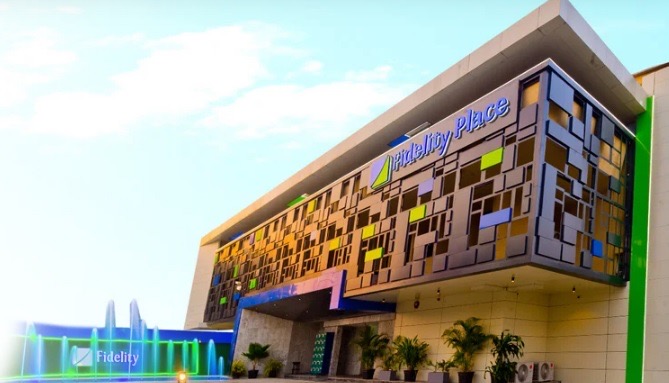
Fidelity Bank Partners Aircraft Finance Germany To Grow African Aviation Industry

Fidelity Bank Plc, has announced the signing of a strategic partnership agreement with Aircraft Finance Germany (AFG) to advance the aviation sector in Nigeria and across Africa by both organisations.

The agreement was formally executed by Mr. Christian Hatje, Managing Director, Business Aviation and SVP Commercial, representing AFG; and Mr. Stanley Amuchie, Executive Director and Chief Operations and Information Officer of Fidelity Bank Plc at a signing ceremony in Germany recently.

Speaking at the signing ceremony, Mr. Christian Hatje stated, “This partnership marks a significant milestone in our commitment to Africa’s aviation future. Partnering with Fidelity Bank, Nigeria’s leading aviation financier, we are confident in our ability to structure solutions that will drive meaningful growth across the sector.”

Through this partnership, both institutions will work closely to identify, finance, and grow aviation opportunities across the continent. The collaboration aims to provide innovative leasing and financing solutions that support airlines, aviation operators, and related stakeholders in expanding capacity, modernizing fleets, and strengthening operational and fleet efficiency.

“Fidelity Bank remains dedicated to supporting the aviation industry through tailored financial solutions. Our collaboration with AFG strengthens our capacity to provide sustainable financing that will contribute to the expansion of aviation in Nigeria and across Africa,” explained Mr. Stanley Amuchie.

This partnership reflects a shared vision to foster long-term development, stimulate investment, and create sustainable opportunities within the African aviation industry.

Nigeria remains a strategic hub for aviation development in Africa. By combining AFG’s leasing expertise with Fidelity Bank’s deep sector knowledge and financial strength, the partnership is positioned to unlock new growth pathways and enhance the sustainability of the aviation ecosystem.

This collaboration in Africa forms part of AFG’s broader global portfolio expansion strategy, reflecting the company’s continued commitment to structured aviation investments across multiple international markets.

Fidelity Bank is regarded as a market-leader in the Nigerian aviation industry with a long list of interventions across the value chain. Its aviation finance solutions support aircraft acquisition and leasing, route expansion, aviation infrastructure development, cargo and export enablement; and partnership structures for large projects.

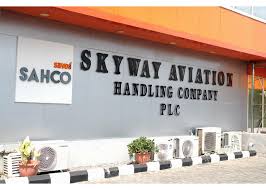
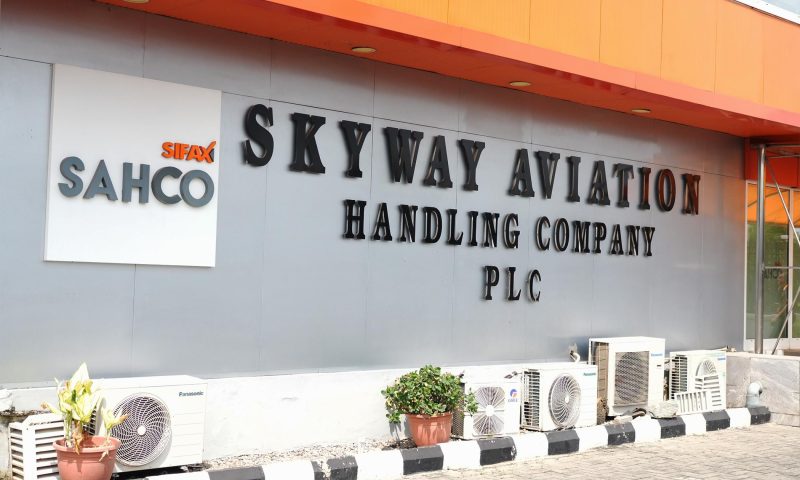
Skyway Aviation Handling Company Posts Strong Profit

Skyway Aviation Handling Company Plc delivered a robust financial performance for the year ended December 31, 2025, with profit after tax more than doubling to N11.73 billion, underscoring strong operational momentum and improved efficiency across its business lines.

The company’s audited results show revenue rose significantly by 54 per cent to N44.46 billion in 2025, up from N28.94 billion recorded in 2024. The growth was driven largely by increased demand for passenger and cargo handling services, alongside improved contributions from ancillary and Value Chain operations.

Costs of sales also climbed during the period, rising to N18.98 billion from N12.56 billion in the prior year. However, the increase was outpaced by revenue growth, resulting in gross profit expanding to N25.48 billion from N16.38 billion in 2024.

Operating performance remained strong, with profit from Operations nearly doubling to N14.62 billion compared with N6.53 billion recorded a year earlier. This was achieved despite higher administrative expenses, which rose to N11.24 billion from N10.05 billion, reflecting inflationary pressures, increase in utility and increased personnel costs.

After accounting for a tax expense of N2.55 billion, profit after tax stood at N11.73 billion, representing a 142 per cent increase from N4.83 billion in the previous year.

Total comprehensive income for the year came in at N11.42 billion, compared with N6.89 billion in 2024, reflecting a foreign exchange loss of N314.5 million during the period, in contrast to a gain recorded in the prior year.

The company’s balance sheet remained solid, with total assets increasing to N56.58 billion as at December 31, 2025, from N41.78 billion in 2024. The growth was largely driven by a significant rise in property, plant and equipment, which climbed to N24.61 billion from N16.03 billion, indicating continued investment in operational capacity.

Shareholders’ equity also strengthened, rising to N39.87 billion from N29.27 billion, supported by retained earnings growth to N21.74 billion.

Cash flow generation improved markedly, with net cash inflow from operating activities rising to N13.47 billion from N5.01 billion in the previous year. The company ended the year with cash and cash equivalents of N5.70 billion, up from N3.03 billion in 2024.

Despite increased capital expenditure of over N11 billion on fixed assets, Skyway maintained positive financing cash flow, supported by additional borrowings during the year.

Earnings per share rose to 867 kobo from 357 kobo in 2024, reflecting the strong profitability performance and enhanced shareholder value.

The company, however, declared a final dividend of N1.6 billion to its shareholders for the year under review.

Overall, Skyway Aviation Handling Company’s 2025 results highlight strong revenue expansion, good operational efficiency, and sustained investment in infrastructure, positioning the firm for continued growth amid rising demand in Nigeria’s aviation services sector.
Speaking on the Company’s financial performance, the Managing Director/CEO stated that the results reflect the strength of SAHCO’s strategic direction, the resilience of its business model, and the unwavering commitment of its workforce. She noted that despite a challenging operating environment marked by inflationary pressures and rising costs, the Company sustained strong margins and nearly doubled its operating profit.
Dr. Barr Taiwo Afolabi (CON), Chairman of Skyway Aviation Handling Company PLC commenting on the financial report, emphasized that sustained investments in modern equipment and infrastructure have been instrumental in driving operational efficiency, enhancing service delivery, and positioning SAHCO for long-term growth.

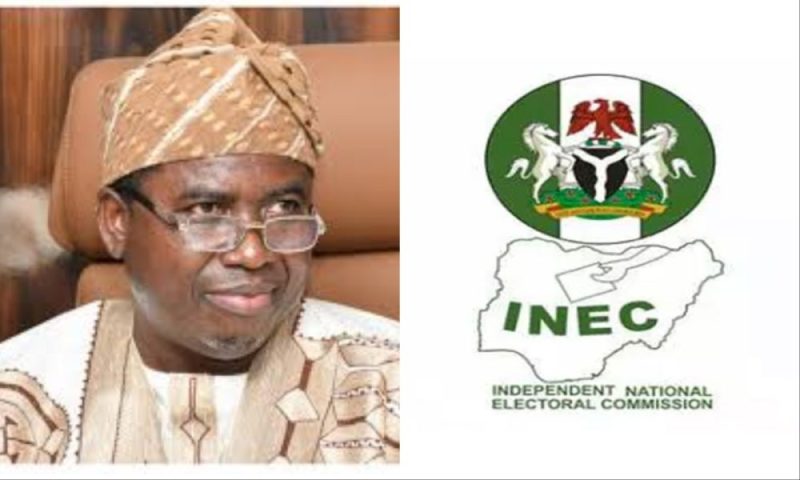
BREAKING: INEC dismisses calls for Amupitan’s removal, clarifies action against ADC leaders

The Independent National Electoral Commission, INEC, has reacted to the call made by the African Democratic Congress, ADC, for its Chairman, Prof. Joash Amupitan to resign immediately.

During their World Press Conference in Abuja on Thursday, ADC, through its national Chairman, David Mark called for the sack or resignation of Amupitan, alleging partisan bias.

This was on account of the decision of the Commission to remove the name of the party’s leaders from its portal a decision it described as obedience to a recent Court of Appeal Judgment.

The Commission said it recognises the right of stakeholders to express their views, but said it was imperative to clarify that INEC is a creation of the Constitution of the Federal Republic of Nigeria.

A statement signed by Adedayo Oketola, the Chief Press Secretary to the INEC Chairman noted that the appointment, tenure, and removal of the Chairman and National Commissioners are strictly governed by Section 157 of the 1999 Constitution (as amended).

“The Chairman does not hold office at the pleasure of any political party or interest group. Any call for removal outside the established constitutional process is not only a distraction but a direct assault on the independence of the nation’s electoral umpire,” it said.

“While a political party or a group is allowed to protect their interest, the Commission decided to comply with the Judgment of the Court of Appeal to avert a situation that occurred in Zamfara State and Plateau State where elected officials were removed by the Election Tribunal on account of the disobedience of Court Judgment.

“In addition, the Commission did not want to disobey the preservative order of the court not to do anything or take any step that would render the processes already filed at the Federal High Court nugatory.

“Proceeding to monitor the congress and convention of the David Mark-led ADC would amount to a disobedience of that order since the relief claimed in the Originating Summons and other court processes filed include an order restraining INEC from monitoring any meeting, congress and convention of the party.

“Additionally, it was only on the 9th of September 2025 that INEC accepted and approved David Mark’s Exco, which was seven days after the matter was filed at the Federal High Court.

“The order to maintain status quo ante bellum means the position of the parties before the beginning of hostilities. It is either that INEC obey the order of the Court of Appeal fully or refuse to obey it. Section 287(2) of the Constitution of Nigeria, 1999 mandates every person and authority in Nigeria not only to obey the Judgment of the Court of Appeal but also to enforce such Judgment.

“Far from undermining the multi-party system, the Commission under Professor Joash O. Amupitan, SAN, has actively expanded the democratic space. The recent registration and recognition of the Democratic Leadership Alliance (DLA), the Nigeria Democratic Congress (NDC) and National Democratic Party (NDP), bringing the total number of active political parties to 22, is an empirical rebuttal to any claim of a one-party agenda. INEC remains a neutral regulator, not a participant in political competition.

“The Commission’s updates to party leadership records are strictly anchored on compliance with subsisting court orders and statutory requirements under the Electoral Act 2026.

“INEC will not be drawn into the internal strife within political parties, nor will it allow itself to be used as a proxy for resolving organisational challenges that belong to the parties themselves, especially when the Court of Appeal has ordered that the matter be granted accelerated hearing.”

The Commission also said that it has noticed an attempt to politicise the planned nationwide Voter Revalidation exercise.

“The decision to revalidate the Voters Register pre-dates the appointment of Professor Amupitan. The proposed nationwide voter revalidation exercise is a professional necessity to strengthen the integrity of the National Register of Voters. The current register includes data spanning from 2011 to 2024. This exercise is designed to sanitise the register and is to be executed in phases,” it added.

“The revalidation is intended to confirm the status of registered voters, address issues arising from transfers, multiple registrations and deceased persons, and enhance the reliability of voter data in Nigeria. It is an administrative audit, not a fresh registration.

“It is not targeted at any region, party, or demographic. It is a uniform, transparent process that will be conducted across all Local Government Areas and Polling Units, with robust digital options for ease of access. All the stakeholders will be carried along on this issue.

“The Commission is currently focused on the surgical precision required for the forthcoming Ekiti (June 2026) and Osun (August 2026) off-cycle elections. We will not be distracted by unfounded allegations of collusion or bias. Our allegiance remains solely to the Constitution and the will of the Nigerian people.

“The Commission understands that some decisions can be challenging and may not always align with individual party interests. However, the Commission is dedicated to fostering an electoral environment where transparency and fairness prevail.

“The decisions taken by INEC are based on thorough evaluations and aligned with the legal framework that governs our operations including adherence to the Rule of Law. They are intended to ensure free, fair, and credible elections, which ultimately serve the interests of all stakeholders within our democracy, rather than specific political entities.”

Sterling Bank celebrates zero-fee anniversary, returns over N2bn

Sterling Bank towersSterling Bank has marked the first anniversary of its disruptive “Zero Transfer Fees” initiative, announcing on Wednesday that the policy has successfully returned over N2bn directly to Nigerian consumers.
The initiative, which launched on 1 April 2025, made Sterling the first major Nigerian bank to completely waive revenue from customer online transactions. One year later, the bank reports that the gamble has fundamentally reshaped the relationship between the institution and its millions of digital users.

Speaking on the milestone, the Chief Executive Officer of Sterling Bank, Abubakar Suleiman, emphasised that the move was a strategic shift in the bank’s core business model.

He said: “We made a deliberate decision to stop charging for the movement of money and to build our model around delivering real value instead. One year on, the outcome has validated both the principle behind that choice and the strength of the model itself.”

Suleiman noted that the ability to sustain such a high-impact policy was not an overnight feat but the result of a multi-year digital overhaul.

“Our transformation was never about technology for its own sake.

It was about building enduring capacity to serve, to scale, and ultimately to deliver more value to our customers. When that capacity matured, we made a conscious decision to return the benefits to the people who make the system work,” he added.

The zero-fee policy, executed via the bank’s OneBank digital platform, has seen rapid adoption among small businesses and digital-first Nigerians. According to the bank, the N2bn saved by customers represents a significant rebalancing of wealth in a sector where transaction fees have long been the industry standard.

Also speaking on the development, the Chief Marketing Officer of Sterling Bank, Donatus Okpako, described the anniversary as a signal to the rest of the financial services sector.

He said: “This initiative has challenged long-held assumptions about how banks create value. We are demonstrating that it is entirely possible to run a strong, commercially sound institution while being fundamentally fair to customers.”

Okpako added that the N2bn milestone is just the beginning of a broader transparency drive.

“The N2bn represents real relief, real impact, and a rebalancing in favour of the customer. That principle will continue to guide what we build next,” he added.

Industry analysts point out that Sterling’s success is largely due to its migration to a homegrown core banking platform and a scalable private cloud environment. By removing legacy costs, the bank has been able to absorb transaction expenses that other lenders still pass on to their users.

As the bank enters its second year of the policy, leadership remains committed to expanding access to credit and savings, doubling down on the zero-fee philosophy to drive deeper financial inclusion across Nigeria.

Newspapers
Breaking News Alerts

Nigeria has faced significant inflationary pressures over the past two years. With the Central Bank of Nigeria maintaining a high Monetary Policy Rate, exceeding 27 per cent in late 2024 and 2025 to curb inflation, the cost of credit has skyrocketed.

Sterling Bank’s initiative actually preceded a major regulatory shift. By January 2026, the CBN officially moved to scrap five major bank charges, including certain transfer levies and SMS alert fees, to ease the financial burden on citizens.

Dangote refinery disputes seven cargo allocation reports

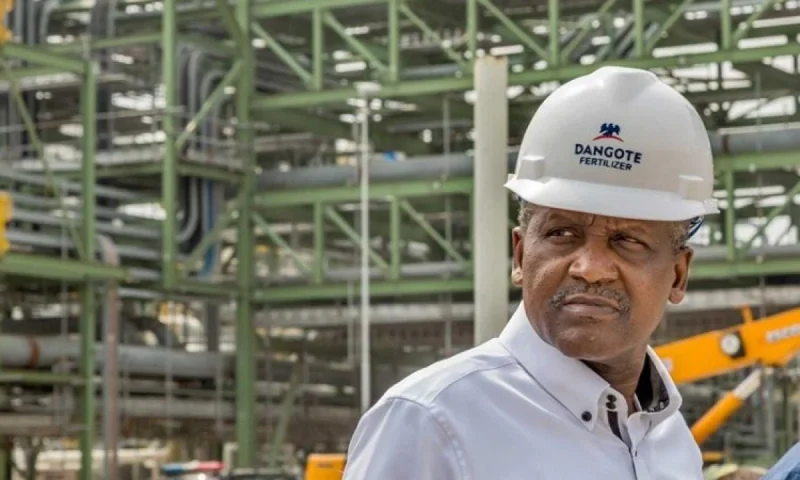
Dangote refineryOfficials of the Dangote Petroleum Refinery are unaware of claims that seven crude cargoes have been allocated to it in May by the Nigerian National Petroleum Company Limited, The PUNCH reports.
Senior officials at the refinery told our correspondent that, although talks were ongoing with the NNPC, they could not confirm an increase in the refinery’s monthly crude allocation from five to seven cargoes.

There were reports that the NNPC had increased crude oil supply to the Dangote refinery, allocating seven cargoes for May loading to boost domestic fuel production.

Two trader sources had told Reuters on Tuesday that the latest allocation marked an increase from the five cargoes the refinery had been receiving in previous months.

But speaking exclusively with our correspondent on Thursday, officials of the Dangote Group, who requested anonymity due to a lack of authorisation, said they had not yet been informed of the decision.

According to them, the refinery is expected to receive six cargoes of crude in May, contrary to reports that seven cargoes were allocated for next month.

“Our May allocation is about 6.15 million barrels. The report of seven cargoes’ allocation is not clear yet,” one of the officials stated.

It was reiterated that the 650,000-barrel-per-day facility needs over 19 cargoes of crude monthly, but it only struggles to get five cargoes. A cargo contains about one million barrels.

“Our monthly requirement is 19.77 million barrels. A cargo is one million barrels. In October, we got 4.55 million; we got 6.45 million in November; 4.30 million in December; 5.65 million barrels in January; and 4.66 million barrels in February. March is around six million.

“Our May allocation is about 6.15 million barrels, not up to 7 million,” another official told The PUNCH, appealing to the government to allocate more crude to the refinery.

Earlier, the Dangote refinery had lamented that it was not getting enough crude locally for its operations. As the Iran-US war continues to disrupt global oil supply, the Dangote refinery has effected multiple fuel price increases, raising petrol pump prices above N1,200 per litre.

Defending these price hikes, the Dangote refinery said in a statement that local crude producers were refusing to supply feedstock to its facility, forcing it to rely more on imported crude.

According to the company, the refinery also received just five cargoes every month from the national oil company instead of 13 cargoes, adding that the cargoes were paid for at international market prices.

“While we receive about five cargoes a month from NNPC, which we pay for in naira, these cargoes are priced at international market prices plus premium and fall short of the 13 cargoes which we require to support sales into Nigeria.

Skyway  Aviation Handling Company Posts Strong  Profit Growth , Revenue Surges 54% In  2025

Skyway Aviation Handling Company Plc delivered a robust financial performance for the year ended December 31, 2025, with profit after tax more than doubling to N11.73 billion, underscoring strong operational momentum and improved efficiency across its business lines.

 

The company’s audited results show revenue rose significantly by 54 per cent to N44.46 billion in 2025, up from N28.94 billion recorded in 2024. The growth was driven largely by increased demand for passenger and cargo handling services, alongside improved contributions from ancillary and Value Chain operations.


Costs of sales also climbed during the period, rising to N18.98 billion from N12.56 billion in the prior year. However, the increase was outpaced by revenue growth, resulting in gross profit expanding to N25.48 billion from N16.38 billion in 2024.


Operating performance remained strong, with profit from Operations nearly doubling to N14.62 billion compared with N6.53 billion recorded a year earlier. This was achieved despite higher administrative expenses, which rose to N11.24 billion from N10.05 billion, reflecting inflationary pressures, increase in utility and increased personnel costs.


After accounting for a tax expense of N2.55 billion, profit after tax stood at N11.73 billion, representing a 142 per cent increase from N4.83 billion in the previous year.


Total comprehensive income for the year came in at N11.42 billion, compared with N6.89 billion in 2024, reflecting a foreign exchange loss of N314.5 million during the period, in contrast to a gain recorded in the prior year.


The company’s balance sheet remained solid, with total assets increasing to N56.58 billion as at December 31, 2025, from N41.78 billion in 2024. The growth was largely driven by a significant rise in property, plant and equipment, which climbed to N24.61 billion from N16.03 billion, indicating continued investment in operational capacity.


Shareholders’ equity also strengthened, rising to N39.87 billion from N29.27 billion, supported by retained earnings growth to N21.74 billion.


Cash flow generation improved markedly, with net cash inflow from operating activities rising to N13.47 billion from N5.01 billion in the previous year. The company ended the year with cash and cash equivalents of N5.70 billion, up from N3.03 billion in 2024.


Despite increased capital expenditure of over N11 billion on fixed assets, Skyway maintained positive financing cash flow, supported by additional borrowings during the year.


Earnings per share rose to 867 kobo from 357 kobo in 2024, reflecting the strong profitability performance and enhanced shareholder value.


The company, however, declared a final dividend of N1.6 billion to its shareholders for the year under review.


Overall, Skyway Aviation Handling Company’s 2025 results highlight strong revenue expansion, good operational efficiency, and sustained investment in infrastructure, positioning the firm for continued growth amid rising demand in Nigeria’s aviation services sector.
Speaking on the Company’s financial performance, the Managing Director/CEO stated that the results reflect the strength of SAHCO’s strategic direction, the resilience of its business model, and the unwavering commitment of its workforce. She noted that despite a challenging operating environment marked by inflationary pressures and rising costs, the Company sustained strong margins and nearly doubled its operating profit.


Dr. Barr Taiwo Afolabi (CON), Chairman of Skyway Aviation Handling Company PLC commenting on the financial report, emphasized that sustained investments in modern equipment and infrastructure have been instrumental in driving operational efficiency, enhancing service delivery, and positioning SAHCO for long-term growth.

Easter: FG declares Friday, Monday holidays

Minister of Interior, Olubunmi Tunji-Ojo

The Federal Government has declared Friday, April 3, and Monday, April 6, 2026, as public holidays to mark this year’s Easter celebration.

The Minister of Interior, Olubunmi Tunji-Ojo, disclosed this in a statement on Wednesday.

He congratulated Christians in Nigeria and the diaspora on the occasion.

Tunji-Ojo urged Nigerians to reflect on the virtues associated with the season.

“I congratulate all Christians in Nigeria and in the diaspora on the joyous occasion of Easter. I urge Nigerians to imbibe the virtues of selflessness, forgiveness, forbearance and love as exemplified by the life and teachings of Jesus Christ,” he said.

The minister further called for unity among citizens, stressing the importance of peaceful coexistence.

“Easter is a period that reminds us of the values of tolerance and community that keep us together as a nation. Nigerians should remain committed to these ideals for the progress of our country,” the minister added.

Tunji-Ojo also reiterated the Federal Government’s commitment to policies aimed at national development.

“The goal of the government remains taking decisions that would bring about national rebirth, economic growth, and shared prosperity for all Nigerians,” he added.

The minister wished Christians a peaceful and joyous Easter celebration.

Nigeria exports 950,000 barrels of new crude blend

NNPC LimitedThe Nigerian National Petroleum Company Limited has marked a major milestone with the lifting of 950,000 barrels of Cawthorne blend crude into the global market through the ultramodern FSO Cawthorne vessel, Nigeria’s first new crude oil terminal in 50 years.

According to a statement by Sahara Group, the development confirms reports on the exportation of a new light sweet crude called Cawthorne under the Bayo Ojulari-led NNPC.

According to Sahara Group, over the weekend, the first shipment of 950,000 barrels from FSO Cawthorne was initiated following its licensing and gazetting by the Nigerian Upstream Petroleum Regulatory Commission.

It was stated that FSO Cawthorne serves as a critical offshore production support asset, providing storage and offtake capabilities for crude produced from OML 18 and nearby producing assets.

Reacting to the development, Sahara Group, a global energy and infrastructure conglomerate, reiterated the strategic role of FSO Cawthorne in strengthening Nigeria’s energy security through its reliable production, storage and evacuation infrastructure.

Sahara Group also said it recognised the advanced technologies deployed on FSO Cawthorne, noting that the facility incorporates cutting-edge systems supported by AI-enabled monitoring and robust QHSE frameworks, enhancing operational efficiency, asset integrity, safety performance and environmental stewardship.

Sahara commended NNPCL for its leadership of OML 18, where Sahara Group is a joint operator and joint venture partner, noting that the company’s collaborative approach continues to drive continuous improvement and value delivery across Nigeria’s upstream sector.

The Head of Commercial and Planning at Asharami Energy, a Sahara Group upstream company, Dr Tosin Etomi, said the crude lifting from FSO Cawthorne represents a defining moment for the asset, the OML 18 partnership and the wider oil and gas sector.

“The successful commencement of crude lifting from FSO Cawthorne is a significant milestone for the OML 18 partnership and a strong demonstration of what can be achieved through shared vision, technical discipline and committed collaboration,” Etomi said.

Etomi noted that the milestone aligns with Sahara Group’s broader upstream strategy, which is focused on building a resilient, scalable and responsible production portfolio anchored on strong partnerships, asset optimisation and long-term value creation.

“The transition of FSO Cawthorne into active export is consistent with our upstream growth strategy, prioritising operational excellence, indigenous participation and infrastructure capable of sustainably supporting Nigeria’s production ambitions,” he said.

He noted that Sahara Group’s upstream portfolio includes a growing oilfield services division, which is redefining innovation, efficiency and sustainability in the sector.

“Our expanding oilfield services capabilities are integral to our upstream vision, enabling smarter operations, improved efficiencies and responsible resource development,” Etomi said.

He added: “Sustainable social impact interventions and community participation have been key drivers of our upstream success, and we remain committed to aligning our operations with the highest global environmental, social and governance standards.”