
Standard Chartered outlines 2026 investment outlook for Nigeria
 Standard Chartered Bank Nigeria Limited hosted its clients at the 2026 Global Market Outlook event, bringing together industry experts to examine the evolving global financial landscape and its implications for Nigeria in 2026, where it revealed that the country’s growth outlook is optimistic.
A statement from the bank on Tuesday stated that the well-attended event featured presentations from speakers drawn from Standard Chartered, including Manpreet Gill, Chief Investment Officer, Africa, Middle East and Europe; Lanre Olajide, Head of Wealth and Retail Banking, Nigeria; Ernest Adejumo, Head of Wealth Solutions; Uche Ugboh, Head of Treasury Markets; and Chima Eboh, Head of Affluent Banking and Branches.
The speakers delivered insights on current market trends, economic shifts, and wealth-building strategies, followed by a question-and-answer panel session that offered attendees practical perspectives on navigating opportunities and challenges in the year ahead.
Speaking on the impact of the global outlook on Nigeria and the investment opportunities available to stakeholders, Gill said, “Clients took away three key messages from the 2026 global market outlook: (i) Stay overweight equities, (ii) continue to generate attractive yields through diversified bonds, but most importantly (iii) diversify, both within equities and across asset classes given valuations and continued uncertainty.”
Adejumo said the key takeaways from the bank’s 2026 Global Market Outlook highlighted the importance of discipline and diversification in an increasingly complex global environment.
“While short-term volatility may persist, investors who concentrate on long-term fundamentals, quality assets, and informed, advisory-led portfolio construction are best positioned to navigate uncertainty and seize emerging opportunities.
“Our GMO reinforced a clear message for investors: clarity comes from context, not noise. By understanding the global themes influencing growth, inflation, and interest rates, clients are better equipped to make confident and well-timed investment decisions. This approach focuses not on predicting markets but on preparing portfolios through diversification and discipline, aligned with their long-term financial goals,” he said.
The event hosted over 1,200 clients across Lagos, Abuja, and Port Harcourt and concluded with a networking lunch with the bank’s management team.
Nigeria’s economic outlook for 2026 remains cautiously optimistic, with GDP growth projections of 4.3 to 4.4 per cent, driven largely by the services sector, particularly ICT and finance, as well as a potential recovery in the oil sector. Efforts to diversify revenue sources beyond oil are ongoing.
However, challenges, including high inflation and fiscal pressures, persist, while poverty is expected to remain an issue despite reforms aimed at promoting inclusive growth.
Key focus areas include stabilising the naira, controlling inflation through effective monetary policy, improving infrastructure, and ensuring that government policies translate into tangible benefits for citizens. Achieving these goals will require strong fiscal discipline and comprehensive structural reforms.
Standard Chartered said it remains optimistic about Nigeria’s long-term economic potential, emphasising the importance of sustainable reforms, infrastructure development, and regional cooperation in driving growth in Nigeria and across Africa. The bank noted that by aligning global trends with regional strengths, it is well-positioned to support clients and communities in achieving their goals in 2026 and beyond.


 By exporting about 70 per cent of its crude oil and 45 per cent of natural gas, Africa annually loses $15 billion, says the Association of Petroleum Producers’ Organisation (APPO).
 As an emerging global energy powerhouse, Nigeria has the responsibility to utilise its abundant gas resources to power Africa’s rise and contribute meaningfully to global stability.
 Operatives of the Ilorin Zonal Directorate of the Economic and Financial Crimes Commission, EFCC, have arrested ten individuals suspected of involvement in illegal mining activities along the Ilorin – Ogbomosho axis.
 The Commission Chief Executive of the Nigerian Upstream Petroleum Regulatory Commission, Oritsemeyiwa Eyesan, has warned that inconsistent regulatory frameworks across African countries remain one of the biggest obstacles to cross-border energy investments, calling for the strengthening of the African Petroleum Regulators’ Forum as a continent-wide platform for regulatory alignment.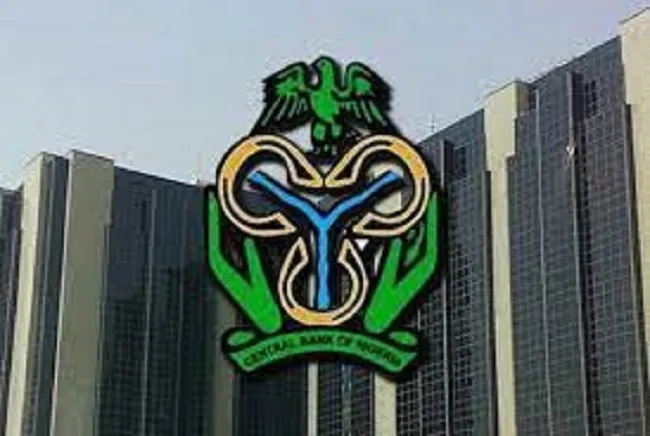
 The Central Bank of Nigeria (CBN) has released a comprehensive assessment of Nigeria’s fintech landscape, outlining the priorities needed to sustain innovation, strengthen system integrity, and support the next phase of digital financial growth.
 TotalEnergies has reaffirmed its commitment to continuously improve initiatives that will improve on its local content delivery.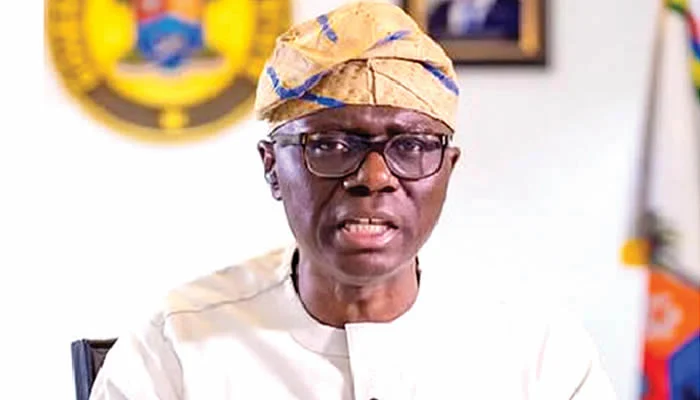
 Gov. Babajide Sanwo-Olu says Lagos State is ready to partner with the World Bank Group in energy, agriculture, tourism and human capital development.
 First HoldCo Plc has announced its unaudited financial results for the year ended 31 December 2025, reflecting a year of deliberate strategic actions aimed at strengthening its balance sheet, improving asset quality, and positioning the business for more resilient and sustainable growth amidst successful capital raise activities.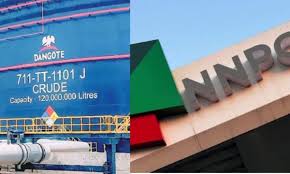
 Towards meeting the energy demands of their ongoing expansion projects, three subsidiaries of Dangote Industries Limited, Dangote Petroleum Refinery, Dangote Fertiliser Plant and Dangote Cement Plc have scaled up their Gas Sales and Purchase Agreements (GSPA) with subsidiaries of the Nigerian National Petroleum Company Limited (NNPC Ltd): Nigerian Gas Marketing Limited and NNPC Gas Infrastructure Company Limited (NGIC).