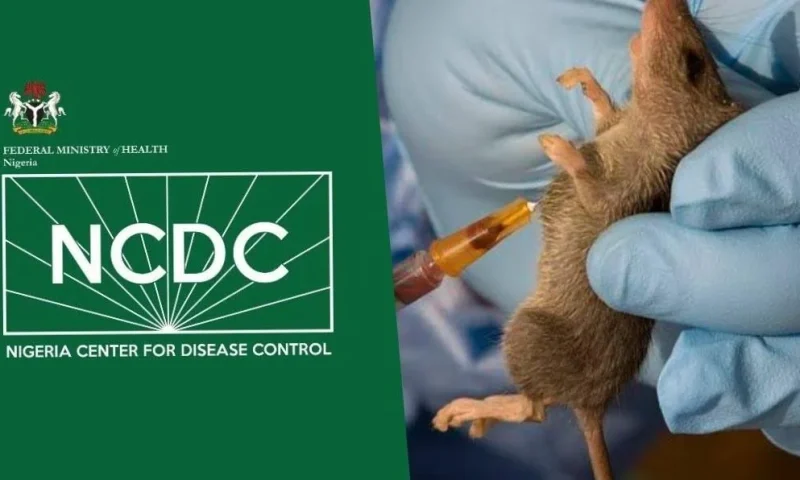
Nigeria records 263 Lassa fever deaths, 1,115 confirmed cases across 24 states
 Nigeria has recorded 1,115 confirmed cases of Lassa fever and 263 deaths across 24 states, with the disease’s case fatality rate rising to 23.6 per cent, according to the Nigeria Centre for Disease Control and Prevention (NCDC).
The figures were contained in the NCDC’s situation report for epidemiological week 38, covering September 14 to 20, 2026.
The agency said the fatality rate was higher than the 18.5 per cent recorded during the corresponding period in 2025.
However, new infections declined, with 11 confirmed cases reported during the week, compared with 17 cases in the preceding week.
The new cases were recorded in Ondo, Edo and Taraba states, while 24 states had reported infections across 119 local government areas.
The NCDC said five states accounted for the majority of confirmed infections.
“87 per cent of all confirmed cases were reported from five states: Bauchi, Ondo, Taraba, Benue and Edo,” the report stated.
The agency identified people aged between 21 and 30 as the most affected age group.
“The predominant age group affected by Lassa fever remained people aged between 21 and 30 years,” it said.
The report also indicated that no new healthcare worker was infected during the week under review.
By the end of epidemiological week 37, Nigeria had recorded 1,104 confirmed cases and 259 deaths, representing a case fatality rate of 23.5 per cent.
Lassa fever is an acute viral illness primarily transmitted through contact with food or household items contaminated by infected rodents. Human-to-human transmission can also occur, particularly in healthcare settings where infection prevention and control measures are inadequate.
The NCDC urged healthcare workers and members of the public to maintain preventive measures and promptly report suspected cases to health authorities.