

CBN tightens grip as interbank deficit hits N4.1tn
 In a strategic move to curb rising food and fuel prices, the Central Bank of Nigeria has tightened its grip on the financial system, pushing the interbank deficit to N4.1tn. By vacuuming out excess liquidity through high-yield government bills, the CBN is betting that a short-term drought in the banking system is a necessary sacrifice to stabilise the naira and prevent inflation from spiralling out of control after its recent jump to 15.4 per cent.
According to the latest Afrinvest Weekly Market and Economic Analysis, the interbank system remains under immense pressure as the apex regulator prioritises the containment of resurgent inflation and exchange rate volatility.
The report reveals that system liquidity conditions, representing the volume of discretionary cash available for banks to lend to one another, remain deep in negative territory. While the average system deficit narrowed by 18.7 per cent to settle at N4.1tn, down from N5.0tn the previous week, the figures signal a deliberate drought orchestrated by the regulator to mop up excess money supply.
Mop-up operations
Analysts at Afrinvest noted that this persistent shortfall is not accidental but a core feature of the current fiscal defence strategy. “The persistent system liquidity shortfall reflects sustained monetary tightening by the CBN, driven by a combination of OMO-induced sterilisation and limited offsetting inflows,” the report stated.
To anchor inflation expectations and prevent excess naira from chasing limited foreign exchange, the CBN utilised Open Market Operations. By offering N600bn in high-yield OMO bills, the CBN effectively mopped up cash from the banking system, locking it away to prevent it from driving up general price levels.
Despite the cash scarcity, investor appetite remains voracious. The 140-day and seven-day bills saw massive oversubscriptions, with bid-to-cover ratios of 8.6x and 4.3x, respectively. “Investor demand was robust, underscoring continued appetite for high-yield government securities despite prevailing liquidity constraints,” the analysis added.
Liquidity divide, stability
A striking takeaway from the analysis is the growing liquidity segmentation within the Nigerian banking sector. This phenomenon occurs when a few large, cash-rich banks hold massive surpluses while smaller institutions struggle with deficits.
Instead of lending to their struggling peers in the interbank market, often due to heightened risk concerns, these surplus institutions are choosing to park their money back with the CBN.
The report highlighted that Standing Deposit Facility placements averaged N4.1tn, noting that “these placements highlight continued liquidity segmentation as surplus institutions maintained significant deposits at the CBN despite the broader system deficit.”
Surprisingly, despite the liquidity crunch, interbank funding rates remained stable. The Open Repo rate held steady at 22.0 per cent, while the Overnight rate moderated slightly to 22.3 per cent.
Analysts suggest this indicates that the market has fully priced in the CBN’s hawkish stance, meaning banks have already adjusted their operations to a high-interest-rate environment.
Inflationary pressures
Looking ahead, the forecast remains consistent as the tight grip is not expected to loosen soon. Experts expect “liquidity conditions to remain constrained in the near term, and funding rates are likely to remain elevated but stable”, anchored by the prevailing monetary policy.
This aggressive tightening comes at a pivotal moment for the national economy. After eleven months of cooling prices, Nigeria’s headline inflation rebounded to 15.4 per cent in March 2026. This spike was largely driven by a global energy shock that pushed crude oil prices above $100/bbl, leading to higher domestic fuel and logistics costs.
By keeping the interbank system thirsty for cash, the CBN aims to support the naira and control the Consumer Price Index. While the squeeze on liquidity raises the cost of funds for banks, the apex bank appears convinced that a short-term sting in interest rates is a necessary price to pay to avoid the long-term pain of runaway inflation.


 Nigeria exported 55.39 million barrels of crude oil in the first two months of 2026, even as the Dangote Petroleum Refinery continues to struggle with inadequate domestic feedstock supply.

 The decision by Iran to reclose the Strait of Hormuz has dampened hopes that fuel prices would crash in Nigeria.
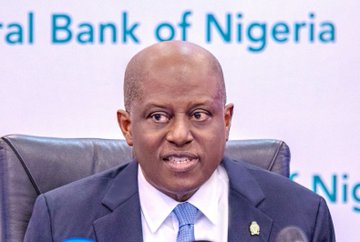
 The reforms implemented by the Central Bank of Nigeria have helped cushion the impact of global economic shocks on Nigerians, preventing more severe hardship despite ongoing external pressures, the apex bank has said.



 The Federal Government has appealed to domestic airlines to suspend plans to halt flight operations and reconsider any increase in airfares following the sharp rise in the price of Jet A1 fuel.

 The Manufacturers Association of Nigeria has urged the Federal Government to reject policy recommendations suggesting the reinstatement of petrol import licences, describing the proposal as flawed and harmful to Nigeria’s industrialisation drive.

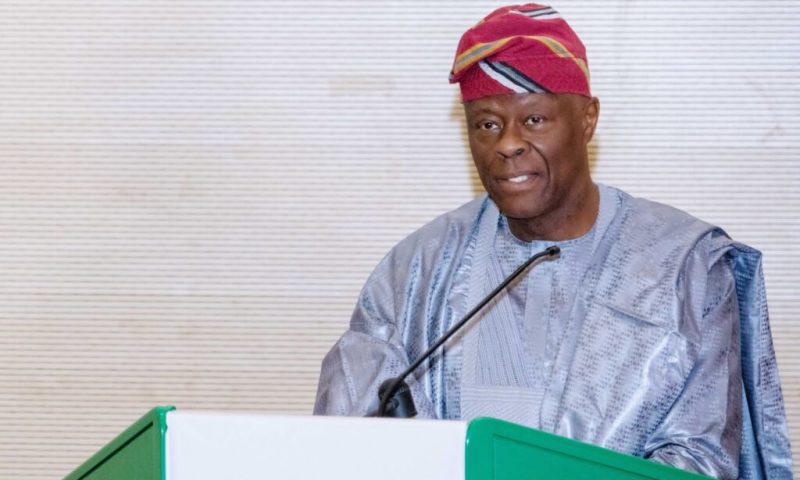
 The Federal Government on Thursday declared that it has no plan to approach the International Monetary Fund to borrow from the estimated $50bn, which the IMF had earlier announced on Wednesday that it plans to use and support struggling economies in Africa.