
Abia Govt blames old oil pipeline for explosion in Owaza community

Abia State Government has said that a petroleum pipeline laid about seventy years ago is responsible for the explosion that occurred in Umuololo Owaza, Ukwa West LGA of the State.

The  pipeline, which is part of Oil Mining Lease (OML) 11,  exploded at about 1:30 am Monday, causing a serious oil spill that affected people’s homes, farms, schools, shops and livestock.

Inspecting the extent of damage, officials of the Abia State government expressed concern about the environmental impacts the  explosion had on residents of Umuololo.

The State government’s delegation led by Commissioner for Environment, Philemon Asonye Ogbonna and Commissioner for Petroleum and Mineral Resources, Professor Joel Ogbonna,  lamented that several buildings and  other property were severely affected in Umuololo, though no life was lost.

Speaking at the site of the explosion, Abia State Commissioner for Petroleum and Mineral Resources, Professor Joel Ogbonna said that preliminary findings showed that the exploded pipeline  was laid about seventy years ago and should not have  remained in use by 2026.

He directed the oil company that owns the pipeline to immediately clean up the affected community and to replace the old pipeline, in order  to prevent a future disaster.

Also, Abia State Commissioner for Environment, Philemon Asonye Ogbonna, assured the affected villagers that the Abia State government was closely monitoring the situation, saying that efforts were on to address the incident.

Ogbonna said that the administration of Governor Alex Otti is determined to protect Abia communities from environmental pollution, degradation and other safety challenges.

Police clarify video allegedly showing its personnel interacting with bandits in Katsina

The Nigeria Police Force has clarified a video circulating online showing a police officer allegedly interacting with bandits riding on motorcycles.

CSP Anietie Okokon Edem Iniesu, Force Public Relations Officer, in a statement described as video as tissues of lies emanating from the pit of hell.

According to the statement, it’s a calculated attempt to destroy the image of the Nigeria Police Force, noting that the video captured a routine interaction between a police officer and security volunteers as they proceeded to a designated operational area in support of efforts to combat criminality and enhance public safety.

“For the avoidance of doubt, the individuals featured in the video are not bandits. They are duly recognized members of the Vigilante Group of Nigeria (VGN) and registered hunters who are actively supporting ongoing security operations in collaboration with security agencies in Musawa and Matazu Local Government Areas of Katsina State,” the statement said

It said any claim suggesting otherwise is entirely false, malicious, and intended to mislead the public, adding that the police force condemns the deliberate distortion of facts and the circulation of misinformation capable of causing public anxiety, undermining confidence in security institutions, and frustrating ongoing security operations.

It urged members of the public to disregard the misleading claims attached to the video and rely only on information disseminated through official channels of the Nigeria Police Force and other authorized government sources.

The Force warns individuals and groups engaged in the creation, publication, or dissemination of false information capable of prejudicing public peace and security to desist immediately, as appropriate legal action may be taken against violators.

Public outcry grows over prolonged incarceration of Taraba journalist

After spending six months in prison custody without the commencement of substantive trial proceedings, a Taraba State based journalist, Gabriel Olayinka may finally have an opportunity to defend himself in court as the Upper Area Court II in Jalingo, the state capital, has fixed July 2, 2026, for a definite hearing in his case.

The development came on Wednesday after the court, presided over by Justice Lawan Jika, granted a request by the defence for accelerated hearing in the case involving allegations of criminal breach of trust brought against the journalist by one Mr. Isa Jubri.

For Olayinka, the court’s decision represents a significant step in a legal battle that has kept him behind bars for half a year without witnesses being called or substantive proceedings commencing.

For observers, however, the case has become a symbol of growing concerns over prolonged pre-trial detention and delays in the administration of justice.

During Wednesday’s proceedings, prosecuting counsel, Barrister D.G. Tukura, informed the court that the prosecution was still awaiting statements of account and other relevant documents from three commercial banks. He also indicated that key witnesses required for the prosecution’s case had yet to appear before the court.

The request effectively signaled another possible delay in a matter that has already stretched over several months.

However, the defence strongly opposed any further adjournment. Representing Olayinka, Barrister Longs Lugnan of P.D. Pius & Associates argued that the prosecution had repeatedly failed to produce substantial witnesses despite the continued incarceration of his client.

“Justice delayed is justice denied. This matter has suffered prolonged delay while my client remains in prison. We pray for accelerated hearing,” Lugnan told the court.

His argument appeared to resonate with the court, as Justice Jika subsequently fixed July 2, 2026, for a definite hearing, signaling a determination to move the matter forward.

Olayinka’s continued detention has generated considerable attention within media and civil society circles in Taraba State and beyond.

The journalist has remained in custody since his arrest over allegations arising from a complaint lodged by Isa Jubri.

Despite the seriousness of the allegations, critics have questioned why substantive trial proceedings have not commenced after six months, especially in a case involving an accused person who remains incarcerated.

Legal practitioners noted that prolonged detention before trial often raises concerns about the constitutional right to fair hearing within a reasonable time, a principle enshrined in Nigeria’s legal framework.

Although courts are sometimes confronted with procedural challenges, including delays in obtaining documentary evidence and securing witnesses, legal observers argue that prolonged adjournments can undermine public confidence in the justice system.

In a related development, the State High Court sitting in Jalingo, also on Wednesday mentioned Olayinka’s application seeking a review of his bail conditions.

The application is viewed by supporters of the journalist as another avenue through which he may regain his freedom pending the conclusion of his trial.

However, the matter suffered a setback after prosecuting counsel, Barrister Tukura, requested additional time to respond to the application.

He attributed the delay to technical difficulties involving his work device.
Following the request, the court adjourned proceedings on the bail review application until July 6, 2026.
Broader Concerns

The Olayinka case has increasingly drawn public scrutiny not only because of the allegations against him but also because of the length of time he has remained in custody without substantive trial proceedings.

Human rights advocates and legal analysts have repeatedly warned that prolonged pre-trial detention contributes to prison congestion and raises fundamental questions about access to justice.

For many observers, the July 2 hearing date will be closely watched as a test of whether the judicial process can finally move beyond preliminary delays and address the substance of the allegations before the court.

As Olayinka awaits the next hearing from prison custody, attention remains focused on whether the prosecution will be ready to present its witnesses and documentary evidence, and whether the long-awaited trial will finally begin after six months of legal uncertainty.

Abduction crisis: Oyo begs NUT to end school shutdown

Makinde, OyoThe Oyo State Executive Council has appealed to the Nigerian Union of Teachers to allow students to go back to school and discontinue the disruption of the academic calendar.

The appeal was contained in a statement on Wednesday, issued by the Commissioner for Information, Dotun Oyelade, after the council meeting held on Tuesday.

The NUT had directed teachers in public schools in the state to shun classrooms following the May 15, 2026, abduction of teachers and pupils in Oriire Local Government Area.

The PUNCH reports that a total of 46 people, comprising 39 schoolchildren and seven teachers of Baptist Nursery and Primary School, Yawota; Community Grammar School; and L.A. Primary School, Esiele, in Oriire LGA, were abducted during the attack.

A teacher, Joel Adesiyan, was killed on the day of the attack, while one of the hostages, a Mathematics teacher, Michael Oyedokun, was beheaded in captivity, as shown in a viral video released by the captors.

The NUT, on Tuesday, hinged the reopening of public schools in the state on the government putting adequate security measures in place.

The secretary of the union, Mr Olukayode Salami, who spoke with the News Agency of Nigeria, said the union’s decision to withdraw teachers from classrooms was prompted by growing insecurity, including the killing of two teachers and the continued captivity of abducted victims.

He said schools might reopen once the government implements adequate security measures to restore confidence among teachers, parents and learners.

In his appeal on Wednesday, the state government, speaking through Oyelade, said, “While the reasons for the withdrawal of the students from school by the NUT are understandable, the collateral implications, both social and economic, are raising unintended concerns and should equally be considered by the NUT.”

He stated that the council reassured that the government was taking strategic steps to ensure that the issue of the kidnapping at Oriire Local Government would be brought to a close soon.

He also announced the release of N8,768,954,000 in the first instance for the procurement of teaching and learning materials for primary and junior secondary schools across the state, out of a total project of N23,012,000,000.

Oyelade said the textbooks to be purchased would be in numeracy, literacy, mathematics, English language, and basic science, in accordance with the Universal Basic Education Commission, in collaboration with the World Bank.

According to the commissioner, “Upon the successful procurement and distribution of the approved textbooks, Oyo State becomes eligible for a reward-based disbursement of two United States Dollars ($2) per student per subject, in line with the project’s results-based financing arrangement.”

Additionally, he said the council also approved the realignment and supplementary budget of the year 2026.

Oyelade added that to meet the aspirations of the administration and its determination to ensure that all ongoing projects across the state were completed before 2027, some ministries, departments, and agencies had requested increments in their budgets.

According to Oyelade, the council, therefore, increased the 2026 budget from N892,085,074,480.79 to N1,102,085,074,480.79.

The commissioner disclosed that the council was also briefed on the need to approve the execution of the African Continental Free Trade Area-related implementation programmes being undertaken by the Office of the Secretary-General of the AfCFTA Secretariat in collaboration with the Oyo State AfCFTA Office.

He noted that the Secretary-General of AfCFTA commended Governor Seyi Makinde for the remarkable progress recorded in the implementation of the AfCFTA initiative within the state, which has exposed Oyo to trade and investment opportunities in Africa, particularly in the areas of industrialisation, agribusiness, and export-oriented enterprises.

The council, therefore, approved the payment of $250,000 to the AfCFTA to provide Oyo State a good footing in attracting investment in Africa.

The commissioner also stated that after the successful implementation of Sustainable Action for Economic Recovery last year, the council approved the total sum of N5,909,734,750 for the implementation of the 2026 work plan of the Health Insurance and Food Security components of SAfER.

The commissioner recalled that SAfER was established by the governor in 2023 to cushion the economic impact of the removal of the petrol subsidy by the Federal Government.

“As a result, fares were reduced for workers, elderly people, and the vulnerable, food was equally distributed, health insurance was established for pensioners, and the government also supported small-scale entrepreneurs.

“Council was convinced that this assistance should continue because the hardship being experienced by citizens has not abated,” Oyelade added.

The council, according to him, congratulated Makinde on the return of the Shooting Stars Football Club to the elite continental competition after 27 years.

He revealed that the governor promised to ensure the Lekan Salami Stadium, Adamasingba, Ibadan, would be ready to host the competition.

Police deny inviting monarch

Oyo State Police command, on Wednesday, denied reports of inviting the Elesinele of Esinele in Oriire Local Government Area of the state, High Chief Tajudeen Abioye, over the May 15 abduction of schoolchildren and their teachers in the council area.

This was contained in a statement by the state Police Public Relations Officer, Olayinka Ayanlade.

The statement read, “This report is false, unfounded, and misleading. At no time was the said traditional ruler invited for questioning in relation to the ongoing investigation.”

The PUNCH reports that over 40 schoolchildren and teachers were abducted during coordinated attacks on Baptist Nursery and Primary School, Yawota, Community Grammar School and L.A. Primary School, Esiele, in Oriire Local Government Area of the state, on Friday, May 15, 2026.

The police command urged members of the public to disregard the report of the monarch’s arrest in its entirety and refrain from sharing unverified information capable of jeopardising ongoing security operations.

The statement read, “The attention of the Oyo State Police Command has been drawn to a report currently circulating across cyberspace alleging that High Chief Tajudeen Abioye, the Elesinele of Esinele in Oriire Local Government Area of Oyo State, has been invited for questioning in connection with ongoing investigations into the abduction of teachers and schoolchildren within the community.

“The Command wishes to categorically state that this report is false, unfounded, and misleading. At no time was the said traditional ruler invited for questioning in relation to the ongoing investigation. The Command views this publication as part of a deliberate campaign of misinformation and disinformation orchestrated by criminal elements aimed at creating division, generating unnecessary tension, and undermining coordinated security efforts currently directed at securing the safe rescue of the abducted victims and bringing perpetrators to justice.

“Members of the public are, therefore, advised to disregard the report in its entirety and refrain from sharing unverified information capable of jeopardising ongoing security operations.”

The command reiterated that it was working with relevant stakeholders and security agencies to ensure the safe rescue of the victims.

Marketers confirm receipt of fuel import licences

fuelFuel importers have confirmed receiving fresh licences from the Federal Government to import petroleum products into the country for the third quarter of 2026,

A dealer familiar with the development told The PUNCH on Wednesday that the approved companies had begun receiving their import permits from the Nigerian Midstream and Downstream Petroleum Regulatory Authority. “Yes, licences have been issued. We just got the licences today,” the dealer said.

The source, however, did not provide details of the volume allocated to the company under the import approval.

Findings by our correspondent showed that the beneficiaries include AA Rano, AYM Shafa, Pinnacle Oil, Matrix Energy, and NIPCO, among other downstream operators.

The confirmation comes barely a day after global energy intelligence firm Argus Media reported that the Federal Government had approved fresh imports of petrol and diesel for the July-September 2026 period to forestall possible fuel shortages across the country.

According to the report, the latest approvals were granted amid concerns over declining fuel stock levels and reduced gasoline production from the Dangote Petroleum Refinery, which has become a major supplier of petrol to the domestic market.

The PUNCH had earlier reported that the permits were issued to major downstream players as authorities sought to guarantee uninterrupted product availability nationwide while balancing local refining output with import requirements.

Argus Media had listed AA Rano, AYM Shafa, Bono Energy, NIPCO, Matrix Energy, and Pinnacle Oil among the companies cleared to import Premium Motor Spirit, popularly known as petrol, during the third quarter.

The fresh approvals signal the government’s continued efforts to maintain fuel supply stability despite increasing domestic refining capacity and ongoing reforms in the downstream petroleum sector.

The publication further reported that the same companies, with the exception of Nipco, were granted approvals to import Automotive Gas Oil, commonly known as diesel. The fresh approvals follow an earlier batch of petrol import permits issued by the regulator in May, covering about 720,000 metric tonnes.

Quoting a regulatory source, Argus reported that many of the companies granted the latest approvals were among those that had received permits in previous rounds. “These are some of the same ones that previously received the PMS permits,” the source was quoted as saying.

According to sources cited by the publication, AA Rano and Matrix Energy each received approvals to import 180,000 metric tonnes of petrol. AYM Shafa received approval for 120,000 metric tonnes, while Pinnacle Oil received a permit covering 150,000 metric tonnes.

Jaiz Bank plans collateral-free loans for SMEs

Jaiz Bank plans collateral-free loans for SMEsJaiz Bank Plc has said it is awaiting the approval of the Central Bank of Nigeria to roll out new financing products that will enable small and medium-scale enterprises to access loans without traditional collateral requirements.

The Managing Director and Chief Executive Officer of the bank, Dr Haruna Musa, disclosed this while speaking with journalists in Abuja on Wednesday after the bank’s 14th Annual General Meeting.

Musa said the proposed products, targeted at SMEs and retail customers, would allow the bank to assess borrowers based on their cash flows rather than physical collateral, a move aimed at expanding access to finance and deepening financial inclusion.

According to him, the bank has already developed the products and is waiting for regulatory approval before launching them

“We have developed an SME-friendly product just awaiting the approval of our regulator, the Central Bank of Nigeria.

Once that is achieved, we will be doing cash-flow lending. We’ll assess you based on your actual cash flow, either with Jaiz Bank or with any other bank, and then we can lend to you depending on the capacity that you have,” he said.

He added that the financing model would reduce the burden of collateral requirements on small businesses. “Instead of that collateral structure, we might end up getting loan guarantees and signed GSI mandates. With that, we intend to see a lot of improvement in support for SMEs,” Musa said.

The Jaiz Bank boss noted that the lender plans to leverage technology to make access to financing easier, enabling customers to apply for and obtain financing remotely.

“We intend to make it a straight-through process whereby, from the comfort of your office or your home, you can use your mobile device to access our financing seamlessly without having to come to the bank,” he stated.

Musa said the initiative forms part of the bank’s broader strategy to support agriculture, SMEs and underserved communities through digital channels and agency banking.

“Jaiz Bank has always been at the forefront of supporting agriculture and micro, small and medium enterprises,” he said, adding that the bank’s agency banking network would help extend financial services to rural communities across the country.

The chief executive also announced that shareholders had approved plans to raise an additional N150bn in capital as the bank seeks to expand its operations and strengthen its balance sheet.

He said the capital raise would likely be executed in two or three tranches after obtaining the necessary regulatory approvals.

According to him, the fresh capital will enable the bank to finance larger transactions, particularly in agriculture, export trade, manufacturing and renewable energy.

Musa added that the bank would also channel part of the new capital towards food security initiatives, agricultural value chains, and alternative energy financing through its newly introduced alternative energy product.

The bank’s chief executive expressed confidence in the lender’s outlook despite global economic uncertainties, including geopolitical tensions in the Middle East and rising operating costs.

He said Jaiz Bank had adopted cost-saving measures such as migrating some branches off-grid, deploying inverter-powered facilities, and preparing to introduce electric vehicles into its operations.

“We are still very optimistic that, in spite of the elevated costs, we will see improvement in our cost-to-income ratio this year,” Musa said.

He disclosed that Jaiz Bank’s total assets rose by about 19 per cent to nearly N1.3tn in 2025, while customer deposits increased by more than 24 per cent to over N1.12tn. Profit before tax also grew by 28 per cent to N31.24bn during the period.

Musa further revealed that the bank currently operates 55 branches nationwide and plans to open 10 additional branches before the end of the year, bringing its network to 65 locations. The lender is present in 26 states and aims to establish a presence in all state capitals within the next two years.

He added that the bank also harbours ambitions of expanding beyond Nigeria within the next five years as it seeks to strengthen its position in the non-interest banking industry.

The PUNCH earlier reported that Jaiz Bank Plc recorded almost double the average gains in the stock market and the banking sector in the first four months of this year in a bullish run that highlighted investors’ confidence in the bank’s outlook.

Its year-to-date analysis at the Nigerian Exchange showed that investors in Jaiz Bank Plc saw the total value of their portfolios rising 106.6 per cent within the first four months of this year, compared with an average gain of 55.69 per cent recorded by the overall market benchmark and a 50.50 per cent average gain recorded in the banking sector.

The share price, which opened this year at N4.55 per share, closed the weekend at N9.40 per share, representing a net capital gain of 106.6 per cent.

Dangote denies claims marketers re-import fuel via Togo

The management of Dangote Petroleum Refinery and Petrochemicals has denied claims by S&P Global that Nigerian marketers are re-importing the fuels it exports to the Lomé trading hub in Togo,  describing the claim as “unfounded and misleading”.

“Management states unequivocally that the allegation is not supported by verifiable trade data, commercial logic, or the operational realities of the Dangote refinery,” the company said in a statement.

A core mandate of the refinery, according to the statement, is to strengthen domestic supply and remain a leading provider of petroleum products in Nigeria, stressing, “Any practice that enables imports to compete directly with its own production clearly contradicts this objective.”

The management added that all sales contracts and tender agreements expressly prohibit the resale or re-importation of Dangote refinery products into Nigeria.

It was emphasised that the economics of the purported trade route are fundamentally flawed. “Estimated logistics costs for transporting products from the refinery to Lomé and back into Nigeria range between US$82–90 per metric tonne. Such additional costs would significantly erode margins and render the transaction commercially unviable.

“Dangote refinery does not provide export discounts sufficient to offset these costs or create arbitrage opportunities between export and domestic markets. Simply put, no rational producer would incur additional shipping, storage, financing, and handling costs only for products to re-enter and compete in its primary market,” the firm clarified.

The management also highlighted that the refinery maintains stringent product traceability protocols, including detailed records of lifting points, nominated vessels, counterparties, and declared destinations. These measures, it was said, ensure full visibility and accountability across the supply chain.

The statement insisted that any “claim suggesting that the refinery facilitates or tolerates re-importation is inconsistent with its contractual safeguards and established compliance standards”.

The refinery noted that it has consistently advocated for reducing Nigeria’s dependence on imported petroleum products, adding that encouraging or enabling re-importation would undermine local refining efforts, strain foreign exchange reserves, and weaken national industrial growth, positions that are contrary to its core objectives.

“Management reiterates that there is no strategic, economic, or operational basis for the claim that Dangote refinery exports products for re-importation into Nigeria. The allegation is entirely unfounded and does not withstand scrutiny when measured against market logic, contractual frameworks, and industry practices,” it said.

S&P Global Energy official, Matthew Tracey-Cook, during a webinar organised by the Major Energies Marketers Association of Nigeria disclosed that Nigerian fuel marketers were increasingly importing refined petroleum products originating from the Dangote refinery through the offshore ship-to-ship trading hub in Lomé, Togo.

Though Tracey-Cook did not say the Dangote refinery was aware of the development, he said Dangote volumes on a coastal basis do arrive back in Lagos from Lomé.

“For several months, from March until May, we saw well over 70 to 80 per cent of the volumes that were imported into Nigeria actually originated from Dangote; from their coastal Dangote volumes which were re-imported,” he said.

The PUNCH recalls that some fuel importers in the country alleged in November 2025 that the Dangote refinery sells a litre of petrol to international traders at N65 cheaper than the amount it offers to marketers in Nigeria.

The Depot and Petroleum Product Marketers Association of Nigeria and the Petroleum Products Retail Outlet Owners Association of Nigeria confirmed this in separate interviews with our correspondent at the time.

“Dangote is selling to international traders at N65 lower than what he offers in Nigeria. How is it possible for some of our members to buy from someone who bought from Dangote?

“Dangote sells to international traders at N65 cheaper than what he is selling to us. In some instances, we were able to buy from those people and still bring it to Nigeria. They will take the product to Lomé, claiming that they are buying large quantities,” DAPPMAN stated in 2025.

But the refinery dispelled the allegation of cheaper petrol sales in Togo compared to Nigeria, with many Nigerians questioning how local marketers could leave the producer of a product in his home country to buy it from another trader in Togo.

The Dangote refinery is in court to stop fuel importation into Nigeria.

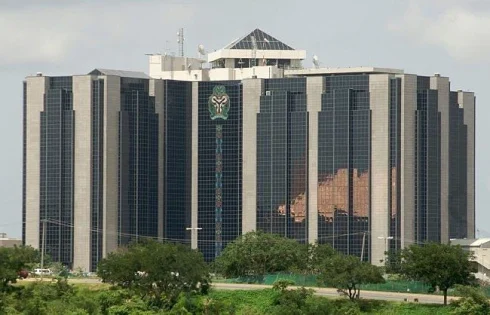
CBN reports N17.4tn surge in FG borrowing

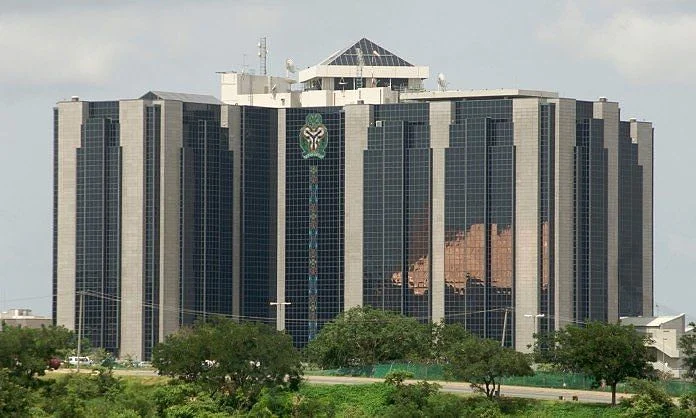
Olayemi CardosoFresh data released by the Central Bank of Nigeria  reveals that credit to the Federal Government rose sharply over the 12 months ending in May 2026.

The surge highlights an aggressive public sector appetite for borrowing despite the prevailing tight monetary conditions in the country.

According to the CBN’s latest monetary and credit statistics on Wednesday, total credit to the government climbed to N40.38tn in May 2026, up from N22.99tn recorded in the corresponding period of 2025. This marks a year-on-year increase of N17.39tn (approximately N17.4tn), representing a massive 75.6 per cent rise in lending exposure to the public sector.

On a month-on-month basis, the government’s borrowing momentum showed no signs of slowing down, expanding by N779.70bn in just 30 days from the N39.60tn reported in April 2026.

Banking sector data indicate that commercial and merchant lenders are continuing to allocate significant liquidity towards government securities. Rather than channelling funds into the wider economy, financial institutions have heavily favoured low-risk instruments like Federal Government bonds and treasury bills to help finance ongoing fiscal operations.

This steady rise in public sector credit reflects a strategic shift by fiscal authorities to seek alternative funding sources through domestic debt issuance, moving away from direct CBN financing.

In stark contrast to the government’s aggressive borrowing, credit to the private sector grew modestly in May 2026. Lending to businesses and households ticked up to N81.04tn, compared to N80.59tn in April, reflecting a highly cautious approach by lenders and a slower expansion of credit to the real economy. Despite this sluggish monthly growth, private sector credit remains dominant in absolute terms, sitting at roughly 2.01 times the level of public sector credit for May.

Economic analysts and financial experts suggest that the data clearly underscores a persistent tilt towards public sector borrowing, driven by the government’s need to fund its fiscal deficit. While the banking system remains liquid, economists caution that if financial institutions continue to prioritise high-yield government debt, it could permanently “crowd out” productive private industries. Without access to affordable credit, local businesses and manufacturers may struggle to expand, potentially slowing overall economic growth.

The apex bank has not released a detailed sectoral breakdown of private credit allocation for the period under review.

However, the overarching trend points towards a banking sector heavily recalibrating its risk dynamics to favour government obligations over the real economy.

2027: No form of inducement can stop us from taking over Bayelsa – NDC to Gov Diri

Bayelsa State chapter of the Nigeria Democratic Congress, NDC, has urged Governor Douye Diri to adopt an inclusive leadership approach that prioritizes the interests of Bayelsans over political agendas, concentrating on policies and programs that foster sustainable development, economic growth, and enhance the welfare of the populace.

Speaking with journalists in Yenagoa, the State Chairman of the NDC, Hon. Dauprebo Ikuromo, called on the Bayelsa State Government to “avoid attempts to entice NDC aspirants with financial incentives designed to create rifts within the party.”

Ikuromo asserted that “no form of inducement can divert the NDC from its objective of assuming leadership in the state.”

He recommended that such “resources should be allocated instead to tackle the state’s urgent developmental issues, including the situation of the commissioned but non-operational gas turbines.”

In response to concerns regarding reported discontent within the party, the NDC Chairman indicated that a comprehensive grievance redress mechanism has been established under the leadership of Senator Henry Seriake Dickson.

He added that the party’s National Executive Council will release the list of candidates for various positions within the timeframe set by the Independent National Electoral Commission, INEC.

Ikuromo also commended the National Leader of the NDC for his exemplary conduct during the party’s primary elections.

He characterized Dickson’s leadership as commendable, highlighting his ability to manage the primary election process nationwide with fairness, tact, and wisdom, thereby ensuring equitable opportunities for all aspirants.

The Bayelsa NDC further recognized Senator Dickson’s dedication to the inclusion of youth and women in the party’s primaries, describing this initiative as aligned with the principles of affirmative action and enhanced political participation. According to the party Chairman, such policies are vital for cultivating a robust and inclusive political movement.

The NDC chairman, however, called on party members and supporters across Bayelsa State to remain united and focused on the party’s objective of taking over governance from what he described as a ruling party that has failed the nation.

Ilobu Killing: Osun APC, Adeleke’s campaign council exchange blame

The death of a 14-year-old boy in Ilobu, Osun State, has sparked a fresh war of words between the All Progressives Congress, APC, and the Imole Campaign Council, with both sides accusing each other of politicising the tragedy ahead of the forthcoming governorship election.

DAILY POST recalls that a teenager, identified as Ezekiel Olapade, was reportedly killed during a shooting incident on Sunday near the Irepodun Local Government Secretariat, Ilobu with nother person also injured during the attack.

The incident has generated widespread concern in the state and intensified political tensions, as rival political parties continue to trade accusations over the circumstances surrounding the killing and the reactions that followed.

The APC, in a statement issued on Tuesday by its Director of Media and Information, Kola Olabisi, criticised Governor Ademola Adeleke’s visit to the bereaved family, alleging that the occasion was transformed into a political event.

According to Olabisi, “the governor should have focused solely on mourning with the family rather than making remarks that the party interpreted as political in nature.

“Such an occasion for strictly mourning the young lad was inappropriate for Governor Adeleke to have turned it to a campaign ground as it could be likened to the state chief executive doing the wrong thing at the wrong time and wrong place,” he said.

The opposition party also questioned the governor’s comments regarding the incident, arguing that it was improper to attribute responsibility for the killing before the conclusion of police investigations.

Olabisi stated, “It didn’t add up and unexpected of a worthy chief executive to have bypassed the police in their investigation when he named the opposition party as being responsible for the killing.”

The APC alleged that there were contradictions in the governor’s position after he reportedly called for a police investigation while simultaneously expressing views on those responsible for the attack.

Meanwhile, the Imole Campaign Council dismissed the APC’s allegations and accused the opposition party of attempting to exploit the teenager’s death for political advantage.

In a statement signed by its spokesperson, Pelumi Olajengbesi, the council expressed concern over what it described as an increase in political violence in Osun State and called on all political actors to exercise restraint.

Olajengbesi said the loss of innocent lives should unite stakeholders in the pursuit of peace rather than deepen political divisions.

“The recent escalation of political violence in Osun is a threat to us all. The loss of innocent lives has no place in a civil society. Democracy cannot thrive where citizens live in fear,” he said.

The council also urged security agencies, including the Inspector-General of Police, to ensure that all residents receive equal protection regardless of political affiliation and warned against selective enforcement of the law.

Olajengbesi maintained that electoral contests should be determined through public support and democratic participation, adding, “Democracy demands persuasion, not coercion.

Political parties should compete with ideas, policies, and performance, not with conduct that threatens public peace and safety.”

The controversy followed allegations by the deceased’s father, Gbenga Olapade, who claimed that his son was struck by a bullet while trying to assist his mother during the chaos.

He also alleged that armed men opened fire near a palm wine bar owned by his wife and the deceased teenager’s mother and that security personnel at the scene failed to intervene as the attackers arrived.