ZENITH BANK SET TO HOST 2026 INTERNATIONAL WOMEN'S DAY SEMINAR IN LAGOS


Zenith Bank Plc will commemorate the 2026 International Women’s Day with a renewed call to
purposeful action and leadership. As part of preparations to celebrate this significant occasion, the
Bank is set to hold its annual International Women’s Day Seminar on Monday, March 9, 2026, at
The Civic Centre, Victoria Island, Lagos.
Aligned with the global theme ‘Give to Gain” which underscores the principle that sustainable
progress is achieved when individuals and institutions invest intentionally in women, Zenith Bank’s
2026 IWD seminar is themed “Take It, You Own It.” The theme reflects the Bank’s belief that while
institutions must give through enabling environments and equitable systems, women must also
step forward to claim space, own their value, and lead with confidence. It is both an affirmation and
a challenge: embrace opportunity, empower yourself and others, and take ownership of your
growth journey.
Building on the success of previous seminars, including the 2025 edition themed “Winning On All
Fronts”, Zenith Bank’s 2026 programme is designed to deepen meaningful engagement around
women’s empowerment, leadership, and sustainable impact. Over the years, the Bank’s
International Women’s Day initiatives have brought together women leaders, professionals,
entrepreneurs, and emerging talents for dynamic dialogue, inspiration, and shared learning around
gender equity, professional growth, and inclusive opportunity.
More than a commemorative gathering, the 2026 seminar is designed as a convergence of
influence, insight, and inspiration, bringing together accomplished women and progressive leaders
across business, governance, creative industries, technology, and social impact.
Speaking ahead of the Seminar, the Group Managing Director/CEO, Dame Dr. Adaora Umeoji,
OON, who will deliver the welcome address, said “The International Women’s Day is a reminder
that progress requires intentionality. ‘Give to Gain’ speaks to the responsibility institutions have to
create real opportunities, while our theme ‘Take It, You Own It’ challenges women to step forward
boldly and lead. At Zenith Bank, we are deliberate about building environments where women are
supported to grow, thrive, and shape outcomes, not only within our institution but across the
communities and industries we serve.”
The seminar will include segments focused on leadership insight, professional empowerment,
wellbeing, and collaboration, offering attendees opportunities to engage deeply with thought
leadership and practical strategies for advancing equity.
With a carefully curated programme spanning keynote addresses, panel conversations, Q&A
sessions, and creative interludes, Zenith Bank’s 2026 International Women’s Day Seminar
promises to be a catalyst for meaningful action.

Through its alignment with “Give to Gain” and its bold seminar theme, “Take It, You Own It,” Zenith
Bank reaffirms its belief that when institutions give intentionally and women lead confidently, entire
ecosystems rise. As conversations around inclusion continue to shape the future of business and
society, the Bank remains resolute in its mission to foster platforms where women’s potential is
recognised, amplified, and fully owned.

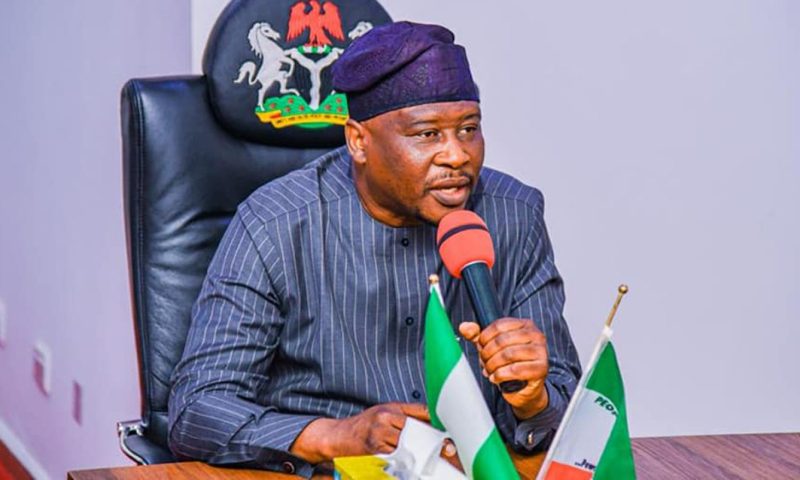
Why I parted ways with Atiku – Adamawa Gov, Fintiri

Ahmadu Fintiri, Governor of Adamawa State, has explained the reason behind his political split from former Vice President Atiku Abubakar.
Fintiri said their separation was purely due to differences in party alignment.

Speaking during an appearance on Channels Television, the governor emphasized that despite belonging to different political platforms, he continues to share a cordial relationship with Atiku.

According to him, those who are genuinely committed to Nigeria’s progress must recognize one another as partners in nation-building, adding that his political stance is aligned with supporting a southern candidacy.

He dismissed suggestions of any breakdown in communication, noting that political disagreements have not affected their personal rapport.

“There is no strained communication with the former VP as a result of political differences.

“I still have; there is nothing that has gone bad. It is just that everybody has taken their political ways. I am today in APC, they are in another party,” he said.

Plateau APC re-elects Bature as state chairman

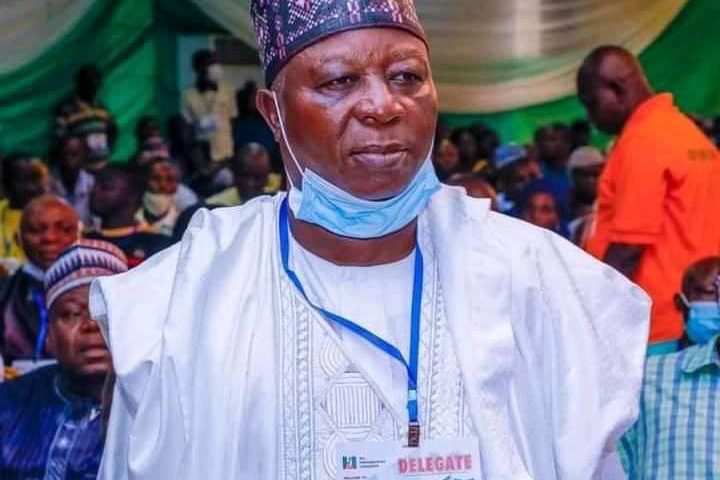
Plateau State chapter of the All Progressives Congress, APC, on Tuesday, re-elected Hon. Rufus Bature as the Chairman of the party at its State Congress in Jos.

The well attended Congress had in attendance Gov. Caleb Mutfwang, deputy governor Josephine Piyo, members of the National Assembly, the Speaker and members of the Plateau State House of Assembly, elders and stakeholders of the party, chairmen of the 17 local government areas, local government party chairmen, and duly accredited delegates from across the state, as well as observers from the Independent National Electoral Commission, INEC.

In his remarks at the end of the exercise, Chairman of the State Congress Committee, Hon. Oscar Yelwa, commended party members for embracing consensus and democratic engagement, noting that the congress was convened to formally usher in a new state executive to steer the affairs of the APC.

In his acceptance speech, Bature pledged to reposition the party for greater strength ahead of the 2027 general elections, declaring that failure is not an option

Bature, who highlighted his long-standing service to the state, including working under three administrations of former governors Joshua Dariye, Senator Simon Lalong, and the incumbent governor, described his emergence as the party chairman as a huge responsibility, but assured party faithful that the new executive would uphold the ideals of the APC and meet the expectations of Plateau people.

In his address, Gov. Mutfwang described the Congress as historic and urged party members to remain united as one big family.

Mutfwang also emphasized the need for aggressive grassroots mobilization, and charged every registered APC member in the state to campaign massively and recruit at least 10 new members.

Following persistent bandit attacks, the Nigerian military has reportedly taken over security operations in Alkaleri Local Government Area of the state.


The army declared that there would be no safe haven for criminal elements in the area.

DAILY POST recalls that the state governor, Bala Mohammed, had appealed to the Federal Government for urgent intervention following the invasion of communities in Alkaleri LGA by armed bandits.

On Tuesday, the governor received the General Officer Commanding (GOC), 3 Division of the Nigerian Army, Major General Eyitayo Foluso Oyinlola, at the Government House in Bauchi.
The GOC said his visit was in compliance with directives from the Chief of Defence Staff (CDS) to assume direct supervision of military operations in Alkaleri LGA following recent security breaches.

He informed the governor that the deployment of additional troops to Bauchi was aimed at restoring lasting peace in the affected communities.

The GOC assured that the military would adopt proactive and coordinated strategies to flush out criminal elements and prevent further attacks. He disclosed that both kinetic and non-kinetic approaches were already being deployed to restore normalcy.

According to him, troops have intensified clearance operations, strengthened surveillance across identified flashpoints, and enhanced collaboration with other security agencies to forestall further incursions.

He added that intelligence-driven operations are ongoing to dismantle criminal hideouts and disrupt the movements of armed groups within the region. Additional logistics and manpower have also been mobilised to ensure a sustained security presence in Alkaleri and surrounding communities.

Suspended Ebonyi commissioner accepts blame, apologises to Gov Nwifuru

The suspended Commissioner for Works in Ebonyi State, Lebechi Mbam, has tendered a public apology following his indefinite suspension by the State Governor, Francis Ogbonna Nwifuru, over alleged dereliction of duty.
Recall that Governor Nwifuru at the weekend announced the indefinite suspension of Mbam and his Infrastructure Development for Concession counterpart, Ogbonnaya Obasi Abara, citing lapses in the discharge of their responsibilities at the Ministry of Works.

In a statement issued on his social handle after the suspension, Mbam acknowledged the weight of leadership and accepted responsibility for the unmet expectations under his watch.

“Leadership and mentorship come with the ability to take accolades and the courage to take correction and reprimand,” he stated.

The embattled commissioner reaffirmed his loyalty and accountability to the governor, describing him as his leader and mentor.

He emphasised that performance in the Ministry of Works remains a priority to the governor and noted that disciplinary measures, whether public or private, are intended to strengthen governance and improve service delivery.

“I take responsibility for the unmet expectations of the Ministry of Works under my watch. On behalf of the Ebonyi State Ministry of Works, I accept responsibility for the observed lapses,” he said.

Mbam further expressed regret over what he described as perceived disappointments and assured that recent developments would serve as motivation to reassess operations, improve weak areas and build on existing strengths.

“Your Excellency, I apologize for every perceived disappointment. We will do better, and a second chance will not be taken for granted,” he added.

Sanwo-Olu appoints Muyiwa Adetola as Lagos Accountant-General

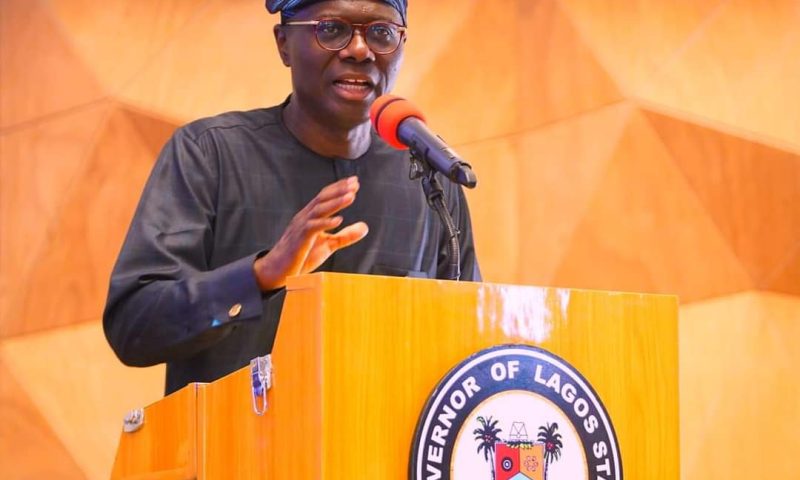
Governor Babajide Sanwo-Olu of Lagos State has approved the appointment of Muyiwa John Adetola as the state’s new Accountant-General and Permanent Secretary of the State Treasury Office.

The announcement was made in an official circular issued by the Office of the Head of Service and shared on the Lagos State Government’s Facebook page on Tuesday.

Adetola assumes the position following the statutory retirement of his predecessor, Abiodun Muritala.

Prior to this appointment, he served as the State Auditor-General, a role from which he was redeployed to lead the State Treasury Office.

The appointment took immediate effect from Monday, March 2, 2026.

In the statement, the Head of Service, Mr Bode Agoro, wished Adetola success in his new role and urged all stakeholders to facilitate a smooth transition by cooperating with the circular’s directives.

“The strategic redeployment demonstrates the State Government’s commitment to ensuring efficiency, accountability, and continuity in public financial management,” the statement added.

NAFDAC warns against underage drinking of sachet, small-bottle alcohol

The National Agency for Food and Drug Administration and Control, NAFDAC, has highlighted the risks of underage drinking and minors consuming alcoholic beverages sold in small sachets and small PET bottle packaging.
NAFDAC explained that underage drinking can lead to violence and injuries, noting that alcohol is a significant contributor to youth suicides, murders, and car crashes or accidents.

The agency said alcohol also plays a major role in kidnappings, banditry, terrorism, and other harmful activities occurring daily in the country.

It listed the associated dangers, insisting that there is no justification to reverse the ban on the production, sale, and use of sachet alcohol and small PET bottle packs.

During a press briefing in Abuja on Tuesday, the Director-General of NAFDAC, Prof. Mojisola Christianah Adeyeye, stated that alcohol is one of the most commonly used substances by young people and is becoming an increasingly serious public health issue in Nigeria.

She said that easy availability and accessibility of alcohol have contributed to more teenagers drinking.

Prof. Adeyeye cited findings showing that 54.3% of minors and underage individuals obtain alcohol on their own from various sources, while 49.9% purchase it from stores selling drinks in sachets and PET bottles.

She noted that smaller percentages of underage individuals obtain alcohol from liquor stores (15.4%), restaurants (12.6%), and supermarkets (7.9%). The results also show that young people under the legal drinking age acquire alcohol from friends and family (49.9%) and at parties or social events (45.9%).

Among those who purchase alcohol for themselves, 47.2% of minors and 48.8% of underage individuals buy drinks in sachets, 41.2% of minors and 47.2% of underage individuals buy drinks in plastic bottles, and 27.6% of underage individuals buy alcohol in glass bottles.

She added that the purchase of drinks in sachets and PET bottles was most commonly reported in Rivers (68.0% and 64.5%), Lagos (52.3% and 47.7%), and Kaduna (38.6% and 28.4%) states, compared to other states.

“The percentage of drinks bought in sachets is higher among males (51.4%) than females (41.5%), and more common in rural areas (50.1%) than in urban areas (45.3%),” she added.

Prof. Adeyeye also said that most young people and underage individuals (54.3%) buy alcohol on their own, 49.9% get it from friends or family, 45.9% get it at social events, and 21.7% obtain it from their parents’ homes.

She emphasized: “Of the minors and underage individuals who get alcohol for themselves, 47.2% of minors and 48.8% of underage people get it in sachets, 41.2% of minors and 47.2% of underage people get it in PET bottles, and 27.6% of underage people get it in glass bottles.”

She explained that “drinking alcohol before the age of 21 can harm health and may damage parts of the brain, such as the hippocampus, responsible for memory, and the prefrontal cortex, which helps with thinking and impulse control.

“This can lead to long-term problems with learning, memory, and decision-making. Early drinking can also damage the liver and kidneys, cause high blood pressure, disrupt hormone levels and growth, and increase the risk of cancer later in life. It also raises the likelihood of depression, anxiety, and low self-esteem. Youth who start drinking before age 15 are 41% more likely to develop alcohol dependence.

“Alcohol contributes significantly to youth suicides, violent deaths, and road accidents. It is also closely associated with unprotected sex, leading to unintended pregnancies and sexually transmitted infections. Drinking frequently affects academic performance, causing lower grades, absenteeism, and impaired cognitive function.”

NAFDAC stated that the Senate has directed it not to grant any further extensions to the current moratorium and to strictly enforce the ban on sachet alcohol and alcohol in small (<200 ml) PET bottles. The agency also urged the Federal Ministry of Health and Social Welfare to support enforcement of the ban.

“They also urge the Federal Ministry of Health and Social Welfare to release the National Alcohol Policy, which includes a ban on alcohol in sachets and small-volume (<200 ml) packaging,” the DG added.

“The Senate further urged the National Orientation Agency and NAFDAC to work together to increase nationwide awareness about the dangers of drinking alcohol from sachets and small bottles. Banning small pack sizes, like sachets and bottles under 200 ml, could help reduce underage drinking.”

Nigeria ports record 24.8% cargo growth – Report

Abubakar DantsohoNigeria’s maritime sector recorded a historic surge in activity in 2025, driven by increased cargo throughput, rising container traffic, and a growing export footprint, according to the 2025 Operational Performance Report released by the Nigerian Ports Authority.


The report stated that total cargo throughput rose by 24.8 per cent, increasing from approximately 103.6 million metric tonnes in 2024 to over 129.3 million metric tonnes in 2025.

The Managing Director of the Nigerian Ports Authority, Dr Abubakar Dantsoho, described the growth as one of the most significant annual increases in Nigeria’s maritime history, noting that the milestone strengthens the country’s position as a more competitive and strategic player in regional and global trade.

While imports continued to dominate overall cargo traffic, the report highlighted a steady rise in outward trade, with exports accounting for 39.0 per cent of total cargo throughput. Inward traffic represented 59.2 per cent, while transhipment contributed 1.8 per cent. Analysts said the growth in export volumes validates the Federal Government’s economic diversification initiatives aimed at reducing dependence on crude oil and promoting non-oil sector exports.

Containerised cargo, a key indicator of export trade activity, also grew significantly. Total container traffic increased by 25.7 per cent, surpassing 2.1 million Twenty-foot Equivalent Units. Of this figure, export containers grew by 3.1 per cent, while import-laden containers surged by 32.8 per cent. The report further noted a 205.8 per cent increase in transshipment containers, signalling Nigeria’s emergence as a pivotal regional logistics and trade hub.

Lekki Port emerged as the leading port in Nigeria, handling 40.6 per cent of the nation’s total cargo throughput. Onne Port followed with 19.1 per cent, while Apapa Port accounted for 16.7 per cent.

Beyond cargo volume, Lekki Port also attracted the largest vessels, with an average Gross Registered Tonnage of 55,712, slightly higher than Onne Port at 53,022 GRT. Apapa and Tin Can Island Port received ships averaging 33,251 GRT and 36,909 GRT, respectively, while Delta Ports handled vessels averaging 17,414 GRT.

The report underscored a structural shift in vessel traffic. Although Tin Can Island Port recorded the highest frequency of ship arrivals, accounting for 22.7 per cent of total ship calls, Lekki and Onne ports are increasingly receiving the industry’s “heavyweight” vessels, enhancing Nigeria’s capacity to handle larger and more valuable cargoes.

Overall, total ship calls rose by nearly 12 per cent to 4,477 vessels, reflecting broad-based growth across operational metrics. Liquid bulk cargo, including fuel and chemicals, remained the dominant commodity at 54.7 per cent, while containerised cargo accounted for 24 per cent. Analysts noted that the increasing size and sophistication of vessel traffic, coupled with container growth, indicate that the maritime sector is gradually aligning with global shipping standards.

The report also highlighted the rising importance of transshipment cargo, particularly containerised goods destined for other West and Central African ports. The 205.8 per cent surge in transshipment containers positions Nigeria as a strategic regional hub, attracting international shipping lines and boosting revenue for the Nigerian Ports Authority.

The 2025 NPA Operational Performance Report signals a transformative phase in Nigeria’s maritime industry. Export-led growth, rising container traffic, and the strategic role of Lekki Port illustrate that the country is not only handling more cargo but also diversifying the types of goods moving through its ports.

“This is a pivotal moment for Nigeria’s trade ecosystem,” maritime analysts said. “The growth in exports and transshipment reflects the success of policy reforms aimed at reducing reliance on oil revenues, while enhancing the competitiveness of Nigerian ports in regional trade.”

With the nation’s ports showing resilience and dynamism, the report reinforced the Federal Government’s efforts to expand non-oil exports, attract investment into port infrastructure, and integrate Nigeria more fully into global supply chains.

Looking ahead, Dantsoho expressed confidence that the next phase of growth will be driven by the Federal Government-approved port modernisation programme and the implementation of the National Single Window system.

The comprehensive port modernisation project is designed to overhaul ageing infrastructure, deepen berths, rehabilitate quays, expand cargo-handling capacity, and deploy advanced digital solutions across Nigeria’s port network. The initiative is expected to improve vessel turnaround time, reduce cargo dwell time, enhance safety standards, and significantly boost operational efficiency across all terminals.

Fuel price spike triggers fresh naira-for-crude supply calls

Petrol prices rose to N937 per litre on Tuesday amid escalating tensions in the Middle East, prompting oil marketers and refinery operators to urge the Federal Government to provide more crude oil to the Dangote Petroleum Refinery in naira to help stabilise domestic fuel prices.
The PUNCH reported on Monday that the Dangote refinery increased its gantry price from N774 to N874. The adjustment followed a jump in oil prices to $84 per barrel, up from below $70 days before the airstrikes involving the United States, Iran, Israel, and other countries.

“The new gantry price is now N874 per litre from N774. The review became necessary due to changes in global crude fundamentals and replacement costs,” an official of the Dangote refinery said.

Following the increment, filling stations on Tuesday raised their pump prices to N937 or N935, depending on the location. A survey by our correspondents confirmed that an MRS filling station in Obalende, Lagos, sold petrol at N937 on Tuesday.

The MRS and Petrocam stations in Mowe, Ogun State, dispensed petrol at N935, while Heyden offered N930. Similarly, SAO, SGR, and AP sold the product at N925. Matrix also dispensed the fuel at N937.

Before the Middle East crisis, some filling stations had already been selling premium motor spirit at prices ranging between N812 and N839, depending on the location. However, the crisis over the weekend disrupted the global fuel market, affecting Nigeria and other countries.

Reacting in a statement on Tuesday, the Petroleum Products Retail Outlet Owners Association of Nigeria emphasised the urgent need to consolidate and strengthen Nigeria’s domestic refineries, particularly the Dangote refinery, through the provision of adequate and consistent crude oil supply in naira.

According to PETROAN’s spokesperson, Joseph Obele, this “proactive approach” is essential to minimising the impact of external geopolitical shocks on the nation’s petroleum market.

The National President of PETROAN, Billy Gillis-Harry, expressed deep concern over the ongoing military escalation involving the United States, Iran, Israel, and allied nations, and its far-reaching implications for the global energy industry, particularly Nigeria’s petroleum sector.

According to him, recent geopolitical tensions have significantly disrupted global energy markets and supply chains.

PETROAN noted that hostilities in the Middle East, especially around the strategic Strait of Hormuz, through which approximately 20 per cent of the world’s crude oil supply passes daily, have triggered sharp volatility in international oil prices and heightened uncertainty regarding supply continuity.

It added that as the conflict intensified, global crude oil benchmarks had surged, with analysts projecting that prices could exceed $100 per barrel if disruptions persist, noting that the upward trend reflected growing concerns over potential supply shortages should shipping activities through the Strait of Hormuz remain restricted.

PETROAN stated that any sustained increase in crude oil prices would inevitably be reflected at petroleum retail outlets across Nigeria. “If the crisis continues, the impact will extend beyond pump prices to affect foreign exchange stability, domestic fuel pricing structures, and overall inflation levels within the country,” Gillis-Harry warned.

The association urged the Federal Government to encourage and prioritise local refineries by ensuring a steady crude oil supply in naira, particularly to the Dangote refinery, and by creating enabling policies that support optimal operations.

PETROAN also called on the government to sustain and strengthen the Naira-for-Crude policy to reduce pressure on foreign exchange and stabilise domestic fuel pricing.

“In view of these developments, PETROAN calls for urgent and strategic actions to safeguard Nigeria’s energy security: encourage and prioritise local refineries by ensuring a steady crude oil supply in naira, particularly to the Dangote refinery, and create enabling policies that support optimal operations. Sustain and strengthen the Naira-for-Crude policy to reduce pressure on foreign exchange and stabilise domestic fuel pricing.

“Urgently revamp the four government-owned refineries to restore them to full operational capacity and reduce dependence on imported petroleum products. Monitor global market developments and respond proactively to emerging risks. Advocate policies that strengthen domestic refining capacity and reduce reliance on imports. Support measures aimed at shielding consumers from excessive fuel price shocks,” the statement stated.

SAHCO procures equipment to boost aircraft handling

Skyway Aviation Handling Company Plc has strengthened its operational capacity with the acquisition of new ultra-modern Ground Support Equipment aimed at improving aircraft handling efficiency across Nigerian airports.

The company’s Public Relations Officer, Mrs Adetola Uansohia, said the investment underscores its commitment to safety, faster turnaround times, and world-class service delivery to airline partners operating within and outside the country.

As part of the upgrade, SAHCO said it took delivery of a high-tech Goldhofer F300 pushback tractor, manufactured by Goldhofer, a globally recognised German ground support equipment producer.

The Goldhofer F300, powered by a heavy-duty diesel engine, is designed to handle most wide-body aircraft and is built with rugged materials suited to Nigeria’s operating terrain and already deployed to one of SAHCO’s hub stations to bolster ramp operations.

In addition, the ground-handling firm also announced the procurement of five Ground Power Units manufactured in France by Guinault, a respected global aviation equipment manufacturer. Each unit delivers 45kVA at 115 volts and 28V DC output, providing stable electrical power to aircraft systems while on the ground.

The official explained, “The GPUs are powered by fuel-efficient gasoline engines and engineered for durability, portability, and optimal ramp performance.

“This investment reflects our unwavering commitment to operational excellence. The new equipment will significantly enhance safety standards, reduce aircraft turnaround time, and improve service reliability for our airline partners”.

She further explained that the advanced GPUs are capable of supporting most Class A aircraft and selected Class B aircraft, making them suitable for high-traffic airport environments. “Their compact design reduces fuel consumption while the rugged build guarantees long-term reliability and flexibility, especially in demanding operational conditions,” the official added.

SAHCO noted that the acquisition forms part of its broader strategy of continuous investment in cutting-edge technology to maintain leadership in Nigeria’s aviation ground handling sector. “We are intentional about staying ahead through equipment upgrades, technological advancement, and service innovation. Our goal is to consistently deliver world-class support to every airline we serve,” the company stated.

As the only aviation ground-handling company with an operational presence across all commercially operated airports in Nigeria, SAHCO said it remains focused on raising industry benchmarks through innovation and customer-focused solutions.