Banks’ credit to manufacturers drops 20% to N60.4tn

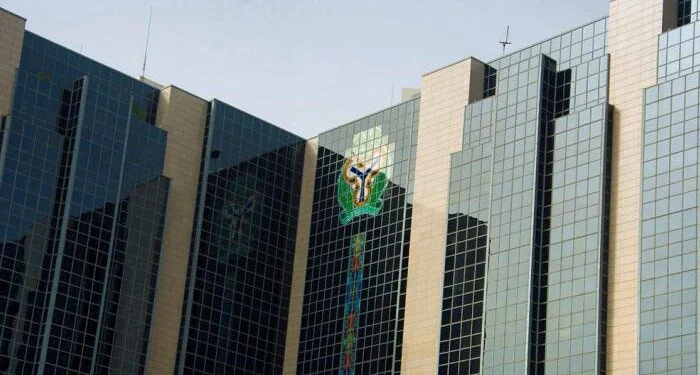
CBN-VUILDING-700×375Nigerian deposit money banks disbursed a total of N60.35tn in credit to the manufacturing sector in the first nine months of 2025, a 20.44 per cent decline from the N75.86tn recorded in the corresponding period of 2024, The PUNCH has found.

An analysis of the Central Bank of Nigeria’s Quarterly Statistical Bulletin for the third quarter of 2025 indicated that lending to manufacturers slowed significantly during the period, reflecting the tight credit conditions the sector faced amid elevated borrowing costs.

Manufacturers have long called for a deeper rate cut that “can meaningfully lower the cost of credit and stimulate real sector investment”, as the apex bank gradually eased the interest rate benchmark.

The data showed that banks extended N60.35tn to manufacturers between January and September 2025, down from N75.86tn in the same period of 2024.

Monthly disbursement in 2025 revealed that January (N8.31tn) and February (N8.03tn) recorded the highest credit allocations to the sector.

On the other hand, September (N7.09tn) and June (N7.09tn) posted the lowest disbursements during the period.

In 2024, however, credit flows were significantly stronger. The highest disbursements were recorded in February (N10.88 tn) and January (N10.02 tn), while the lowest allocations were in September (N8.67 tn) and March (N8.70 tn).

Further analysis showed that the average monthly credit to manufacturers dropped to approximately N6.71tn in 2025, compared to approximately N8.43tn in 2024, signifying the tightening financial conditions that constrained industrial financing.

The 20.44 per cent decline came despite recent monetary policy easing by the apex bank. After maintaining a tight stance for years, the CBN made its first interest rate reduction in five years in 2025, cutting the Monetary Policy Rate by 50 basis points to 27 per cent from a historic high of 27.5 per cent.

In February 2026, the Monetary Policy Committee again reduced the benchmark interest rate by 50 basis points to 26.5 per cent, signalling the start of a gradual easing cycle.

Private sector groups have welcomed the signal which the easing came with while staying cautiously optimistic for a real impact. In an interview with The PUNCH, the Director-General of the Manufacturers Association of Nigeria, Segun Ajayi-Kadir, said the interest rate reduction could stimulate the real sector if banks transmit the lower policy rate to borrowers.

“The Monetary Policy Committee of CBN announced the reduction of the benchmark interest rate by 50 basis points from 27 per cent to 26.5 per cent at the end of the committee’s 304th meeting, held on 23 and 24 February 2026. Although the 50 basis points cut looks inconsequential, the implication for the economy, especially in the manufacturing sector, is significant,” Ajayi-Kadir said.

He noted that the benefits of the policy shift would depend on the willingness of banks to pass the lower rates to businesses and the stability of key macroeconomic indicators.

Ajayi-Kadir stated, “Currently, the lending rates from the commercial banks hover around 32 per cent to 37 per cent. A reduction in the Monetary Policy Rate by the Central Bank of Nigeria will have positive impacts on the real sector through several key channels, including lower borrowing costs for businesses, increased investment and employment, expansion of SMEs, increased demand for locally produced goods and stimulation of economic growth.”

MAN had earlier urged the apex bank to adopt more aggressive easing to support industrial growth. “The time has come for the apex bank to take a bolder step by introducing a deeper rate cut that can meaningfully lower the cost of credit and stimulate real-sector investment. Growth cannot thrive where capital remains prohibitively expensive,” the association stated in its Manufacturers CEO’s Confidence Index report for the third quarter of 2025.

MAN is not alone in holding the position that executing more actions to improve the flow of easing interest rates is necessary. The Centre for the Promotion of Private Enterprise has called for improved transmission of the MPR easing at the level of commercial banks.

The Chief Executive Officer of the CPPE, Dr Muda Yusuf, said in a policy document that the gradual interest rate easing cycle could improve investor sentiment and support credit expansion in the economy.

“This policy direction is appropriate and growth-supportive. It reflects improving macroeconomic fundamentals and reinforces confidence in the economy’s stabilisation trajectory,” Yusuf said.

He, however, warned that structural challenges within the financial system could limit the impact of the policy easing. “A major concern remains the weak transmission mechanism between monetary policy adjustments and actual lending rates in the real economy. Despite reductions in the MPR, lending rates to businesses remain elevated due to structural factors including high cash reserve ratio, elevated cost of deposits, risk premiums and crowding-out effects from government borrowing,” Yusuf added.

He stressed that unless these constraints are addressed, the benefits of lower policy rates may not translate into cheaper credit for manufacturers and other productive sectors.

Industry stakeholders have repeatedly argued that high interest rates, alongside rising energy costs, logistics bottlenecks and exchange rate volatility, have constrained production and investment across the country’s manufacturing sector.


11Plc MD Oyebanji retires after 45-year service

OtunbaAdetunji OyebanjiThe Managing Director of 11Plc, Mr Adetunji Oyebanji, will retire from the company after 45 years of service.


The development was contained in a notice signed by the Company Secretary and addressed to NASD Plc and the investing public, dated March 3, 2026. The retirement will take effect from March 31, 2026, after over 45 years of dedicated service to the organisation.

The Board of Directors of 11Plc expressed its profound gratitude to Oyebanji for his leadership and invaluable contributions to the company and wished him the best in his future endeavours.

Adetunji Oyebanji was appointed Chairman and Managing Director of then Mobil Oil Nigeria Plc in October 2008 and, following the divestment of ExxonMobil, became the Managing Director/Chief Executive Officer of 11Plc in April 2017.

The Board of Directors acknowledged Oyebanji’s remarkable career with the company, describing it as a testament to his unwavering commitment, passion, and expertise in the oil and gas industry.

He joined Mobil Oil Nigeria Plc in 1980 as a Marketing Representative Trainee and progressed through various leadership positions, demonstrating exceptional leadership and strategic vision. These include Planning Associate, Pricing Manager, District Manager, Branch Manager, Manager, Fuels Services, and Executive Director, Fuels.

His appointment as Managing Director/CEO in 2017 marked a significant milestone in his illustrious career, and he has steered the company through a period of significant transformation and growth.

Apart from his role in the company, Oyebanji has played significant roles in the oil and gas industry and the economy at large. He is currently the President and Chairman of the Council of the Chartered Institute of Directors, Nigeria.

He was a past Chairman of the Major Energy Marketers Association of Nigeria, as well as the Petroleum Downstream Group of the Lagos Chamber of Commerce and Industry. He was also a past Council member of the Nigerian Institute of Management and the LCCI. He was a board member of the Society for Corporate Governance, Nigeria, for over 10 years.

Oyebanji’s career extended well beyond Nigeria’s shores. He served at various points in his career as a Project Associate at Mobil Oil Corporation’s headquarters in Fairfax, Virginia, United States, as well as Manager, Planning of Mobil Africa Sales Inc.

He also served as an Executive Director at Mobil Oil Cameroon and later at Mobil Oil Ethiopia. Eventually, he took on a global leadership role as Manager, Industrial and Wholesale Fuels, Africa and the Middle East, based in Belgium and reporting functionally to the Global I&W Manager.

The Board of Directors thanked Oyebanji for his tireless efforts and dedication to 11 Plc and wished him a happy and healthy retirement. The board also appreciated his contributions to the company’s success and said it was grateful for his legacy, which will continue to inspire future generations

FAAN Hails Tinubu’s Intervention, Adopts Hybrid Approach for Airport Cashless Toll System

FAAN boss explains Tinubu's suspension of airport cashless toll policy -  The Nation Newspaper
The Managing Director of the Federal Airports Authority of Nigeria (FAAN), Mrs. Olubunmi Kuku, has welcomed the directive of President Bola Ahmed Tinubu to refine the implementation of the airport cashless toll policy, describing the decision as a major win for the aviation sector.
Briefing aviation correspondents, the FAAN boss said the President’s directive, conveyed through the Minister of Aviation and Aerospace Development, Festus Keyamo, followed deliberations at the Federal Executive Council (FEC), where the federal government advised that the process should not be completely suspended but improved before full enforcement.
According to her, the agency had earlier begun preparations for the cashless system in October last year through public enlightenment campaigns, including collaboration with the National Orientation Agency to sensitise the public across social media platforms.
She explained that the authority was implementing a federal government directive but had initially proposed a hybrid model that would allow both cash and automated payment options.
The FAAN Managing Director said President Tinubu’s intervention demonstrated a clear understanding of operational realities in the aviation environment, particularly the traffic congestion experienced during the early rollout of the policy.
“We actually thank Mr. President for this laudable initiative. The fact that the President is not just rolling out policies but also understanding the nature of every environment is commendable”, she said.
She noted that the heavy traffic gridlock observed around airport toll gates especially in Lagos prompted the decision to temporarily revert to a hybrid system that allows both cash payments and electronic options.
According to him, while the technology deployed for the cashless system recorded about 99 percent success, the location of toll gates and the high volume of commuters in airport corridors contributed significantly to the congestion.
“In Lagos, the airport road is used not only by passengers but also by workers and commuters travelling to other areas such as Ikeja and surrounding locations. This creates unique users every day, not just repeat users,” she explained.
Despite the initial challenges, FAAN recorded significant adoption levels for the system. The Managing Director revealed that over 100,000 users had already registered for the cashless payment platform between October and early March, with about 60,000 registrations occurring within the last three days before enforcement.
She described the figure as a strong indicator of public acceptance and growing awareness.
The FAAN chief said the Federal Government has now granted the agency additional time to refine the system, expand user onboarding, and improve public awareness before reintroducing full implementation.
Kuku explained that FAAN would continue working with private sector partners to improve the technology, expand payment channels including cards and electronic tags and apply lessons from similar systems in other countries.
According to her, the extended timeline will also allow FAAN to strengthen pilot testing and address operational challenges encountered during the initial rollout.
While cash payments have been temporarily reintroduced, the Managing Director assured that the authority would implement stricter checks and accountability mechanisms to minimise revenue leakages.
She noted that one of the key objectives of the cashless initiative was to ensure that all toll revenues are properly remitted to the Federal Government.
“All the necessary checks and balances will be put in place to ensure transparency and reduce leakages even as we operate the hybrid model,” he added.
The FAAN boss emphasised that the cashless policy has not been cancelled but is undergoing refinement to ensure smoother implementation and improved user experience for airport passengers and other road users.
Tinubu renews NIPSS DG appointment

President Bola Ahmed Tinubu has approved the renewal of Prof. Ayo Omotayo’s appointment as Director-General of the National Institute for Policy and Strategic Studies (NIPSS), Kuru, Plateau State, granting him a final four-year term.
The decision was disclosed on Wednesday in a statement issued by the President’s spokesperson, Mr. Bayo Onanuga.

According to the statement, the renewal underscores the administration’s confidence in Omotayo’s leadership and his contributions to strategic policy formulation and national development.

The News Agency of Nigeria (NAN) reports that Omotayo was first appointed to the position in November 2021 by former President Muhammadu Buhari.

His appointment was subsequently confirmed by the Senate in February 2022.

A Professor of Environmental Sustainability, Omotayo holds a PhD in Geography from the University of Ibadan, where he studied between 1980 and 1990.

He began his academic career at Lagos State University in 1985 and rose swiftly through the ranks, becoming a Senior Lecturer in 1992 at the age of 30.

He later served as Dean of the Faculty of Social Sciences from 2012 to 2017 and, prior to his appointment as NIPSS Director-General in 2021, was Director of the Centre for Planning at Lagos State University.

NIPSS, Nigeria’s premier policy think tank, plays a pivotal role in training senior public officials and fostering informed discourse on national policy and strategic governance.

NIPCO to deploy 20 new CNG stations nationwide

cngNIPCO Gas Limited has announced that it is constructing 20 additional compressed natural gas stations across Nigeria as part of efforts to deepen gas utilisation and support the Federal Government’s clean energy and post-subsidy reform agenda.
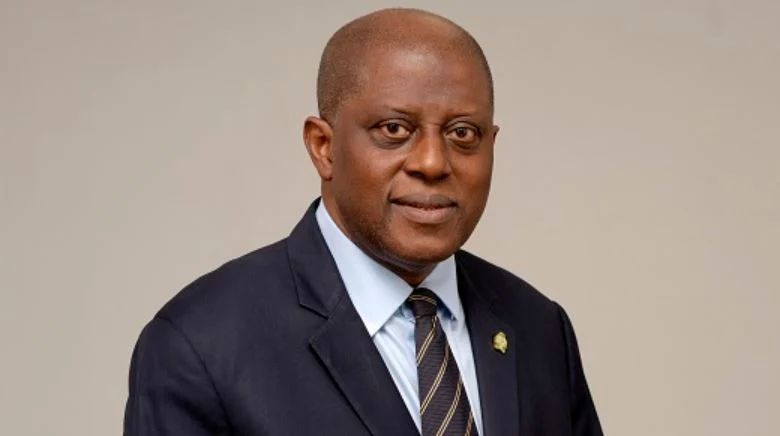
The Managing Director of NIPCO Gas Limited, Nagendra Verma, disclosed this during a media engagement held recently at his office in Lagos, where the company outlined its ongoing expansion initiatives within Nigeria’s evolving energy landscape.

“Aligned with the Federal Government’s clean energy and post-subsidy reform agenda, NIPCO Gas Limited, in a joint venture with NGML, is currently constructing 20 additional Compressed Natural Gas stations across Nigeria,” Verma stated.

He added that the expansion also includes the development of strategic compression hubs to support distribution nationwide. According to him, the nationwide rollout is designed to improve access to gas-powered mobility infrastructure along critical routes and urban centres.

Verma elaborated, “In addition, CNG mother stations located at Lekki and Ore are at advanced stages of completion.

These facilities will serve as primary compression and dispatch hubs, enabling the efficient supply of CNG to daughter stations and industrial customers across various regions.

“The nationwide expansion is strategically designed to ensure broader coverage along key transport corridors and high-traffic urban centres, thereby improving accessibility and affordability of CNG for commercial vehicles, fleet operators, mass transit systems, and private motorists.”

He explained that the company would leverage a network-based distribution model to extend supply beyond pipeline-connected locations.

“Through the mother-daughter network model, reliable gas supply will be extended to areas not directly connected to pipeline infrastructure,” he added.

Verma stressed that all facilities under development are being executed in line with regulatory and safety standards, adding that the expansion would have broader economic and environmental benefits.

“This expansion is expected to generate significant employment opportunities, reduce transportation fuel costs, stimulate enterprises within the mobility value chain, lower carbon emissions, and contribute to improved air quality,” he highlighted.

Emphasising the company’s wider commitment to Nigeria’s gas development agenda, Mr Verma said NIPCO Gas remains well positioned to advance energy security and sustainable growth through continued infrastructure investments.

Beyond the CNG rollout, the company is also expanding pipeline and distribution infrastructure in the South-West. Mr Verma disclosed that, pursuant to a mandate granted by the Nigerian National Petroleum Company Limited, NIPCO Gas Limited, in partnership with NNPC Gas Marketing Limited, is constructing an 18-inch, 80-kilometre natural gas pipeline from Sagamu to Ibadan.

He stated that the project is scheduled for completion by June or July 2026 and is expected to improve gas availability for industries and commercial consumers in Ogun and Oyo states, as well as adjoining areas.

“This critical infrastructure will enhance manufacturing competitiveness, reduce production costs for industries currently dependent on alternative fuels, and stimulate regional economic growth,” he asserted.

The firm is also developing gas distribution infrastructure from Sagamu to Abeokuta in Ogun State to deepen gas penetration within the South-West.

CBN receives locally sourced LBMA-Standard Gold into foreign reserves

…As Cardoso advocates reforms to unlock Nigeria’s mineral potential
 The Central Bank of Nigeria (CBN) has taken delivery of responsibly sourced gold refined to London Bullion Market Association (LBMA) Good Delivery standards into its foreign reserves.
This brings the CBN’s total gold holdings to $3.5 billion, marking a significant step in its reserve diversification strategy.
The gold, sourced in Nigeria, was aggregated by the Solid Minerals Development Fund (SMDF) through the National Gold Purchase Programme (NGPP).
 The programme involves local miners and operates within a responsible sourcing framework aligned with the Organisation for Economic Co-operation and Development (OECD) Due Diligence Guidelines and the World Gold Council’s London Principles.
Speaking at the one-day Workshop on Strategies to Maximise the Economic Benefits of Minerals in Nigeria on Friday, February 27, 2026, the Governor of the Central Bank of Nigeria (CBN), Mr. Olayemi Cardoso, disclosed that the CBN acquired the monetary-grade gold in Naira at pricing linked to LBMA benchmarks, a structure designed to preserve Nigeria’s foreign exchange holdings while strengthening the nation’s gold reserves. By purchasing domestically refined gold without deploying foreign currency, he said, the transaction enhances reserve accretion and supports broader macroeconomic stability objectives.
Mr. Cardoso also highlighted major shifts in global reserve management strategies, noting their increasing importance amid rising global economic uncertainties. He described the event as a reflection of Nigeria’s shared commitment to responsible and strategic management of its mineral resources. He emphasised that the workshop underscores the nation’s readiness to adapt to the realities of an evolving global economy, where resilience, diversification, and prudent governance have become increasingly vital.
He further explained that the session, convened by the CBN’s Corporate Secretariat and Reserve Management Departments, was designed to create a structured platform for engagement with key players in the gold sector and to deepen understanding of the industry’s current landscape, opportunities, and challenges across its value chain.
The Governor noted that central banks around the world are prioritising economic resilience amid persistent geopolitical and market uncertainties. Gold, he said, has regained importance as a hedge against inflation and volatility, while other critical minerals are increasingly shaping global supply chains and advanced industrial development.
Mr Cardoso emphasised that Nigeria’s immense natural and human resource potential can only be fully realised through prudence, strategic coordination, and long-term planning. He highlighted the need for strict adherence to internationally recognised standards, stressing that institutional credibility depends on strong governance frameworks.
The Executive Secretary of the Solid Minerals Development Fund (SMDF), Hajiya Fatima Umaru Shinkafi, highlighted that the successful delivery of LBMAstandard gold demonstrates the strength of the organisation’s formalisation framework and supply chain duediligence processes. The World Gold Council’s Director of Central Banks and Public Policy, Ms Kurtulus Taskale Diamondopoulos, commended both the CBN and SMDF for designing the Nigerian Gold Purchase Programme (NGPP) in line with the twelve London Principles for responsible artisanal and small-scale gold sourcing. She noted that the partnership between the CBN as sole off-taker and the SMDF as fiscal and supplychain manager offers a strong model for other countries seeking to strengthen similar programmes.
The President and CEO of the Africa Finance Corporation (AFC), Mr. Samaila Zubairu, reaffirmed AFC’s commitment to financing and formalising Nigeria’s mineral sector, stressing the importance of accurate data and mineral processing infrastructure to attract investment, improve gold recovery, reduce environmental impact and support central bank purchases. Also speaking, the Executive Vice Chairman of Kian Smith Gold Company, Ms. Nere Emiko, underscored the urgent need for Nigeria to build strategic gold reserves and leverage commodity exchanges, noting the country’s low reserve levels relative to peers and calling for greater investment in exploration and transparency.
The Domestic Gold Purchase Programme forms part of the Central Bank’s broader strategy to enhance reserve quality, reduce external vulnerabilities, and position Nigeria’s mineral wealth as a pillar of long-term economic stability.
Nigeria’s Manufacturing Sector Loses Foreign Investment Appeal as Capital Inflows Plummet 54% in 2025

Lagos, Nigeria – March 2026 – Nigeria’s manufacturing sector suffered a sharp decline in foreign investment in 2025, even as total capital inflows into the country more than doubled, raising concerns about industrial growth and economic diversification.


According to the National Bureau of Statistics (NBS), total capital importation surged by 131.96% year-on-year, reaching $16.78 billion between January and September 2025, up from $7.23 billion in the same period of 2024. However, foreign investment in manufacturing plummeted by 54.11%, dropping to just $463.52 million—a mere 2.76% of total inflows.

Quarterly Volatility Highlights Investor Caution

The data reveals erratic trends:

Q1 2025: $129.92 million

Q2 2025: $261.35 million (brief rebound)

Q3 2025: $72.25 million (steep decline)

Meanwhile, overall capital inflows remained strong, rising from $6.01 billion (Q1) to $6.24 billion (Q2) before moderating to $4.53 billion (Q3).

Why Are Investors Avoiding Manufacturing?

Segun Ajayi-Kadir, Director-General of the Manufacturers Association of Nigeria (MAN), blamed structural bottlenecks, inflation, FX volatility, and poor infrastructure for the sector’s declining appeal.

“Foreign investors are wary of long-term manufacturing projects due to high operational risks,” he said. “Unstable power, costly logistics, port inefficiencies, and policy uncertainty make Nigeria less competitive compared to sectors with quicker returns.”

Economic Diversification at Risk

Analysts warn that Nigeria’s reliance on short-term portfolio flows (rather than productive FDI) threatens job creation and industrialization. Manufacturing is crucial for economic diversification, but dwindling investment could:

Stall expansion plans

Reduce capacity utilization

Weaken job growth

What Needs to Change?

Industry leaders urge urgent reforms:

Stabilize FX & Curb Inflation – Restore investor confidence with predictable policies.

Fix Infrastructure Gaps – Reliable power, transport, and port efficiency are critical.

Ensure Policy Consistency – Clear regulations and incentives for value-added production.

Lower Financing Costs – Affordable credit is essential for local and foreign-backed ventures.

The Bottom Line

While Nigeria attracts record capital inflows, the real challenge is channeling funds into factories—not just financial markets. Without decisive action, the manufacturing slump could deepen unemployment and stall economic transformation.

ZENITH BANK SET TO HOST 2026 INTERNATIONAL WOMEN'S DAY SEMINAR IN LAGOS


Zenith Bank Plc will commemorate the 2026 International Women’s Day with a renewed call to
purposeful action and leadership. As part of preparations to celebrate this significant occasion, the
Bank is set to hold its annual International Women’s Day Seminar on Monday, March 9, 2026, at
The Civic Centre, Victoria Island, Lagos.
Aligned with the global theme ‘Give to Gain” which underscores the principle that sustainable
progress is achieved when individuals and institutions invest intentionally in women, Zenith Bank’s
2026 IWD seminar is themed “Take It, You Own It.” The theme reflects the Bank’s belief that while
institutions must give through enabling environments and equitable systems, women must also
step forward to claim space, own their value, and lead with confidence. It is both an affirmation and
a challenge: embrace opportunity, empower yourself and others, and take ownership of your
growth journey.
Building on the success of previous seminars, including the 2025 edition themed “Winning On All
Fronts”, Zenith Bank’s 2026 programme is designed to deepen meaningful engagement around
women’s empowerment, leadership, and sustainable impact. Over the years, the Bank’s
International Women’s Day initiatives have brought together women leaders, professionals,
entrepreneurs, and emerging talents for dynamic dialogue, inspiration, and shared learning around
gender equity, professional growth, and inclusive opportunity.
More than a commemorative gathering, the 2026 seminar is designed as a convergence of
influence, insight, and inspiration, bringing together accomplished women and progressive leaders
across business, governance, creative industries, technology, and social impact.
Speaking ahead of the Seminar, the Group Managing Director/CEO, Dame Dr. Adaora Umeoji,
OON, who will deliver the welcome address, said “The International Women’s Day is a reminder
that progress requires intentionality. ‘Give to Gain’ speaks to the responsibility institutions have to
create real opportunities, while our theme ‘Take It, You Own It’ challenges women to step forward
boldly and lead. At Zenith Bank, we are deliberate about building environments where women are
supported to grow, thrive, and shape outcomes, not only within our institution but across the
communities and industries we serve.”
The seminar will include segments focused on leadership insight, professional empowerment,
wellbeing, and collaboration, offering attendees opportunities to engage deeply with thought
leadership and practical strategies for advancing equity.
With a carefully curated programme spanning keynote addresses, panel conversations, Q&A
sessions, and creative interludes, Zenith Bank’s 2026 International Women’s Day Seminar
promises to be a catalyst for meaningful action.

Through its alignment with “Give to Gain” and its bold seminar theme, “Take It, You Own It,” Zenith
Bank reaffirms its belief that when institutions give intentionally and women lead confidently, entire
ecosystems rise. As conversations around inclusion continue to shape the future of business and
society, the Bank remains resolute in its mission to foster platforms where women’s potential is
recognised, amplified, and fully owned.

NAFDAC warns against underage drinking of sachet, small-bottle alcohol

The National Agency for Food and Drug Administration and Control, NAFDAC, has highlighted the risks of underage drinking and minors consuming alcoholic beverages sold in small sachets and small PET bottle packaging.


NAFDAC explained that underage drinking can lead to violence and injuries, noting that alcohol is a significant contributor to youth suicides, murders, and car crashes or accidents.

The agency said alcohol also plays a major role in kidnappings, banditry, terrorism, and other harmful activities occurring daily in the country.

It listed the associated dangers, insisting that there is no justification to reverse the ban on the production, sale, and use of sachet alcohol and small PET bottle packs.

During a press briefing in Abuja on Tuesday, the Director-General of NAFDAC, Prof. Mojisola Christianah Adeyeye, stated that alcohol is one of the most commonly used substances by young people and is becoming an increasingly serious public health issue in Nigeria.

She said that easy availability and accessibility of alcohol have contributed to more teenagers drinking.

Prof. Adeyeye cited findings showing that 54.3% of minors and underage individuals obtain alcohol on their own from various sources, while 49.9% purchase it from stores selling drinks in sachets and PET bottles.

She noted that smaller percentages of underage individuals obtain alcohol from liquor stores (15.4%), restaurants (12.6%), and supermarkets (7.9%). The results also show that young people under the legal drinking age acquire alcohol from friends and family (49.9%) and at parties or social events (45.9%).

Among those who purchase alcohol for themselves, 47.2% of minors and 48.8% of underage individuals buy drinks in sachets, 41.2% of minors and 47.2% of underage individuals buy drinks in plastic bottles, and 27.6% of underage individuals buy alcohol in glass bottles.

She added that the purchase of drinks in sachets and PET bottles was most commonly reported in Rivers (68.0% and 64.5%), Lagos (52.3% and 47.7%), and Kaduna (38.6% and 28.4%) states, compared to other states.

“The percentage of drinks bought in sachets is higher among males (51.4%) than females (41.5%), and more common in rural areas (50.1%) than in urban areas (45.3%),” she added.

Prof. Adeyeye also said that most young people and underage individuals (54.3%) buy alcohol on their own, 49.9% get it from friends or family, 45.9% get it at social events, and 21.7% obtain it from their parents’ homes.

She emphasized: “Of the minors and underage individuals who get alcohol for themselves, 47.2% of minors and 48.8% of underage people get it in sachets, 41.2% of minors and 47.2% of underage people get it in PET bottles, and 27.6% of underage people get it in glass bottles.”

She explained that “drinking alcohol before the age of 21 can harm health and may damage parts of the brain, such as the hippocampus, responsible for memory, and the prefrontal cortex, which helps with thinking and impulse control.

“This can lead to long-term problems with learning, memory, and decision-making. Early drinking can also damage the liver and kidneys, cause high blood pressure, disrupt hormone levels and growth, and increase the risk of cancer later in life. It also raises the likelihood of depression, anxiety, and low self-esteem. Youth who start drinking before age 15 are 41% more likely to develop alcohol dependence.

“Alcohol contributes significantly to youth suicides, violent deaths, and road accidents. It is also closely associated with unprotected sex, leading to unintended pregnancies and sexually transmitted infections. Drinking frequently affects academic performance, causing lower grades, absenteeism, and impaired cognitive function.”

NAFDAC stated that the Senate has directed it not to grant any further extensions to the current moratorium and to strictly enforce the ban on sachet alcohol and alcohol in small (<200 ml) PET bottles. The agency also urged the Federal Ministry of Health and Social Welfare to support enforcement of the ban.

“They also urge the Federal Ministry of Health and Social Welfare to release the National Alcohol Policy, which includes a ban on alcohol in sachets and small-volume (<200 ml) packaging,” the DG added.

“The Senate further urged the National Orientation Agency and NAFDAC to work together to increase nationwide awareness about the dangers of drinking alcohol from sachets and small bottles. Banning small pack sizes, like sachets and bottles under 200 ml, could help reduce underage drinking.”

Fuel price spike triggers fresh naira-for-crude supply calls

Petrol prices rose to N937 per litre on Tuesday amid escalating tensions in the Middle East, prompting oil marketers and refinery operators to urge the Federal Government to provide more crude oil to the Dangote Petroleum Refinery in naira to help stabilise domestic fuel prices.

The PUNCH reported on Monday that the Dangote refinery increased its gantry price from N774 to N874. The adjustment followed a jump in oil prices to $84 per barrel, up from below $70 days before the airstrikes involving the United States, Iran, Israel, and other countries.

“The new gantry price is now N874 per litre from N774. The review became necessary due to changes in global crude fundamentals and replacement costs,” an official of the Dangote refinery said.

Following the increment, filling stations on Tuesday raised their pump prices to N937 or N935, depending on the location. A survey by our correspondents confirmed that an MRS filling station in Obalende, Lagos, sold petrol at N937 on Tuesday.

The MRS and Petrocam stations in Mowe, Ogun State, dispensed petrol at N935, while Heyden offered N930. Similarly, SAO, SGR, and AP sold the product at N925. Matrix also dispensed the fuel at N937.

Before the Middle East crisis, some filling stations had already been selling premium motor spirit at prices ranging between N812 and N839, depending on the location. However, the crisis over the weekend disrupted the global fuel market, affecting Nigeria and other countries.

Reacting in a statement on Tuesday, the Petroleum Products Retail Outlet Owners Association of Nigeria emphasised the urgent need to consolidate and strengthen Nigeria’s domestic refineries, particularly the Dangote refinery, through the provision of adequate and consistent crude oil supply in naira.

According to PETROAN’s spokesperson, Joseph Obele, this “proactive approach” is essential to minimising the impact of external geopolitical shocks on the nation’s petroleum market.

The National President of PETROAN, Billy Gillis-Harry, expressed deep concern over the ongoing military escalation involving the United States, Iran, Israel, and allied nations, and its far-reaching implications for the global energy industry, particularly Nigeria’s petroleum sector.

According to him, recent geopolitical tensions have significantly disrupted global energy markets and supply chains.

PETROAN noted that hostilities in the Middle East, especially around the strategic Strait of Hormuz, through which approximately 20 per cent of the world’s crude oil supply passes daily, have triggered sharp volatility in international oil prices and heightened uncertainty regarding supply continuity.

It added that as the conflict intensified, global crude oil benchmarks had surged, with analysts projecting that prices could exceed $100 per barrel if disruptions persist, noting that the upward trend reflected growing concerns over potential supply shortages should shipping activities through the Strait of Hormuz remain restricted.

PETROAN stated that any sustained increase in crude oil prices would inevitably be reflected at petroleum retail outlets across Nigeria. “If the crisis continues, the impact will extend beyond pump prices to affect foreign exchange stability, domestic fuel pricing structures, and overall inflation levels within the country,” Gillis-Harry warned.

The association urged the Federal Government to encourage and prioritise local refineries by ensuring a steady crude oil supply in naira, particularly to the Dangote refinery, and by creating enabling policies that support optimal operations.

PETROAN also called on the government to sustain and strengthen the Naira-for-Crude policy to reduce pressure on foreign exchange and stabilise domestic fuel pricing.

“In view of these developments, PETROAN calls for urgent and strategic actions to safeguard Nigeria’s energy security: encourage and prioritise local refineries by ensuring a steady crude oil supply in naira, particularly to the Dangote refinery, and create enabling policies that support optimal operations. Sustain and strengthen the Naira-for-Crude policy to reduce pressure on foreign exchange and stabilise domestic fuel pricing.

“Urgently revamp the four government-owned refineries to restore them to full operational capacity and reduce dependence on imported petroleum products. Monitor global market developments and respond proactively to emerging risks. Advocate policies that strengthen domestic refining capacity and reduce reliance on imports. Support measures aimed at shielding consumers from excessive fuel price shocks,” the statement stated.