REA partners Lotus Bank on renewable energy finance

just-REA-logoThe Rural Electrification Agency and Lotus Bank have moved to scale up renewable energy financing in Nigeria with plans to establish a dedicated funding facility under the Distributed Access through Renewable Energy Scale-up programme.

In a statement on Sunday, the REA said the development followed a high-level meeting between both institutions recently, marking a shift from project-by-project financing to a structured, large-scale financial framework aimed at accelerating energy access nationwide.

Speaking during the engagement, the Managing Director of the REA, Abba Aliyu, urged Lotus Bank to adopt a bold and deliberate approach by setting a clear global funding target for the proposed facility. He stressed that Nigeria’s energy transition would only achieve meaningful impact if financing moved beyond pilot projects to support rapid developer scale-up.

Aliyu said the new facility must be backed by strong internal standards and a design that enables renewable energy developers to expand operations quickly across underserved and unserved communities.

“That level of intentionality is exactly what the sector needs if we are serious about moving from pilots to impact at scale,” he stated.

Lotus Bank, which has already supported several DARES-linked projects, is expected under the new arrangement to institutionalise its commitment by creating a standalone financing window dedicated to renewable energy deployment.

The partnership reflects a growing shift among Nigerian financial institutions, which are increasingly recognising renewable energy not merely as a social intervention but as a commercially viable and bankable sector.

The statement added that both organisations are currently working towards the signing of a Memorandum of Understanding to formalise the collaboration. The MoU is expected to unlock structured capital capable of significantly accelerating the rollout of clean energy solutions across rural and peri-urban areas.

The REA expressed optimism that the initiative would serve as a blueprint for other commercial banks, helping to mobilise private-sector investment and close Nigeria’s persistent energy access gap through sustainable financing models.

“Both organisations are now working toward the signing of a formal Memorandum of Understanding to institutionalise the partnership. This agreement is expected to provide the structured capital necessary to accelerate the deployment of clean energy solutions to underserved and unserved communities nationwide.

“The REA remains optimistic that this collaboration will serve as a model for other commercial banks, building the necessary momentum to bridge Nigeria’s energy deficit through sustainable, private-sector-led investment,” the statement concluded.

Port modernisation key to economic expansion – NPA boss, Dantsoho

Dantosho1In Nigeria, the port authority is owned by the government and manages navigation, safety, and maintenance of the channels, while cargo operations have been privatised to multinational and local terminal operators such as MSC and APMT. With a large and growing population of over 230 million and Africa’s leading economy, we require a more efficient port system than what we inherited. Fortunately, we now have forward-looking leadership in His Excellency, President Bola Tinubu, GCFR, who created the Federal Ministry of Marine and Blue Economy to supervise the NPA and appointed a result-oriented professional in the person of the Minister of Marine and Blue Economy, Adegboyega Oyetola, who is poised to do a lot in terms of expansion, upgrading and rehabilitation to meet our projected capacity. This has motivated us to deploy our experience into transforming the ports.

How would you describe the current state of Nigeria’s port infrastructure?

With regard to port infrastructure, what we failed to do early enough was to construct brand-new ports, which we have now aggressively commenced with the operationalisation of the Lekki Deep Seaport, which is fully automated and has a natural draught of 17 metres. We are also ramping up investment in order to build more deep-seaports.

Our major ports, such as Apapa and Tin Can, are outdated. The Port of Apapa was built 100 years ago. Even though it has 24 berths, most of them are old. Limited expansion and modernisation make it difficult to accommodate larger, modern vessels. Our second-biggest port, Tin Can, was built almost 50 years ago. However, vessel sizes, speed, and the technology that drives them have changed significantly, making it difficult for them to operate efficiently in Nigeria. Also, these two ports are river ports, so they are relatively shallow.

By contrast, neighbouring countries such as Ghana (Tema), Côte d’Ivoire (Abidjan), Togo (Lomé), and Benin (Cotonou) acted faster and are now ahead of us. Their ports are deeper and more modernised. Yet, the fact remains that we have a greater population than all of these countries and are stronger economically, but cargo is diverted there because they have strategically positioned their ports to be more efficient in terms of infrastructure, equipment, and technology. These are challenges, but also opportunities for growth, which we are poised to maximise.

How is the International Association of Ports and Harbors supporting Nigeria and other developing countries to address these issues?

This relates to our “Closing the Gaps” exercise carried out a few years ago, towards the end of the pandemic, to identify regional investment priorities for ports in areas such as infrastructure, technology, and port community systems. Since then, we have been working with regional institutions, development banks, and the World Bank to determine how investment support can be provided so that, ultimately, we have competitive ports across all regions.

The Nigerian Ports Authority is a very interesting port administration because it is closely linked to the government and the maritime administration, creating stronger coordination with the IMO than in many other countries, which is a major strength. Our challenges are numerous, but it is important to understand the history and context of Nigeria and its ports. Accurate assessment requires this historical background; you cannot simply compare Nigeria with countries like Belgium or the Netherlands. We modelled the reform of our port system on recommendations from an international consulting firm and, to a large extent, on the Antwerp system. Implementing a master plan of that nature takes time, but that is the path we have chosen.

In what ways can port modernisation drive Africa’s economic development?

Africa is unique because it is the only continent where the most populous country, which doubles as the strongest economy, does not have the biggest seaport. Africa’s total population is around 1.5 billion, so the potential is enormous, and the opportunities for growth remain intact. We still have vast mining resources in the ground, but a lack of technology, economic strategy, support, and organisation, compared with countries like China, has held us back. For example, the Port of Shanghai handled about 41 million TEUs last year, while Africa as a whole handled just 34 million TEUs. China is now investing heavily in Africa because of this gap, such as the $16bn Simandou iron ore project in Guinea Conakry.

What role will Nigeria’s ports play in boosting the wider economy?

We are adopting a multi-dimensional approach by encouraging more mining and more agriculture, so our seaports will have the capacity not only to receive imports but also to export. We are also pursuing partnerships that will lead to the establishment of a new deep-seaport in Nigeria. We already have licences or permits for six, and I hope that we can deliver at least one of them. We intend to emulate projects like Tanger-Med in Morocco, with a brand-new terminal equipped with the latest technology and developed in collaboration with the best partners in the world. With these elements in place, foreign investors will naturally be attracted, having seen the commitment of the government.

How does your role at IAPH support this transformation agenda?

I appreciate the leadership of Patrick and IAPH. His leadership style and the quality of decisions being taken are particularly important for developing economies such as those in Africa. I recall a recent board meeting where the discussions and directions were clearly focused on supporting developing systems, not only in Africa but also in smaller regions and mid-level economies like Indonesia, Malaysia, South Africa, and Nigeria. It is important for IAPH to invest more time in understanding the ecosystems of developing economies because of their strong potential. We are not seeking sympathy; we are seeking collaboration and support.

What key message would you like to leave with P&H readers?

I was fortunate to listen to experts at the World Ports Conference in Kobe last October, and I took home many ideas from that engagement. Fundamentally, we are working towards a more modernised port system in Nigeria, one capable of accommodating the critical elements governing maritime activities in the present era. We also intend to strengthen our capacity for better engagement and deeper cooperation with international groups such as IAPH and other industry bodies.

Benue: FRSC records 47.6% drop in road crash fatalities during ember months

Benue State Sector Commander of the Federal Road Safety Corps (FRSC), Kehinde Dahunsi, has revealed that road crash fatalities across the state dropped significantly during the 2025 ember months, recording a 47.6 per cent decline.

Dahunsi made this known on Friday while addressing journalists in Makurdi.

He explained that the data emerged from the FRSC’s Ember Month Road Safety Campaign, tagged Operation Zero, which was implemented between December 15, 2025, and January 15, 2026.

According to him, the ember months are usually characterised by intense vehicular traffic due to festive journeys and increased commercial activities.

The sector commander noted that the 2025/2026 operation came with notable challenges, as several ongoing road construction and rehabilitation projects across Benue State led to diversions, traffic congestion, and higher safety risks for motorists and pedestrians.

Despite these difficulties, Dahunsi said the command achieved remarkable results through strategic planning, consistent enforcement, effective traffic control, swift rescue responses, and strong cooperation with relevant stakeholders.

He disclosed that the number of road traffic crashes during the period reduced from 41 recorded in the previous ember season to 32, amounting to a 21.9 per cent decrease.

“Fatal crashes declined from 12 to eight, while serious crashes reduced slightly from 20 to 19 and minor crashes saw a sharper drop from nine to five.

“Also, 178 persons were involved in road traffic crashes during the operation, when compared to 196 in the corresponding period of the previous year.

“Of this number, 11 persons lost their lives, while 63 sustained injuries, compared to 88 previously and the number of persons rescued without injury remained constant at 87,” he said.

Dahunsi attributed the positive outcome to increased patrols, visible enforcement measures, and the use of mobile courts, which he said helped improve motorists’ compliance and discouraged traffic offences.

He added that there was a marked improvement in the use of safety devices such as seat belts, crash helmets, and speed-limiting mechanisms among drivers.

The sector commander further stated that during the operation, a total of 2,028 offenders were arrested for committing 2,128 traffic violations.

He added that 833 vehicles were impounded, while 1,195 valid vehicle documents and national driver’s licences were seized.

However, he raised concerns over lingering issues including excessive speeding, night driving, and disregard for traffic regulations, particularly around road construction areas.

Dahunsi applauded the corps marshal and the FRSC management for their leadership and support, and also commended officers and personnel of the Benue sector command for their commitment and professionalism throughout the exercise

FG concludes Enugu Airport concession with Aero Alliance

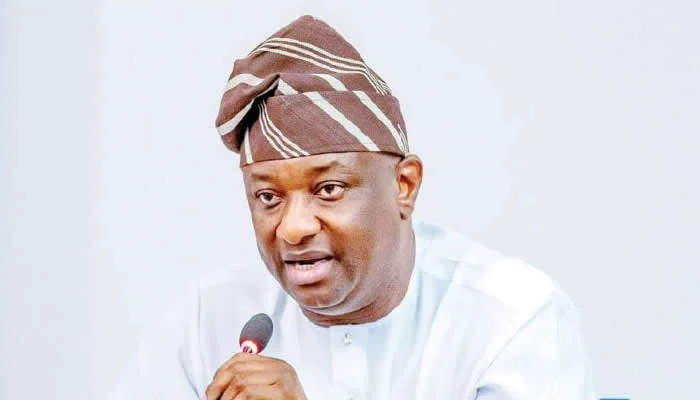
Minister of Aviation and Aerospace Development, Festus Keyamo.The Federal Government has signed the concession agreement for the Akanu Ibiam International Airport, Enugu, marking a key step in its plan to modernise aviation infrastructure through public-private partnerships.

The agreement was announced through a statement signed on Friday by the Ministry of Aviation and Aerospace Development, Festus Keyamo. The statement noted that officials from Enugu State, the Federal Airports Authority of Nigeria, and the concessionaire, Aero Alliance, were present during the signing.

Keyamo said the agreement concluded a long and transparent process that began several years ago. “Today is the end of a very long and tedious process regarding the concession of the Enugu Airport. The process culminated on the 31st of July, 2025, when the Federal Executive Council approved the proposal to concession the Enugu Airport, subject, of course, to contract,” the minister said.

He explained that following the Federal Executive Council’s approval, the ministry, FAAN, and Aero Alliance held extensive negotiations, including consultations with aviation unions, to protect workers’ interests.

“We did these agreements with the rights and privileges of workers uppermost in our minds. Let me say today that we have fully respected and preserved the rights of aviation workers. They have not been retrenched, their terms and conditions of employment have not changed in any way, and they remain workers of the Federal Government and FAAN,” he said.

Keyamo stressed that job security formed a central part of the concession framework. “The workers have not been short-changed in any way at all. Their jobs are safe and protected. Having taken care of the rights of workers, we then addressed other critical issues and virtually covered all areas before the signing of this agreement,” he added.

The minister noted that while the main concession agreement had been concluded, some operational matters would still be finalised. “There are two little issues after signing, in terms of operationalising the agreement, regarding security fees and the financial model of the airport. These will be resolved in the next few weeks. But as far as the main concession is concerned, we have agreed to concession the Enugu Airport to Aero Alliance today,” he said.

He described the signing as a historic milestone that would reposition the Enugu airport for improved efficiency, better service delivery, and enhanced passenger experience.

The concession of the Akanu Ibiam International Airport is part of the Federal Government’s wider aviation reform programme aimed at attracting private investment, improving infrastructure, boosting regional connectivity, and strengthening Nigeria’s competitiveness in the aviation sector.

In early 2025, the Federal Ministry of Aviation clarified that plans to concession Enugu and other airports, including Lagos and Port Harcourt, were still under review and that no fixed terms had been agreed.

The ministry said proposals from prospective concessionaires, with varying durations and financial models, were being evaluated by the Infrastructure Concession Regulatory Commission before final approval by the Federal Executive Council.

A concession is a form of public-private partnership in which a private entity operates, maintains and upgrades airport facilities for a set period while ownership remains with the government. The aim is to attract private capital and expertise to improve infrastructure and service delivery.

CBN urges balance as digital payments surge 276%

CBNDigital payments in Nigeria have recorded a 276 per cent increase in transaction volume over the past five years, underscoring rapid adoption of electronic channels, even as cash continues to play a critical role in the economy, the Central Bank of Nigeria has said.

This was disclosed at the Committee on Bank Operations Annual Conference on Friday, where the Governor, Mr Olayemi Cardoso, delivered the keynote address through his Special Adviser, Fatai Kareem.

In his address, the CBN governor highlighted the need for a balanced payment ecosystem in which digital innovation and physical cash coexist rather than compete.

According to the data presented during the keynote, the value of digital payment transactions also grew by 581 per cent over five years. The figures, drawn from industry payment infrastructure, reflect increasing consumer confidence, policy reforms, and technological innovation within Nigeria’s financial system.

Despite this growth, the CBN emphasised that cash usage has not declined. Currency in circulation rose from about N2.4tn in 2020 to approximately N5.1tn in 2025, while total currency in circulation increased by 4.6 per cent year-on-year as of December 2025.

He said, “Nigeria’s payment ecosystem has evolved significantly over the past decade. While policy remains somewhat cash-oriented, experience shows that cash continues to play a critical role, particularly in informal markets, rural communities, and among vulnerable populations.

“At the same time, electronic payments enhance transparency, efficiency, and inclusion. When properly governed, electronic channels complement cash, reduce pressure on physical currency management, and provide scalable alternatives during peak demand. The objective is balance: maintaining confidence in cash while accelerating reliable electronic payment adoption.

“Cash availability is not solely a function of currency issuance. It depends on logistics, infrastructure, incentives, and coordination among financial institutions. Failures in access—ATM outages, illiquidity—undermine confidence in the system. Banks play a critical role in shaping the future of cash.

“They must invest in technology, collaborate with regulators, improve cash deposit mobilisation, strengthen fraud prevention, and enhance digital platforms. The Central Bank remains fully committed to building a resilient, inclusive payment system by strengthening infrastructure, modernising currency management, and supporting responsible innovation.”

The governor said electronic and digital payment channels, when properly designed and governed, complement cash by easing pressure on physical currency management, improving efficiency, and providing alternatives during periods of operational stress.

He added that the strategic challenge for Nigeria is not choosing between cash and digital payments, but ensuring citizens can always access cash when needed while building trust in electronic channels for everyday transactions.

“In conclusion, progress is not measured by how quickly we adopt technology, but by how effectively systems improve lives, reduce friction, and expand productivity. The strategic challenge is not choosing between cash and digital payments, but ensuring citizens can access cash when needed while building trust in electronic channels.

“Achieving this balance requires coherent policy, strong oversight, and close industry coordination. When aligned, the payment system supports economic activity, financial inclusion, and public trust,” he asserted.

In his welcome address, the First Vice Chairman of CHBO, Tolulope Ogundipe, who represented the Chairman, CHBO, Abraham Aziegbe, said Nigeria’s financial system is at a defining crossroads, shaped by the rapid rise of digital innovation on one hand and the enduring relevance of physical cash on the other.

He said, “We stand at a defining crossroads. On one side, the breathtaking rise of digital innovation is reshaping financial services at an unprecedented pace. On the other hand, the enduring presence of physical currency continues to ramp up trust, inclusion, and stability in our economy.

“Today, our mission is clear: to explore how cash and digital can co-exist, not as rivals, but as complementary forces that shape Nigeria’s financial future. The story of cash versus digital in Nigeria is layered and complex. Yes, digital payments are surging, reflecting consumer confidence and our collective ingenuity. Yet, cash remains deeply woven into the fabric of everyday life. For millions, especially in rural communities, cash is not just convenient; it is essential.

“Recent figures from the Nigeria Inter-Bank Settlement System highlight this dual reality. Electronic transactions have soared over the past decade, yet outages and infrastructure challenges have triggered spikes in cash usage. In fact, the Central Bank of Nigeria reported that ATM withdrawals reached N36.34tn in just the first half of 2025, a staggering leap from N12.21tn during the same period in 2024. This is not a relic of the past; it is a reminder that cash remains a cornerstone of resilience, continuity, and trust. Our challenge, therefore, is not to diminish cash, but to reimagine its role.”

In his presentation, the Managing Director/Chief Executive, Bankers Warehouse Plc, warned about the high value of cash outside the banking system, describing it as a matter requiring urgent action.

He said, “There was a dislocation, there’s a trust issue. There are a few other things. There is a need to invest in infrastructure, and there’s a need to invest in power. All of those things can affect the system. The cash comes in, and it leaves the banking system.

“It is supposed to come back to the banking system every week and go out and come back—that’s where we’re talking about the velocity of funds and velocity in transactions.

“Now, what is happening is that it’s outside of the banking system, and so when it gets out, people are transacting amongst themselves outside the bank, which can affect monetary policy and impact anything that we do. It means that we cannot even tell the quantum of cash that is authentic or not outside the system. This is a problem that needs to be resolved, and we all need to solve it.”

SUBEB raises alarm over teacher absenteeism in Bauchi schools

The Bauchi State Universal Basic Education Board (SUBEB) Monitoring and Evaluation Team has raised concerns over frequent teacher lateness and absenteeism across schools in Katagum Local Government Area.
In a statement issued on Thursday by the board’s Public Relations Officer, Isah Mohammed Jungudo, the team, led by the SUBEB Director of Quality Assurance, Abbas Abdulmumini, observed that during a recent school monitoring exercise, some schools recorded up to 90 per cent teacher absenteeism, particularly at Ahmed Turaki Primary School.

Abdulmumini reiterated the need for stakeholders to ensure the proper functioning of schools, urging parents to prioritise their children’s education by ensuring punctuality.

Also speaking, the SUBEB Director of Schools Services, Malam Zuhairu Usman, reminded teachers of their critical role in shaping the future of the education sector, while calling for improved commitment and performance.
He appealed to educators to change for the better in order to build a responsible and progressive society.

Responding, the Katagum Local Education Authority Secretary, Malam Mukhtari Habu, commended the monitoring exercise, expressing optimism that it would inspire positive reforms within the education sector.
He urged teachers and education officials to intensify their efforts towards delivering quality basic education.

Schools visited during the exercise included Upper Basic Primary and Secondary School Matsango, Ahmed Turaki Primary School, Umar Faruq Primary School, and Hassan Tagwai Central Science Primary School, Azare.

Tight monetary policy reduced inflation by 10 points – CBN

CBN-VUILDING-700×375Nigeria’s sustained monetary tightening has played a central role in slowing inflation, with research estimates showing that the Central Bank of Nigeria’s policy stance accounted for as much as 10 percentage points of the decline in headline inflation, the Governor of the Central Bank of Nigeria and Chairman of the Monetary Policy Committee, Olayemi Cardoso, has said.


This was stated in his personal statement released by the apex bank on its website on Wednesday. Cardoso, in his personal statement at the Monetary Policy Committee meeting held in November 2025, described the outcome as strong counterfactual evidence of the effectiveness of monetary policy despite significant domestic and global headwinds.

He said the findings reinforced the need for bold and consistent actions to preserve price stability.

In the statement, Cardoso said, “Research estimates indicate that our tight policy stance has accounted for up to 10 percentage points of the decline in headline inflation, providing encouraging counterfactual evidence on the effectiveness of monetary policy in the current environment and a reminder of the need to consistently take bold actions.”

Data show that headline inflation declined to 16.05 per cent in October 2025 from 18.02 per cent in September and is now 8.43 percentage points lower than the 24.48 per cent recorded in January 2025.

The CBN governor noted that the disinflation has been broad-based, cutting across headline, food, and core inflation, with momentum strengthening in recent months. According to him, the slowdown reflects reduced foreign exchange volatility, lower food prices, and better-anchored inflation expectations, supported by a relatively stronger naira.

He added that the exchange rate has become significantly less volatile and has shown signs of market-driven appreciation, while foreign reserves have continued to strengthen following reforms that improved capital inflows and triggered structural shifts in Nigeria’s balance of payments.

Beyond inflation, Cardoso said macroeconomic conditions have improved, with rising investor confidence, stronger external buffers, and positive business and household sentiment supporting long-term investment in critical sectors of the economy.

However, he warned that risks to the outlook remain elevated, citing global uncertainties, geopolitical tensions, and Nigeria’s recent designation by the United States as a Country of Particular Concern. He noted that although the designation is rooted in security issues, it could have economic spillover effects.

He also identified the 2026 political cycle as a key domestic risk, given the historical link between pre-election fiscal expansion and inflationary pressures, exchange rate depreciation, and external sector stress.

The CBN governor said fiscal reforms, though necessary, often take time to deliver results and may introduce new challenges in the interim, stressing that monetary policy must remain alert and proactive to prevent any reversal in the disinflationary trend.

Cardoso said deliberations at the November meeting supported maintaining a tight monetary stance, identifying excess system liquidity as a major threat to price stability. He argued that holding policy rates steady would reinforce stability and signal confidence that the current stance is delivering the desired results.

He added that improved anchoring of overnight market rates within the standing facilities corridor shows stronger policy transmission to the wholesale market, providing room for operational adjustments to better manage liquidity conditions.

Based on this assessment, Cardoso supported retaining the Monetary Policy Rate at 27 per cent, adjusting the standing facilities corridor to +50/-450 basis points, maintaining a 45 per cent cash reserve ratio for commercial banks and a 75 per cent CRR on non-TSA public sector deposits, while keeping the liquidity ratio unchanged at 30 per cent.

BOI names Mubarak as investment subsidiary MD

Olayinka MubarakThe Bank of Industry has announced the appointment of Olayinka Mubarak as the Managing Director of BOI Investment & Trust Company Limited, its wholly owned subsidiary.
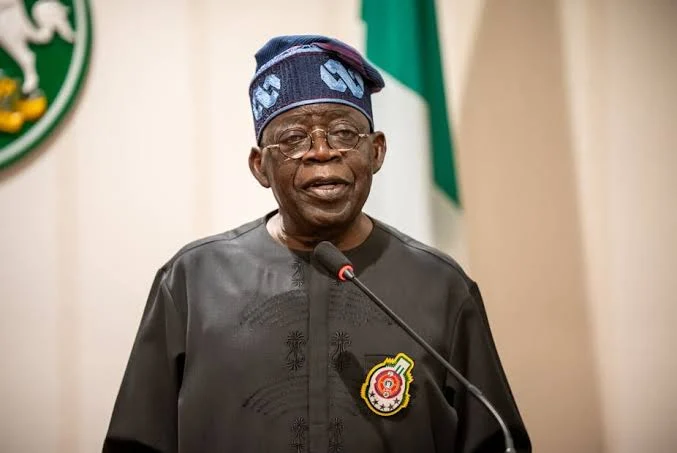
According to the bank in a statement on Thursday, Mubarak brings over 25 years of experience in banking and financial services, spanning development finance, treasury management, public sector, commercial and retail banking, corporate and private banking, as well as investment banking.

The bank added that she has attended numerous local and international training programmes, equipping her with global perspectives and best practices in financial services, leadership, and governance.

Prior to her appointment, Mubarak held various senior leadership roles at the Bank of Industry, where she was part of the team that drove significant impact across key sectors of the economy.

In 2017, she was appointed by the Federal Government to the Board of the Solid Minerals Development Fund, a role that further underscored her experience in governance and public sector oversight.

As Managing Director, Mubarak will provide strategic leadership for BOI-ITC, overseeing its core business areas of trusteeship, custodial services, financial planning, and advisory services.

The bank noted that her leadership will focus on strong governance, operational excellence, and sustainable value creation at the subsidiary.

Shell’s $5bn Bonga S’West project gets presidential support

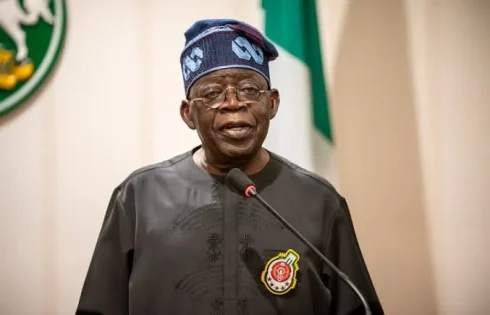
President Bola Tinubu has approved targeted incentives to unlock Shell’s long-delayed $5bn Bonga South-West deep-offshore oil project. He also directed his Special Adviser on Energy, Olu Verheijen, to facilitate the gazetting of the incentives in line with Nigeria’s existing legal and fiscal frameworks.
Tinubu gave the approval on Wednesday while receiving a Shell delegation led by its Global Chief Executive Officer, Wael Sawan, at the State House, Abuja, on Thursday.

The President’s Special Adviser on Media and Public Communication, Sunday Dare, announced the approval in a statement on Thursday titled: ‘President Tinubu approves targeted incentives to unlock jobs, FX inflows from Shell’s Bonga Southwest Project and other deep offshore projects.’

The Bonga Southwest project, located approximately 120 kilometres offshore Nigeria in water depths exceeding 1,000 metres, has been stalled for over a decade due to fiscal disagreements between the Federal Government and Shell Nigeria Exploration and Production Company and its joint venture partners.

The project, estimated to cost over $5bn, is expected to produce about 150,000 barrels of oil per day at peak capacity and holds significant potential for gas production, experts say.

Previous administrations struggled to reach an agreement with Shell on the fiscal terms for the project, with the oil giant seeking incentives to make the capital-intensive deep-water development commercially viable amid declining global oil prices and Nigeria’s challenging investment climate.

Announcing the breakthrough, Tinubu said the approved incentives are “disciplined, targeted, and globally competitive,” designed to attract new capital without undermining government revenues.

He stated, “These incentives are not blanket concessions. They are ring-fenced and investment-linked, focused on new capital and incremental production, strong local content delivery, and in-country value addition. My expectation is clear: Bonga Southwest must reach a Final Investment Decision within the first term of this administration.”

Tinubu directed his Special Adviser on Energy, Olu Verheijen, to facilitate the gazetting of the incentives in line with Nigeria’s existing legal and fiscal frameworks, including the Petroleum Industry Act 2021.

The President emphasised the strategic importance of the project to Nigeria’s economy, noting its potential to create thousands of direct and indirect jobs, generate significant foreign exchange inflows, and deliver sustained government revenues over its lifespan.

He added that the project would deepen Nigerian participation in offshore engineering, fabrication, logistics, and energy services. Tinubu reaffirmed his administration’s commitment to policy stability, regulatory certainty, and speed, noting that these reforms are critical to restoring investor confidence and positioning Nigeria as a preferred destination for large-scale energy investment.

He revealed that Shell and its partners have invested nearly $7bn in Nigeria in the past 13 months, particularly in the Bonga North and HI projects, describing this as evidence that the country’s economic and energy-sector reforms are yielding results.

Responding, Shell CEO Wael Sawan said Nigeria’s investment climate has improved remarkably under the Tinubu administration, adding that the company is increasingly confident in Nigeria as a destination for long-term investment.

The Bonga field, operated by Shell, commenced production in 2005 and was Nigeria’s first deep-water development.

NiMet predicts 3-day dust haze, thunderstorms from Thursday ‎ ‎

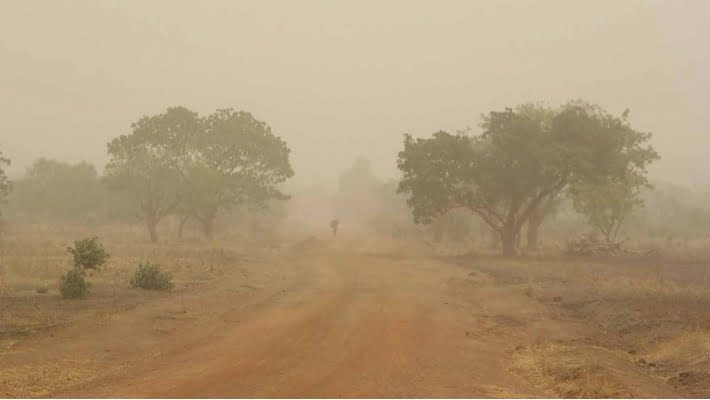
The Nigerian Meteorological Agency (NiMet) has predicted dust haze and thunderstorms from Thursday to Saturday across the country.

NiMet’s weather outlook, released on Wednesday in Abuja, forecasted slight dust haze on Thursday over parts of Kebbi, Zamfara, Sokoto, Yelwa, Katsina, Kano, Bauchi, and Gombe States in the northern region.

It also anticipated Borno, Yobe, Kaduna, and Taraba States to experience sunny and hazy skies throughout the forecast period.

“For the central region, sunny and hazy skies are expected throughout the forecast period, while slight dust haze is anticipated over parts of Nasarawa and Plateau States,” the agency said.

“For the southern region, sunny skies with a few patches of clouds are expected, with prospects of morning thunderstorms accompanied by light rain over Akwa Ibom, Cross River, and Bayelsa States.

“Later in the day, thunderstorms with light rain are expected over parts of Bayelsa, Lagos, Cross River, Ogun, Ondo, Abia, Imo, Rivers, Delta, and Akwa Ibom States,” it added.

According to NiMet, sunny and hazy skies are expected over the northern region throughout the forecast period on Friday, while the North Central region will also experience sunny and hazy conditions.

The agency forecasted sunny skies with a few patches of clouds over the southern region, with chances of afternoon or evening thunderstorms accompanied by light rain over parts of Bayelsa, Cross River, Imo, Abia, Rivers, Delta, and Akwa Ibom States.

NiMet predicted sunny and hazy skies over the northern region throughout the forecast period on Saturday and similar conditions over the North Central region.

For the southern region, sunny skies with a few patches of clouds are anticipated, with chances of afternoon or evening thunderstorms accompanied by light rain over parts of Bayelsa, Rivers, Lagos, Cross River, and Akwa Ibom States.

“Dust particles are in suspension; the public should take necessary precautions. People with asthma or other respiratory conditions should be cautious of the current weather conditions.

“Drivers should exercise caution in the rain. Airline operators are advised to obtain airport-specific weather reports (flight documentation) from NiMet for effective planning.

“Residents are encouraged to stay informed through weather updates from NiMet or visit our website at www.nimet.gov.ng,” the agency said.