‘These people are not our candidates’ – ADC rejects APC defection claim

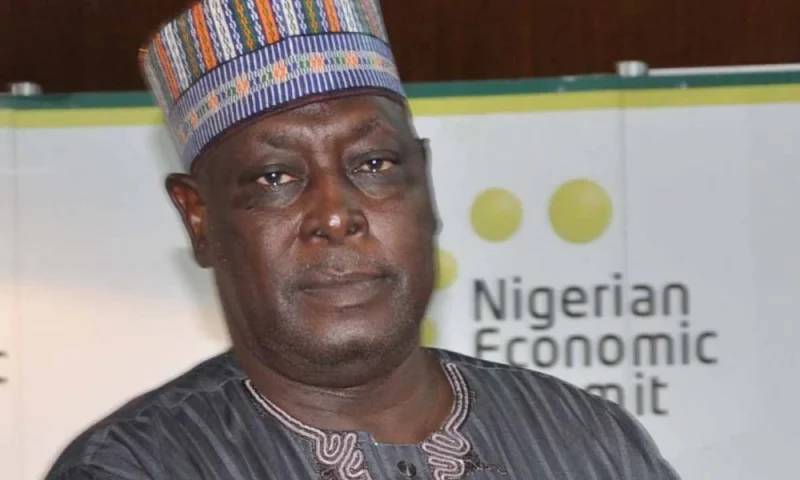
‘These people are not our candidates’ – ADC rejects APC defection claimThe African Democratic Congress (ADC) has rejected claims by the All Progressives Congress (APC) that some of its candidates from Jigawa, Plateau, Taraba and Zamfara states have defected to the ruling party.

The ADC described the people recently presented by the APC as alleged defectors as individuals who do not hold any recognised position in the opposition party.

In a statement by its National Publicity Secretary, Bolaji Abdullahi, the ADC said the APC had wrongly attached the party’s name and identities to people who were neither its candidates nor leaders.

“These people are not our candidates,” the party said.

“The APC should tell Nigerians which ADC positions these individuals held, the constituencies they represented and when they occupied those positions,” the ADC challenged.

The party also criticised the manner in which the APC announced the alleged defections, saying the ruling party could receive anyone at its secretariat but should not present such individuals to Nigerians as ADC candidates without evidence.

“The APC cannot assemble random individuals at its secretariat, confer imaginary ADC credentials on them and then announce their defection,” Abdullahi said.

The ADC further dismissed the APC’s explanation that the alleged defectors were attracted by what it described as the administration’s transformation of Northern Nigeria.

It questioned the claim against the backdrop of rising food prices, insecurity and increasing pressure on household incomes.

The party said Nigerians were more interested in seeing concrete improvements in their living conditions than political events and photographs of alleged defectors.

“Nigerians are asking for evidence of better lives; the APC is manufacturing photographs and congratulating itself,” the ADC said.

The opposition party maintained that political claims should be supported by verifiable records.

It insisted that the APC should provide evidence to show that the people it presented were actually ADC candidates or officials before claiming they had defected.

2027: I dragged Peter Obi, convinced Kwankwaso to join ADC – Babachir Lawal

2027: I dragged Peter Obi, convinced Kwankwaso to join ADC – Babachir LawalFormer Secretary to the Government of the Federation, SGF, Babachir Lawal, says he dragged former Anambra State governor, Peter Obi into the African Democratic Congress, ADC.

Speaking during an interview on Arise Television’s Prime Time on Monday, Lawal stated that he also convinced former Kano State governor, Rabi’u Kwankwaso to join the ADC.

He noted that he was among the founding fathers of the ADC coalition on July 2, 2025, which produced former Senate President David Mark as national chairman.

The former SGF said, “I attended every meeting of the ADC, and at one time, Peter Obi was playing in and out. I was the one who finally dragged Peter into the ADC and committed him to joining the ADC.”

“We also convinced Kwankwaso to join the ADC, but he was always afraid that with Atiku Abubakar there, nothing good would ever come out of the ADC,” he said.

Recall that the Adamawa-born politician, who was a strong ally of Atiku, dumped the ADC after the party’s primary election.

He alleged that the primary election that produced Atiku as the ADC’s presidential candidate was massively rigged.

DAILY POST reports that Lawal last week joined the Nigeria Democratic Congress, NDC, to support Peter Obi and Rabi’u Kwankwaso, the presidential and vice-presidential candidates, respectively.

World Heart Day: NOA urges Osun residents to prioritise heart health

World Heart Day: NOA urges Osun residents to prioritise heart healthThe National Orientation Agency, NOA, Osun State Directorate, has urged Nigerians to prioritise heart health and adopt healthier lifestyles to reduce the risk of cardiovascular diseases.

The agency made the call in a statement by its spokesperson, Bunmi Olaseinde, on behalf of the State Director, Adebiyi Adefarasin Stephen on Tuesday, as the world marked World Heart Day 2026, with a focus on raising awareness about heart disease and stroke.

The theme of the 2026 edition is “Don’t Miss a Beat.”

Adefarasin, in the statement, said greater awareness and preventive measures were essential to reducing the burden of cardiovascular diseases among Nigerians.

“High blood pressure, diabetes, obesity, tobacco use, unhealthy diets, physical inactivity and excessive alcohol consumption are major risk factors for cardiovascular diseases,” he said.

Adefarasin urged citizens to regularly check their blood pressure, blood sugar and cholesterol levels, saying early detection could help people take appropriate steps to protect their health.

He also advised Nigerians to reduce their consumption of salt, sugar and fried foods while eating more fruits, vegetables and whole grains.

The NOA director encouraged citizens to exercise regularly, avoid tobacco, limit alcohol consumption, manage stress and ensure adequate rest as part of efforts to maintain a healthy heart.

He warned Nigerians against ignoring symptoms, including chest pain, difficulty breathing, sudden weakness, facial drooping and speech difficulties, stressing the importance of seeking prompt medical attention.

“Know your numbers, make healthy choices, stay active and don’t ignore warning signs. Don’t miss the beat — your heart matters,” Adefarasin said.

He called on families, community leaders, schools, workplaces and health institutions to promote heart-healthy habits, noting that daily lifestyle choices could contribute to the prevention of cardiovascular diseases.

LASU denies failure to mobilise law graduates for Nigerian Law School

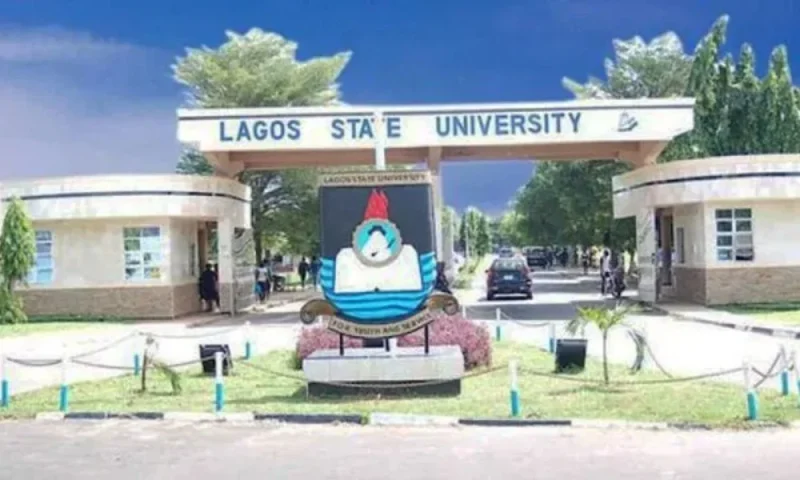
LASU denies failure to mobilise law graduates for Nigerian Law SchoolLagos State University, LASU, has dismissed claims that some of its law graduates were left out of the mobilisation process for the Nigerian Law School.

The university, in a statement shared on X, said its records showed that every graduate who had completed the required programme and met the eligibility criteria for mobilisation had been duly processed.

“The attention of the University Management has been drawn to an allegation concerning the non-mobilisation of some Law graduates to the Nigerian Law School,” LASU said.

According to the institution, records maintained by its Faculty of Law confirmed that all eligible graduates who had completed their studies had been mobilised.

“Records available at the Faculty of Law show that all students who have graduated and are eligible for mobilisation have been duly mobilised,” it stated.

LASU also said its Registry had documented evidence that the Registrar had forwarded the names of the mobilised graduates to the Nigerian Law School.

“Records at the University Registry also confirm that the University Registrar has forwarded the list of mobilised graduates to the Nigerian Law School,” the statement added.

The university urged graduates who may still have concerns about their mobilisation to visit the Office of the Registrar to verify their status and seek clarification where necessary.

“Accordingly, all concerned graduates may proceed to the Office of the Registrar to confirm their mobilisation status and obtain any necessary clarification,” LASU said.

The institution assured graduates that it remained committed to ensuring that qualified students were not subjected to unnecessary delays in progressing to the next phase of their professional training.

“The University remains committed to ensuring that eligible graduates are not unduly delayed in proceeding to the next stage of their professional training,” it stated.

Consulate demands justice over alleged attacks, deaths of Nigerians in South Africa

Consulate demands justice over alleged attacks, deaths of Nigerians in South AfricaThe Nigerian Consulate General in Johannesburg has called for justice over the deaths of three Nigerian nationals in separate incidents across South Africa between September 18 and 21, 2026.

The Consul-General, Amb. Ninikanwa Okey-Uche, urged South African authorities to investigate the circumstances surrounding the deaths and ensure that anyone found responsible is dealt with according to the law.

The first case involved Kenechukwu Christopher Igwemmadu, who died on September 18 after allegedly jumping from a building at Kenlin Court on Douglas Street, Bloemfontein.

According to the Consulate, Igwemmadu was trying to escape alleged police harassment and brutality when he fell from the building.

Two days later, Olaniyi Olaleye Olatunde, a Nigerian security guard, was allegedly shot at Spanata Bar and Grills Night Club in Mamelodi East, Pretoria, following an argument over a cup belonging to the club.

The Consulate said Olatunde sustained a gunshot wound and was taken to Mamelodi Hospital, where he died on September 21.

“The alleged shooter later returned to the club, where he threatened witnesses before leaving the scene,” the Consulate said.

The third case involved Christian Hillary Nnaemeka, who died on September 21 following an alleged encounter with South African politician and investigative content creator, Xolani Khumalo, and members of his Sizok’thola team in Primrose, Ekurhuleni.

The Consulate alleged that Nnaemeka was assaulted during the encounter before attempting to escape. It said he later collapsed from his injuries and exhaustion and was pronounced dead after being taken to hospital.

The allegations have not been established in court, and the Consulate is calling for the circumstances of the deaths to be properly investigated.

Okey-Uche also recalled the February 9 death of another Nigerian, Emeka Clement Uzor, who the Consulate said was shot during an encounter involving Khumalo’s reality television crew in Windsor East, Randburg.

“No arrests have been made in connection with the case,” the Consulate said.

Okey-Uche said the latest incidents had raised fresh concerns over the safety and treatment of Nigerians and other African nationals in South Africa.

“Nigerian and all lives matter,” the Consul-General said.

The Consulate stressed that the allegations should be handled through due process and that suspects must be presumed innocent until proven guilty in court.

“We urge Nigerians in South Africa to remain calm, law-abiding and security-conscious as we continue to work for their welfare and fair treatment,” the Consulate said.

It also called on the relevant authorities to establish the facts in each case and ensure that anyone found to have violated the law faces justice.”

NYSC Osun dismisses corps member disappearance report

NYSC Osun dismisses corps member disappearance reportThe National Youth Service Corps, NYSC, Osun State, has clarified a report concerning the alleged disappearance of a corps member, Adewebi Opeoluwa, serving at St. James Grammar School, Ayetoro, Olorunda Local Government Area of the state.

The NYSC said the corps member, identified with registration number OS/26A/5230, was neither missing nor kidnapped, contrary to reports that had circulated online.

The clarification was contained in a statement signed by the NYSC Osun State Public Relations Officer, Otemuyiwa Catherine, on behalf of the State Coordinator, Ekeng Ita Kubiangha.

According to the statement, “Adewebi had confirmed that she was safe and accounted for. The initial alarm arose after her mother was unable to reach her for some days.”

The NYSC explained that the inability of the corps member’s mother to establish contact with her prompted concerns, which subsequently resulted in a missing-person report.

In its clarification, the NYSC Osun State Command appreciated individuals who expressed concern and made efforts to establish the corps member’s whereabouts, adding that the matter had now been duly clarified and there was no cause for alarm.

The concerns were later amplified online, including in a report published by an online media outlet on Thursday, which stated that Adewebi had allegedly been missing since September 20.

However, Adewebi, in a public notice and retraction dated Monday, September 28, 2026, said the report did not accurately reflect what had happened.

She stated, “I wish to state categorically that I was not missing, neither was I kidnapped.”

The corps member explained that her mother’s inability to reach her for some days had led to the alarm, which was subsequently amplified through the media.

She stated, “I wish to state that I am safe, accounted for and not in any danger.”

Adewebi also acknowledged that the initial report was made in good faith because of her mother’s concern over her inability to establish contact with her.

“The initial report was made in good faith by the media outlet to appease my mother, who was so scared after not hearing from me,” she said.

The corps member apologised for the concern and confusion caused by the report, particularly to the NYSC community, her State Coordinator, Place of Primary Assignment, friends and colleagues.

She said, “I sincerely apologise for any alarm, distress or confusion the post may have caused the entire NYSC community in Osun State at large.”

Oil exports lift Nigeria’s external earnings in Q2

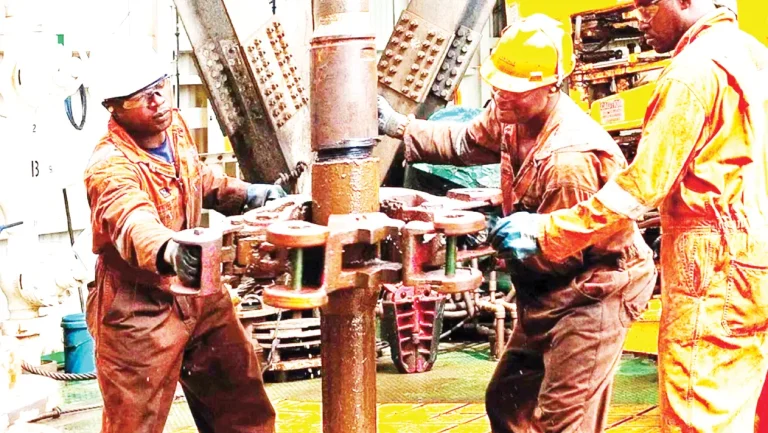
Oil exports lift Nigeria’s external earnings in Q2Export earnings rose to $20.08bn in Q2 2026 from $15.56bn in the first quarter. Crude oil exports increased by 15.78 per cent to $9.39bn, while gas exports climbed by 40.15 per cent to $3.63bn.

The increase in export earnings was reflected in Nigeria’s current account position. Provisional balance of payments statistics released by the Central Bank of Nigeria showed that the current account surplus rose by 67.93 per cent to $7.54bn in Q2 2026 from US$4.49bn in Q1 and US$5.17bn in the corresponding period of 2025.

“Provisional balance of payments statistics for Q2 2026 show a current account surplus of $7.54bn, which was higher than the $4.49bn and $5.17bn recorded in the preceding quarter (Q1 2026) and corresponding period of 2025, respectively,” the CBN said.

The improvement in external earnings came alongside stronger performance across several export categories. Refined petroleum product exports increased by 66.24 per cent to $3.94bn during the quarter, while non-oil exports rose by 25.30 per cent to $3.12bn.

At the same time, crude oil imports declined from $1.39bn in Q1 2026 to $0.58bn in Q2.

The developments have renewed attention to the factors supporting Nigeria’s oil production and the security of petroleum infrastructure, particularly in the Niger Delta.

Among the stakeholders linked to the improvement is Tantita Security Services Nigeria Limited, which was appointed by the Federal Government to protect oil pipelines and other critical assets in the region.

Led by High Chief Government Ekpemupolo, alias Tompolo, TSSNL has worked with other security outfits on pipeline surveillance and the protection of oil infrastructure.

Stakeholders said the operations have contributed to improved security around oil assets, supported the flow of petroleum resources and helped reduce losses associated with oil theft.

The security of pipelines has become increasingly important as Nigeria seeks to raise crude production, meet export commitments and provide feedstock for domestic refineries.

President General, Niger Delta Progressive Alliance, Nse Udoh, said pipeline protection has helped national institutions move from reactive crisis management towards longer-term planning.

“It is important to clarify the role of pipeline surveillance within the wider energy landscape. Energy security encompasses the full value chain, from exploration and production to refining, distribution, pricing policy, and subsidy frameworks. Pipeline surveillance does not manage these domains,” he said.

He added: “Its mandate is precise: safeguarding critical infrastructure that transports petroleum resources. Yet this single function has proven foundational. Without secure transportation channels, production targets falter, refining plans collapse, exports decline, and fiscal projections become unreliable.”

See more Punch stories on Google.

Continuing, he wrote: “Asset protection, in this context, is not a supporting activity. It is a precondition for economic order. In effect, the pipeline is the hinge on which the entire petroleum value chain turns. When that hinge is weak, every other link in the chain carries strain. When it is secure, the entire system gains coherence.”

Udoh said sustained monitoring and rapid response have reduced pipeline breaches and illegal tapping, while improved accounting for production has supported higher output.

This, according to him, has also helped restore Nigeria’s position in international oil markets and allowed the country to reclaim market share lost to Angola and Libya.

“Economic stability follows predictability. When crude flows are secure, refineries can plan feedstock intake with assurance. Export commitments can be met without fear of sudden shortfalls. Gas-to-power projects can operate without recurrent shutdown risks.”

“Investors can assess Nigeria’s petroleum sector with clearer risk profiles. Surveillance therefore does more than stop theft. It reintroduces reliability into national energy planning. And reliability is the bedrock upon which sustainable economic growth is built.

“With predictable flows, national budgeting becomes more credible, infrastructure planning becomes more precise, and long-term contracts become easier to negotiate. Predictability is the silent currency of modern economies, and pipeline surveillance has begun restoring it,” he stated.

The implications extend to public finance, as higher accounted-for production can translate into increased export revenues, foreign exchange inflows, and fiscal capacity.

Investment and production

Beyond pipeline security, investment in existing and new oil assets remains important to sustaining production growth.

Chairman/Chief Executive Officer of Brittania-U, Catherine Ifejika, highlighted the need for additional investment in mature assets, citing the company’s Ajapa field.

She said more than $400m was invested after Brittania-U acquired the asset from Chevron, including the drilling of additional wells and deployment of a Floating Production, Storage and Offloading facility.

According to her, the investment enabled Ajapa to commence production at about 2,300 barrels per day in 2010, followed by increased and more stable output.

The Nigerian Upstream Petroleum Regulatory Commission has also said new incentives for offshore oil and gas projects could attract $50bn in new investment into Nigeria’s offshore energy sector.

However, the sector continues to face a shortage of skilled personnel required to take advantage of new offshore opportunities. It said annual investment in Nigeria’s oil and gas industry had fallen to about $2bn from $26bn in 2014.

Nigeria has nevertheless recorded growth in crude and condensate production. Total oil output rose from 1.48 million barrels per day in February to 1.735 million barrels per day in June, according to the NUPRC.

“Today we are attracting new investments, and so we want to see an upward trajectory. It stands to reason that you must go back to the basics. First of all, we need the right competencies in sub-surface,” NUPRC’s Chief Executive, Oritsemeyiwa Eyesan, recently stated.

The investment drive has also extended to the 2025 oil and gas licensing round. The NUPRC warned 31 companies that emerged winners of 37 oil and gas blocks to pay their signature bonuses within the stipulated period or risk losing their provisional awards.

The commission said compliance with the payment of signature bonuses had commenced following the issuance of provisional awards to the successful bidders.

“Exactly a month ago, the NUPRC hosted the 2025 commercial bid conference in Abuja where 31 companies emerged winners of 37 oil and gas blocks. Having issued the winners with the provisional awards, compliance with the payment of signature bonuses has already begun.

“Winners who fail to pay signature bonuses within the stipulated time frame in line with the Petroleum Industry Act will forfeit their bid guarantee and lose their provisional awards to the reserve bidders,” the NUPRC stated.

Under the Petroleum Industry Act and applicable licensing guidelines, successful bidders are required to pay signature bonuses ranging from $3m to $7m per block.

They are also expected to provide the required guarantees, pay first-year rents and satisfy other post-award conditions within the prescribed period. Failure to meet the requirements will result in the automatic transfer of the affected award to the next-ranked reserve bidder, according to the NUPRC.

Deepwater investment

Nigeria’s efforts to revive investment in deepwater oilfields have also gained momentum, with the Nigerian National Petroleum Company Limited and its partners signing agreements expected to move the proposed Bonga Southwest/Aparo project closer to a Final Investment Decision.

The project, located in Oil Mining Lease 118, is expected to attract up to $21bn in investment. It has a projected peak production of about 175,000 barrels of oil per day and 140 million standard cubic feet of gas per day.

NNPC Ltd and the OML 118 Contractor Parties, Shell Nigeria Exploration and Production Company Limited, Esso Exploration and Production Nigeria (Deepwater) Limited and Nigerian Agip Exploration Limited, executed an Addendum to the OML 118 Production Sharing Contract and an Addendum to the Dispute Settlement Agreement.

President Bola Tinubu also approved the Deep Offshore Oil and Gas Projects Incentives (Tax Remission) Order, 2026, aimed at improving the competitiveness of Nigeria’s deepwater fiscal regime and attracting fresh investments.

The project partners also announced the completion of the project’s Pre-Front End Engineering Design phase, moving the proposed development towards the more detailed Front End Engineering Design stage.

The completion of the Pre-FEED work helped to mature the technical and commercial scope of the project and position it for further engineering activities, subject to approvals and other governance requirements.

Sustaining production

For industry experts, sustaining Nigeria’s production growth will require a combination of exploration, field development, enhanced recovery from existing assets, improved security, infrastructure upgrades and faster regulatory approvals.

They noted that exploration must be accompanied by aggressive field development, enhanced recovery from mature assets, improved security, infrastructure upgrades, and faster regulatory approvals.

According to them, Nigeria already possesses substantial proven reserves, and the greater challenge is converting those reserves into sustained production rather than simply discovering additional hydrocarbons.

They pointed out that unless these structural constraints are addressed, increased exploration spending alone is unlikely to deliver the higher crude oil output needed to boost government revenue, improve foreign exchange earnings and strengthen Nigeria’s position in the global oil market.

The experts stated that efforts should also be intensified to complete some planned oil and gas projects, including Bonga North, Southwest/Aparo, Zabazaba, and Etan, in order to enhance Nigeria’s oil output.

Airlines threaten nationwide shutdown over union disruptions

Airline Operators of NigeriaDomestic airlines under the Airline Operators of Nigeria have threatened to shut down operations nationwide if unions again disrupt the operations of any member airline, following the picketing of Air Peace flights in Lagos and Abuja on August 11, 2026.


The warning was contained in a communiqué issued after the AON General Meeting in Abuja and made available to journalists on Monday, where airline operators condemned what they described as “violent disruptive action” by aviation unions and other groups.

The association said the August 11 action brought operations at the Murtala Muhammed Airport Terminals 1 and 2 in Lagos and the Nnamdi Azikiwe International Airport, Abuja, “to a screeching halt”, after union members allegedly blocked access to Air Peace departure terminals, check-in counters, offices and workstations.

The union and the airlines have been at loggerheads over the refusal of airlines to pay statutory funds to government agencies, a development the unions say is capable of threatening safety.

The union also accused the airlines of stopping workers from unionising, which the workers also described as unacceptable to them. According to the AON, the disruption was more than an industrial dispute because it affected passengers, airline workers and airport security.

The association further said there were “recorded cases” of violence against airline staff, with some workers allegedly sustaining bodily injuries while attempting to perform their duties.

For passengers, the consequences were immediate. Flights were cancelled or disrupted, travellers were stranded, and airlines were forced to rebook passengers, arrange accommodation and issue refunds.

The AON said Air Peace alone had more than 70 flights affected, with estimated losses exceeding N2bn. More than 30 United Nigeria Airlines flights were also affected, impacting about 13,000 passengers.

See more Punch stories on Google.Add Punch on Google

The association said airlines incurred additional costs from repositioning crew, rescheduling aircraft and incurring other recovery costs at a time when operators were already grappling with high aviation fuel prices and foreign-exchange-linked maintenance expenses.

However, the AON said its members had reached a collective position that any repeat of the incident would trigger an industry-wide shutdown.

“To this end, therefore, the AON would like to state in unequivocal terms that should the events of August 11, 2026, repeat themselves again against any domestic airline, the entire AON member airlines will immediately shut down operations,” the communiqué stated.

The association also described the incident as a serious security concern, arguing that the ease with which access to airline terminals was blocked exposed weaknesses in airport security arrangements.

It cited the International Civil Aviation Organization’s Annex 17 definition of unlawful interference and said the August incident had “serious immediate and future local and global implications for the aviation sector in Nigeria.”

Also speaking on reasons for disruptions and cancellations, the airlines said delays were “never in the interest of any airline; carriers suffer both financial and reputational consequences when passengers are kept waiting, or flights are cancelled.”

The operators blamed a combination of factors, including “bad weather, congested aircraft parking areas at Lagos and Abuja airports, limited operating hours at some secondary airports, VIP movements, bird strikes, foreign object damage, fuel shortages, inefficient air traffic flow and inadequate airport infrastructure.”

Jet A1 fuel, the association said, now costs above N2,500 per litre, while supply, according to them, remains unreliable at some secondary airports.

While welcoming the ongoing reconstruction of the Murtala Muhammed International Airport in Lagos, the AON also urged authorities to involve airlines early in the design process, arguing that operators should help identify potential flaws affecting passenger and aircraft movement.

An industry expert, Samuel Caulcrick, backed the airlines in the ongoing dispute, expressing concern over what he described as the disruptive role of unionism in the aviation sector.

He cited the dispute involving Bi-Courtney Aviation Services Limited, noting that the company had obtained a Federal High Court order restraining unions from disrupting operations at the Murtala Muhammed Airport Terminal Two, but the unions allegedly proceeded to block entrances and halt activities at the terminal despite the order.

He argued that while workers’ rights and freedom of association remain important in a democratic society, industrial actions should not be allowed to undermine business operations. The expert said the experience had raised difficult questions about balancing union activities with the protection of businesses and their operations.

He said, “Unionism is the bone stuck in democracy’s throat, too dangerous to swallow, too difficult to spit out. Take Bi-Courtney Aviation Services Limited. It secured a Federal High Court order restraining unions from disrupting Murtala Muhammed Airport Terminal Two, warning that any invasion would amount to trespass.

“The unions defied it anyway. They blocked entrances, shut down operations, and crippled the terminal, court order and all. China understood this dilemma and banned independent unionism outright; the state claims to represent workers. In a democracy, however, unions can disrupt businesses with reckless abandon and hide behind freedom of association.

“I once joked to their leaders, and they are my friends, that if I had a gun, I would shoot them all. Not because I oppose workers’ rights, but because I cannot support disruption as a business model

FMN invests over N300m in food innovators

Flour Mills of Nigeria has invested more than N300m in 11 innovators and businesses through its FMN Prize for Innovation initiative, as the food and agro-allied group seeks to accelerate sustainable food systems in Nigeria and across Africa.
The company said the investment had provided financial, technical and strategic support to innovators developing solutions for food production and processing since the initiative began in 2021.

FMN said the initiative was established as part of its long-term strategy to strengthen food security through product and process innovation, local content development and investments across critical agricultural value chains.

The group operates across grains, sugar, cassava starch, feeds and protein, edible oil and fats, with more than 17 facilities across Nigeria.

According to the company, the FMN PFI was designed to support innovative businesses in the food and agro-allied sector and help build sustainable food systems.

“The brand’s commitment to the FMN Prize for Innovation is strategic and deliberately geared towards revolutionising and attaining food sustainability in Nigeria, and eventually across Africa,” the company said.

The first edition, launched in December 2021 under the theme, ‘Enabling Sustainable Food Systems,’ focused on reducing losses and waste in food production and improving agricultural value chains.

The inaugural winners included Urban Akwu Agro-allied Limited and Eupepsia Place Limited, which specialises in soilless farming through hydroponics.

The second edition shifted attention to local content development, challenging participants to develop solutions that could reduce reliance on imported raw materials and strengthen domestic production capacity.

Osomobegbe Global Ventures Limited, which developed solar dryers, won the top prize, while Palmark Syndicate Limited, a tomato powder producer, and Indigo Farms and BioResources, which developed cassava residue pellets for animal feeds, emerged as first and second runners-up, respectively.

FMN said innovations submitted across the first two editions included solar-powered storage systems, hydroponic farming, bio-recycling plants and technologies for generating electricity from food waste.

The third edition focused on precision agriculture and food self-sufficiency, with D-Olivette, a waste-to-biogas conversion company, emerging as the winner.

Green Eden Farms and Farmspace Action Lab, which focus on precision greenhouse farming and soil testing, respectively, emerged as first and second runners-up.

The fourth edition, which focused on innovative livestock farming practices, attracted about 2,000 entries.

Levitate Aquaria & Breeder Farms won the top prize. Vet Konect, a digital animal health company, and Bionet Innovations, which converts food waste and livestock droppings into high-protein animal nutrition, placed second and third, respectively.

The fifth edition focused on cassava production and processing and attracted more than 2,700 entries.

Kiyoko Foods Limited, founded by Victoria Ogwanighie, emerged as the winner with its innovation for converting cassava into nutrient-rich cheese balls.

PNeedles Limited, which converts cassava peels into plant-based leather, emerged as first runner-up, while Bach and Moen Limited, which developed cassava processing hubs for smallholder farmers, placed third.

FMN said the fifth edition also marked the emergence of the first female winner in the prize’s five-year history. The company said its chairman, John Coumantaros, and the special guest of honour doubled the prize money for the top three finalists to N10m, N6m and N4m, respectively.

The company said the beneficiaries had recorded significant business growth following the prize money, mentorship and other strategic support.

“From data and information garnered through the mentorship sessions and other strategic support provided to the winners, FMN discovered that all beneficiaries’ businesses have experienced remarkable growth, with their operations expanding by over 50 per cent since receiving the prize money and resources from FMN,” the company said.

FMN said it would continue to use innovation, local content development and strategic investment to support food self-sufficiency and sustainable food systems in Nigeria, with the long-term goal of extending the impact across Africa.

Ardova-led consortium to acquire Powergas

Ardova-led consortium to acquire PowergasA consortium led by Ardova Plc and including Diadem Energy has agreed to acquire Powergas Global Investments Nigeria Limited and Powergas Ebedei Limited, collectively known as Powergas, in a transaction expected to close by the end of 2026.

The deal, announced on Friday by A.P. Moller Capital, will see the Danish investor exit its stake in one of Africa’s largest compressed natural gas producers and virtual pipeline distributors.

Powergas, founded in 2013 by the Clean Energy Group, pioneered the “virtual pipeline” model—compressing natural gas and transporting it by road to industrial, commercial and power customers beyond the reach of Nigeria’s fixed pipeline grid.

Its flagship Ebedei flare gas monetisation project in Delta State, developed with A.P. Moller Capital’s backing since 2019, converts otherwise flared gas into usable energy and has helped cut emissions while supplying firms that would otherwise rely on diesel generators.

The company now operates four mother stations—in Ikorodu (Lagos), Ogbele (Rivers), Ebedei (Delta) and Ore (Ondo)—and a fleet of more than 250 tube skids, having delivered over 600 million standard cubic metres of CNG as at December 2025.

For Ardova, the acquisition adds a strategic gas platform to its existing downstream portfolio of petroleum products, LPG, aviation fuel, lubricants, shipping and logistics.

The Lagos-based integrated energy company, which traces its roots to BP Nigeria in 1964, plans to deploy CNG infrastructure across its nationwide retail network, targeting 100 CNG refuelling sites within 24 months.

The expansion aligns with the federal government’s Decade of Gas initiative, launched in 2021 to transform Nigeria into a gas-powered economy by 2030, and President Bola Tinubu’s Presidential Initiative on Compressed Natural Gas and Electric Vehicles, which seeks to lower transport costs and emissions by promoting auto-gas adoption.

“Nigeria’s next era of energy development will be built on gas, and it will be built at scale. “Powergas has built the compression backbone required to take natural gas beyond the conventional pipeline grid. Ardova brings a national distribution network, deep customer relationships, and the ability to invest for the long term.

“Together, we intend to connect Nigeria’s abundant gas resources to industry, power and transportation, supporting President Bola Ahmed Tinubu’s Presidential Initiative on Compressed Natural Gas and Electric Vehicles and the federal government’s Decade of Gas programme.

“Our ambition is to deliver more affordable, lower-emission energy and lower transportation costs for Nigerians, while building a gas platform with relevance far beyond Nigeria,” explained the Executive Chairman of Ardova Plc, Dr AbdulWasiu Sowami.

The Managing Director of Ardova Plc, Dr Abiola Babatunde-Ojo, noted that the deal would enable the firm to harness the opportunities in the gas industry.

“This combination gives us the infrastructure, reach and capabilities to turn the opportunity in gas into something tangible for customers across Nigeria. Our focus now is execution: expanding compression capacity, bringing CNG into our retail network and connecting more industries and fleets to a reliable domestic energy source. We are building a platform that will serve customers at scale today and grow with Nigeria’s energy needs for decades to come,” he asserted.

“Powergas began in 2013 with the Clean Energy Group’s vision of taking gas beyond the pipeline, and A.P. Moller Capital’s partnership helped us scale it. We are deeply grateful to both. Ardova’s national reach and our compression backbone are a natural fit – together, we can expand into new markets and geographies and play a leading role in delivering Nigeria’s Auto-Gas vision. We are very excited about the next chapter,” Vice-Chairman of Powergas, Pulak Sen, added.

According to a Partner at A.P. Moller Capital, Sam Senbanjo, since 2019, PEL has progressed from concept to a fully operational compressed-natural-gas business.

“Working alongside our partners, management and employees, we supported the business through development, construction, commissioning and scale-up, helping customers access domestic gas beyond the reach of the pipeline network. We are proud of what has been achieved and believe Ardova and Diadem are well placed to support Powergas in its next phase of growth,” he stated.

“Having worked closely with Powergas as its virtual-pipeline logistics partner, we have seen first-hand the transformative potential of taking natural gas beyond the conventional pipeline network. For Diadem Group, this is the continuation of a journey that began on the ground with Powergas, and a real opportunity to contribute to Nigeria’s energy future,” Chairman of Diadem Group, the parent company of Diadem Energy, George Eluwa, highlighted.

The enlarged platform is expected to position Ardova as a leading domestic gas infrastructure and monetisation partner for upstream producers, with plans to expand compression capacity across viable gas-producing corridors and extend the business into wider West African markets over time.

The deal’s completion is subject to customary closing conditions, including regulatory and third-party approvals.