
Sterling Bank charts roadmap for N15tn logistics market
 Sterling Bank has launched a strategic blueprint to overhaul Nigeria’s transport and logistics architecture, a sector expert now valued at a staggering N15tn in potential economic impact.
The inaugural Nigeria Transport and Logistics Summit 2026, held under the theme ‘Funding the Engine of Growth’, served as the staging ground for a blunt assessment of Nigeria’s current infrastructure. While the logistics sub-sector currently contributes approximately N1tn to the national gross domestic product, the summit highlighted a massive N14tn gap that remains untapped due to inefficiency and underinvestment.
Addressing the assembly of regulators and investors, Sterling Bank’s Managing Director and Chief Executive Officer, Abubakar Suleiman, represented by the Sterling One Foundation Chief Executive Officer, Olapeju Ibekwe, delivered a clear mandate for the industry.
“We must move beyond diagnosing the problem to building integrated, modern logistics systems that can power productivity at scale. This means fixing our ports, strengthening logistics corridors, improving road and rail connectivity, and embedding efficiency across the value chain,” he said.
Suleiman’s address underscored that Nigeria’s global standing is now tethered to its ability to move goods faster and more affordably. “Nigeria’s competitiveness, both regionally and globally, will increasingly depend on how effectively we move goods, people, and services. The time for incremental change has passed; what is required now is bold, coordinated execution across public and private sectors,” he said.
The summit shifted from policy theory to financial reality as Sterling Bank’s Divisional Head of Renewable Energy, Mobility, and Tourism, Mr Darlington Nwankwo, pointed out that while the sector’s direct gross domestic product contribution sits under four per cent, its role as an enabler for agriculture and manufacturing is far more profound.
“We must be deliberate about fixing the logistics backbone of the economy if we are to unlock the growth we need. Nigeria’s trade competitiveness is directly linked to the efficiency of its logistics corridors, from ports to inland distribution networks,” Nwankwo noted.
He emphasised that the bank’s strategy goes beyond traditional lending, focusing instead on de-risking the entire ecosystem. “At Sterling, we see our role as connecting capital to execution, designing financing solutions that do not just fund infrastructure but unlock entire value chains. The opportunity before us is not just to fix what is broken but to build a logistics ecosystem that is faster, more efficient, and globally competitive,” he added.
Government representatives at the event echoed the urgency for a transition from dialogue to delivery. The Lagos State Commissioner for Transportation, Mr Oluwaseun Osiyemi, described the summit as a vital platform but challenged stakeholders to maintain momentum.
“I urge policymakers to move swiftly from planning to implementation, call on investors to support infrastructure and innovation, and encourage industry leaders to champion efficiency, sustainability, and accountability,” Osiyemi added.
However, the path forward is not without hurdles. Delivering the keynote address, Professor Biodun Adedipe reminded the audience that 90 per cent of Nigeria’s logistics currently rely on road transport, a lopsided dependence that causes chronic congestion and high maintenance costs.
“Economic transformation requires patience, with meaningful results unlikely to materialise in under 18 months,” Adedipe cautioned.
As the summit concluded, the consensus was clear: with the right mix of multimodal connectivity – integrating rail, road, and air – and the adoption of cleaner energy solutions, Nigeria is positioned to turn its logistics backbone into a global powerhouse.


 Telecommunications operators in Nigeria will now be required to compensate subscribers with airtime credits for service disruptions under a new consumer protection framework introduced by the Nigerian Communications Commission.
 The United States reduced its purchase of Nigerian crude oil sharply in January 2026, with imports dropping by about 47.16 per cent month-on-month, according to the latest data from the U.S. Census Bureau and the U.S. Bureau of Economic Analysis.

 The Federal Government and power generation companies have disagreed over the reconciliation of debts in Nigeria’s electricity market, with both sides offering differing accounts of the actual liabilities owed to the GenCos.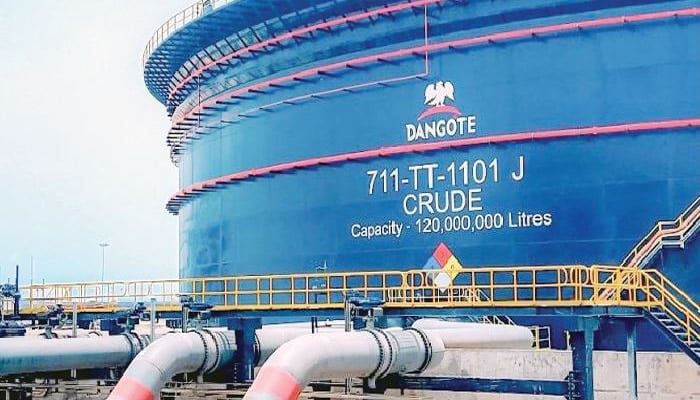
 Dangote Petroleum Refinery and Petrochemicals has clarified that it has not announced any Initial Public Offering for its listing, warning the public against relying on speculative reports circulating across media and social platforms.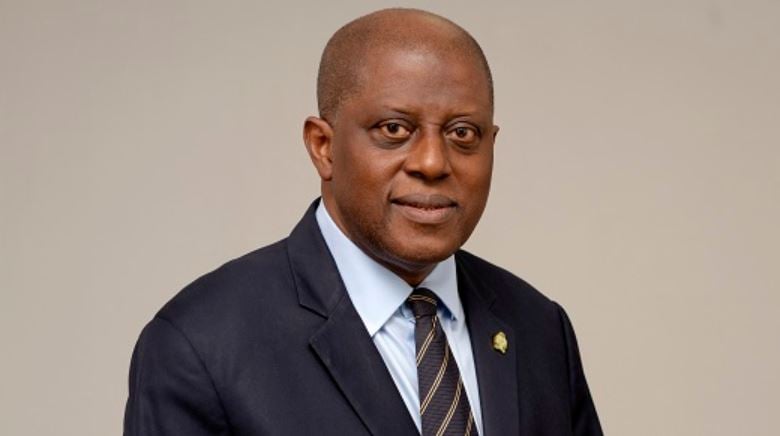
 The Central Bank of Nigeria has signalled a gradual economic reset, attributing improvements in inflation, foreign reserves, and investor confidence to its monetary and financial sector reforms.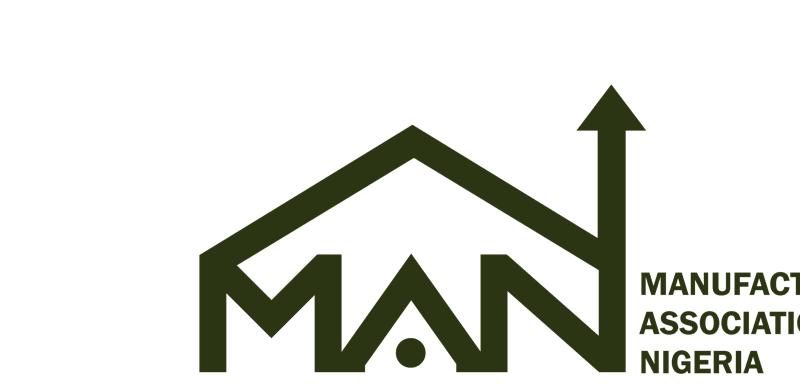
 Nigeria’s chemical and pharmaceutical manufacturers face the highest risk from the ongoing US–Israel–Iran conflict, the Manufacturers Association of Nigeria has warned, citing their heavy exposure to global oil price shocks and export dependence on the United States market.
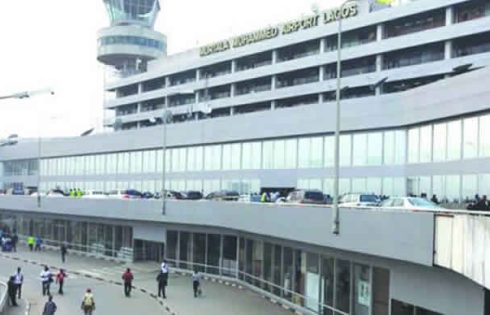 Aviation professionals and stakeholders under the umbrella of the Aviation Safety Round Table Initiative have convened a high-level policy dialogue in Lagos to deliberate on the ongoing N712bn refurbishment of the Murtala Muhammed International Airport.
 The Governor of the Central Bank of Nigeria, Olayemi Cardoso, on Thursday disclosed that 32 banks have already met the new capital requirements under the ongoing recapitalisation programme, ahead of the March 31, 2026 deadline.